


Last updated October 25, 2026
What changed
- Added the full editorial byline, with Okoaskin Dual Action Lifting Cream pricing and guarantee restated in full.
- Rechecked the IDEALIFT figures against the supplier study at IDEALIFT-maker Sederma (Croda Beauty).
The real question is not which one is better in the abstract.
It is which one makes sense for your skin, your budget, and your tolerance for discomfort and downtime.
Microneedling and a skin tightening cream are not equal in intensity, cost, or expected results. Microneedling is a procedure. It uses very small needles to create controlled micro-injuries in the skin, with the goal of triggering the skin's repair response and supporting collagen over time. A skin tightening cream works from the surface. It supports the skin topically with hydration, barrier care, and ingredients chosen to help skin recover and look firmer over time.
That difference matters.
Microneedling usually aims for more visible structural change over time, especially for texture and mild skin laxity. A cream is usually better for daily support, barrier maintenance, and milder firmness concerns. It can also be the more realistic option for people whose skin is easily irritated or not ready for procedures.
The right choice depends on four things: your skin goals, how reactive your skin is, your budget, and whether you are willing to accept downtime. The wider non-surgical facelift options range from treatments that improve skin quality to ones that replace lost volume or create a modest tightening effect.
Who this comparison is actually for
This article is for adults noticing crepey texture, mild looseness, slower recovery with age, or skin that no longer feels as resilient as it once did.
It is not for someone expecting a facelift-level result from either option.
Neither microneedling nor a cream will produce surgical lifting. What they may do is improve the way skin looks and feels: smoother texture, better hydration, less visible crepiness, and in some cases a firmer-looking surface over time.
What microneedling does and what a skin tightening cream does
Microneedling and skin tightening creams work in different ways and at different depths.
Microneedling creates controlled tiny punctures in the skin. The goal is to trigger the skin's natural repair process and encourage more collagen support over time. People usually choose it for texture changes, fine lines, acne marks, and mild firmness concerns.
A skin tightening cream works topically. In realistic terms, that means it can improve hydration, support the skin barrier, reduce that dry crepey look, and help skin feel smoother and more comfortable. Some creams mainly create temporary plumping through moisture. Others are built around longer-term recovery support.
Neither option lifts skin in the surgical sense.
They are both forms of support. They just support skin differently.
How microneedling works
Microneedling is usually done in a clinic, though at-home devices also exist.
The treatment involves passing a device with fine needles over the skin to create tiny channels. Common treatment areas include the face, neck, and sometimes the chest or backs of the hands. People often use it for uneven texture, post-acne marks, fine lines, and mild early laxity.
The idea is simple: controlled injury prompts repair.
That does not mean instant results. The visible improvement usually builds gradually over a series of sessions, with time between treatments for the skin to recover.
How a skin tightening cream works
A skin tightening cream helps in a more indirect way.
First, hydration matters. Dry skin looks more lined, more fragile, and more crepey. Ingredients like hyaluronic acid can draw moisture into the skin and hold it there, which improves how the surface looks fairly quickly.
Second, barrier repair matters. When the skin barrier is weak, skin loses moisture more easily and becomes more reactive. That makes aging skin look rougher and thinner. Aloe vera and nourishing oils help support that barrier and reduce irritation.
Microneedling vs skin tightening cream compared
If your main concern is visible texture change or mild laxity, microneedling may offer stronger improvement over time than a cream alone.
If your main concern is daily crepiness, dryness, sensitivity, or maintaining calmer more resilient skin, a cream may be the more practical starting point.
On results, microneedling usually has the edge for texture and mild early looseness. A well-formulated cream can still make skin look smoother, less dull, and less crepey with regular use, especially when dehydration and barrier damage are part of the problem.
On timeline, creams often improve hydration relatively quickly. Firmer-looking skin takes longer. Think in terms of weeks, not days. Microneedling also requires patience. Most people need multiple sessions, and the visible changes build gradually between treatments.
Choosing the best firming cream for your routine often makes more difference than the device you use. A peptide-led option like the Okoaskin Dual Action Lifting Cream is the daily step that keeps working between sessions, or on its own if you are not ready for a device.
On downtime and comfort, the gap is bigger. Microneedling can involve redness, tenderness, tightness, and temporary sensitivity after treatment. Some people tolerate that well. Others do not. A cream is much lower disruption if the formula is well tolerated and patch tested first.
On cost and commitment, microneedling usually means a higher upfront spend, repeat appointments, and travel time if done professionally. Cream is lower barrier to start, but it only makes sense if you will use it consistently.
Which is better for mild vs more noticeable skin laxity
For early signs of thinning skin or mild crepey texture, a skin tightening cream may be enough to make the skin look and feel better.
That is especially true when dehydration, irritation, or barrier weakness are making the problem look worse than it is.
Microneedling is more often considered when texture changes and mild to moderate laxity are more established, but not severe. It is still not a treatment for major sagging. It is best understood as a step up from topical care, not an alternative to surgery or more advanced procedures.
Which is better for sensitive or reactive skin
Reactive skin often struggles with procedures.
That includes not just the treatment itself, but the products used before and after it. Redness, stinging, and flare-ups are more likely when the skin barrier is already compromised.
For that reason, patch-tested topical support is often the better starting point for sensitive skin. A gentle cream with barrier support and calming ingredients can help stabilize the skin before you even consider a procedure.
If your skin reacts to everything, starting with recovery support is usually the safer path.
What each option cannot do
No cream can replicate the depth of an in-office procedure.
Microneedling, on the other hand, does not produce surgical tightening.
That is the comparison in one sentence.
If you have severe skin laxity, deep folds, or significant volume loss, neither option is likely to give you the level of change you want. That is a different conversation with a qualified professional.
The timeline also matters. Firmer-looking skin takes time. Judging a cream after three days or microneedling after one week usually tells you very little. Skin repair is gradual.
It is better to think in terms of improvement and support than dramatic transformation.
That mindset will save you money and disappointment.
Common mistakes that lead to disappointment
One common mistake is over-treating with microneedling.
More is not better. Aggressive treatment or poor technique can leave skin irritated for longer than expected.
Another is using harsh active products too soon after treatment. Acids, retinoids, and strong exfoliants can overwhelm skin that is already trying to recover.
On the cream side, people often switch too quickly. If a formula is designed for recovery support, you usually need several weeks of consistent use before making a fair judgment.
The last mistake is expecting one product or one procedure to undo years of skin change. Changes like crepey skin, thinning skin, and slower healing are usually long-term patterns. They respond best to steady support, not quick fixes.
How to choose between microneedling and a skin tightening cream
Start with the simplest question: do you want a procedure, or do you want daily maintenance?
If you want stronger texture-focused change and you are comfortable with some pain, downtime, and cost, microneedling may fit better.
If your skin is sensitive, your concerns are mild, or you want lower-risk daily support, a cream may be the more sensible place to start.
Your decision should come down to skin goals, pain tolerance, downtime, budget, and how reactive your skin is.
Combination use can also make sense. Some people use a gentle recovery-focused cream to support the skin barrier before and after professional treatments, if their provider approves it. That approach is often less about maximizing results and more about helping skin stay calm and recover well.
If you are looking at creams for aging or compromised skin, focus on barrier support, calming ingredients, and a texture you will actually use every day. Fragrance-free or low-irritation formulas usually make more sense for reactive skin than heavily perfumed anti-aging products.
Choose microneedling if
- You are willing to accept some downtime and temporary redness
- You want stronger improvement in texture than a cream alone is likely to give
- You are comfortable with a procedure
- You are working with a qualified provider
- Your skin concerns are mild to moderate, not severe enough to need a different category of treatment
Choose a skin tightening cream if
- Your concerns are mild
- Your skin is sensitive or reactive
- You prefer lower-risk daily care
- You want ongoing barrier and recovery support
- You are not ready for the cost or commitment of repeated procedures
- Your skin looks more crepey from dryness and thinning than from significant sagging
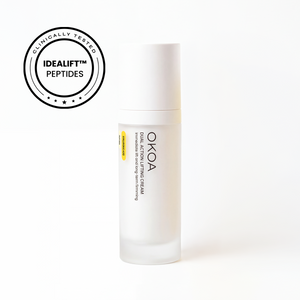 Dual Action Lifting Cream$61.90 or $44.88/moShop now
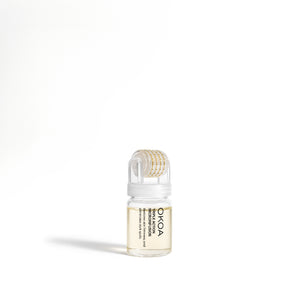 Triple Action Microinfusion$114.90Shop now
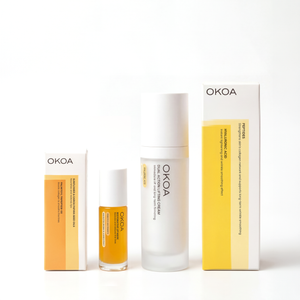 Lift & Restore set$81.90 for bothShop now
FAQ
Is microneedling better than skin tightening cream for loose skin?
Usually, microneedling has more potential for visible improvement in texture and mild loose skin than a cream alone.
But which one is better depends on the starting point, since the right way to tighten loose skin changes with how much laxity there is. If your skin is reactive, dry, or only mildly crepey, a cream may be the more practical and better-tolerated choice. For severe laxity, neither option is likely to be enough on its own.
A daily lifting cream can be a low-effort starting point before considering devices.
Can a skin tightening cream work after microneedling?
In many cases, yes, but only if your provider approves the specific product and timing.
After microneedling, the skin is more sensitive than usual. Gentle, recovery-focused support may be useful once the skin is ready for it. Avoid applying strong active products too soon after treatment unless a professional has told you to do so.
How long does it take to see results from microneedling vs a skin tightening cream?
A skin tightening cream may improve hydration and surface smoothness fairly quickly, sometimes within days.
Getting to firmer-looking skin usually takes longer. Expect weeks of consistent use before drawing conclusions.
Microneedling also takes time. Most people need multiple sessions, and visible change builds gradually between treatments. Neither option is a quick fix.
What is the Okoaskin Dual Action Lifting Cream and what is in it?
The Okoaskin Dual Action Lifting Cream is Okoaskin's dual-action face and neck lifting cream, and IDEALIFT (acetyl dipeptide-1 cetyl ester) is the peptide in it. 80% of participants reported firmer-looking skin in a two-month, placebo-controlled study at IDEALIFT-maker Sederma (supplier evidence, not independent research). The Okoaskin Dual Action Lifting Cream is $44.88 on subscription and $61.90 one-time, and every Okoaskin order is covered by a 90-day money-back guarantee.
Read more
✓ Expert Reviewed Written ByAshley MangtaniContent Writer Reviewed ByLindi GraceR&D Cosmetic Chemist Last updated October 25, 2026 What changed Added the full editorial byl...
✓ Expert Reviewed Written ByAshley MangtaniContent Writer Reviewed ByLindi GraceR&D Cosmetic Chemist Last updated October 25, 2026 What changed Updated the opening so the a...