


Last updated October 25, 2026
What changed
- Updated every price and ingredient list against the brand sites.
- Added new product photos and a quick comparison table.
- Updated the study details for the Okoaskin Dual Action Lifting Cream.
- Reviewed with our R&D cosmetic chemist for accuracy.
The best lifting cream does two jobs: it smooths the look of skin the day you put it on, and it supports firmer-looking skin over weeks of daily use. Look for a film-former or hydrator for the instant effect and a peptide or retinoid for the slower one. No cream lifts real sagging or removes excess skin, so judge any of these after 8 to 12 weeks, not overnight.
We compared six lifting creams on their actives, texture, price per ounce and who each one suits, with every price checked on the brands' sites or major retailers on October 21, 2026.
What the best lifting cream can and cannot do
The best anti-aging, lifting, and firming cream depends on the actual concern. Mild facial laxity is not the same as early neck lines. A rich face cream is not the same thing as a skin tightening cream for tummy skin after weight change. And the best skin tightening cream for body usually needs different texture, spreadability, and expectation-setting than a facial formula.
Do lifting creams actually work? Yes, within limits. The right lifting cream can improve the appearance of firmness, smoothness, and radiance, especially when dehydration, early laxity, and surface texture are part of the problem. Results are limited by the depth of the concern. Topical creams help most with mild to moderate visible changes, not significant sagging.
Instant lift vs long-term firming
This distinction matters. Some creams create an immediate surface-tightening effect, usually from film-forming ingredients such as silicates or polymers, that can make skin look a little smoother or more taut in the short term. It is cosmetic and temporary, but still valuable if you want a quick visible improvement.
Long-term firming is slower. That is where ingredients like peptides, retinoids, antioxidants, and hydrating support come in. These do not create an overnight transformation. With consistent use, they may help improve the appearance of texture, fine lines, and overall skin quality over the course of weeks.
When a cream has reached its ceiling
Topicals stop being especially helpful when the issue is deeper than the skin surface and upper skin layers can meaningfully influence. That includes moderate to severe structural sagging, excess or hanging skin, pronounced jowling, and deeper tissue laxity in the lower face or neck. At that point, skincare may still support skin quality, but it is no longer the main tool. In-office treatments work at a different level.
How to choose the best lifting cream for your skin
Before looking at products, it helps to have a framework. Most disappointing purchases happen because the cream and the goal do not match. The best skin firming creams pair a fast step that smooths the surface the day you apply it with peptides or a retinoid that support firmer-looking skin over 8 to 12 weeks.
If your skin feels dry, crepey, and dull, hydration and barrier support matter a lot. If your main concern is fine lines and gradual firmness loss, you will likely want peptides, antioxidants, and possibly a retinoid elsewhere in your routine. If your skin is reactive, tolerance matters as much as performance. Our lifting cream guide explains what this category can and cannot do.
Ingredients worth looking for
Peptides may support firmer-looking skin over time by helping encourage the processes involved in collagen and elastin support. They are usually better tolerated than retinoids, though they also tend to work more gradually.
Retinoids can improve the appearance of fine lines, texture, and uneven tone over time. They are one of the better-supported topical categories for visible aging concerns, but they are not always ideal inside the same cream if your skin is sensitive. Many people do better using a lifting cream plus a separate retinoid on alternate nights.
Antioxidants help defend against oxidative stress, which matters because environmental exposure contributes to visible aging. They support the broader routine rather than creating a dramatic tightening effect on their own.
Barrier-support ingredients support the skin barrier. That matters more than many people realize. Better tolerance often means better long-term consistency, and consistency is what makes firming products worth using.
Hyaluronic acid improves dehydration-related crepiness and can create a quicker plumping effect. It helps skin look smoother, but it does not create structural lift.
Supportive botanical extracts can add soothing, antioxidant, or conditioning support when they are used thoughtfully. They should complement the formula, not stand in for evidence-aware actives.
What to avoid in overhyped formulas. Be cautious with products that rely on vague promises rather than clear formulation logic: "instant facelift" language with no explanation, vague claims about "redefining contours" without naming actives, heavily fragranced formulas if your skin is reactive, and packaging that may not protect unstable actives well. Price alone is not a quality signal, and neither is a luxury texture.
Face vs neck vs body
The best anti-aging cream over 60 is usually not the same as the best skin tightening cream for body. Facial skin often benefits from more elegant textures, better makeup compatibility, and ingredients aimed at fine lines, radiance, and daily use. Neck skin tends to be thinner and more reactive, so gentler but still evidence-aware formulas often make more sense there. Body products usually prioritize spreadability, moisture retention, and larger-area coverage.
So if your concern is jawline softness, early neck lines, or facial crepiness, stay in the face-and-neck category. If your concern is tummy or body skin after pregnancy or weight change, choose a body-specific product and keep expectations realistic.
Which lifting cream fits which concern?
The six picks below, sorted by what each does best. Prices are list prices from the brands' sites or major retailers, checked October 21, 2026.
The best lifting creams reviewed

SkinCeuticals A.G.E. Interrupter Advanced
$185 / 48 ml · 18% Proxylane, 4.25% wild fruit flavonoids, 1% niacinamide
A rich, clinical-grade cream built around 18% Proxylane, a sugar-derived ingredient that helps skin hold water and look fuller, plus flavonoids and niacinamide. It suits mature, dry skin with visible loss of firmness and a generous budget. SkinCeuticals publishes its active percentages but not a full ingredient list on its product page, so check the carton if you avoid fragrance.
- High, published active percentages
- Rich texture for dry, mature skin
- The most expensive pick here

Okoaskin Dual Action Lifting Cream
$61.90 / 30 ml · $44.88 on subscription · $34.97 a month on the 2-month plan
Our face and neck cream does two jobs, which is what the name means. Silicate film-formers give an immediate smoother look, and IDEALIFT (acetyl dipeptide-1 cetyl ester), a peptide from Sederma (Croda Beauty), works on firmness over weeks, with hyaluronic acid, aloe vera, green tea, and jojoba and calendula oils. In Sederma's own two-month, placebo-controlled study of the peptide, over 80% of participants reported firmer-looking skin, and the jowl area measured 11% more lifted. That study is reported in Sederma's IDEALIFT technical bulletin, and the ingredient is listed on Croda Beauty's IDEALIFT page. It contains fragrance, so patch test first if your skin is reactive.
- Instant smoothing and peptide firming in one step
- Made for face and neck
- 90-day money-back guarantee, the longest here
Shop now90-day money-back guarantee

StriVectin Contour Restore Tightening & Sculpting Face Cream
$99 / 1.7 oz · elastin-targeting peptides, thyme extract, NIA-114
StriVectin's contour cream pairs peptides with its NIA-114 niacin complex and targets the jawline and cheeks. The texture is a rich cream that works well on normal to dry skin. It contains fragrance.
- Peptides plus niacin complex
- Focused on jawline and cheek contour
- Contains fragrance

ALASTIN Restorative Neck Complex
$158 / 50 ml · TriHex Technology, three peptides, niacinamide
A neck-specific, fragrance-free treatment with three peptides (palmitoyl hexapeptide-12, palmitoyl tripeptide-1, acetyl tetrapeptide-2) and niacinamide in ALASTIN's TriHex complex. It is the most targeted pick for horizontal neck lines and crepey neck texture, at a premium price.
- Three peptides plus niacinamide
- Fragrance-free
- Neck only, premium price

Medik8 Advanced Pro-Collagen+ Peptide Cream
$99 / 48 g · GF MiniProtein, NAD+ booster, carnosine
A nourishing peptide cream with a growth-factor-style mini protein, an NAD+ booster and carnosine. It lists no fragrance, though it contains lavender flower water and rosemary water, so patch test if you react to botanicals. A refill costs $95.
- Rich, comfortable texture
- Refill option
- Contains lavender and rosemary waters

ELEMIS Pro-Collagen Marine Cream
$150 / 50 ml · padina pavonica, chlorella, red algae
A light, gel-cream moisturizer built on marine algae. It is more of a smoothing, hydrating cream than a firming treatment, so it suits people who want a luxurious daily moisturizer with a plumper look. It contains fragrance. A smaller 30 ml size costs $99.
- Light gel-cream texture
- Hydration-first formula
- Contains fragrance
How to get better results from a lifting cream
Even the best lifting cream works better inside a consistent routine. A single product cannot fully compensate for chronic UV exposure, over-exfoliation, or constantly changing routines. Hydration benefits can show up fairly quickly. Visible improvements in firmness usually take longer, often several weeks of steady use.
How to apply a lifting cream correctly
Use enough product to lightly cover the area without overapplying. For most face creams, that means a small amount spread evenly over clean skin after lighter serums. A simple order looks like this:
- Cleanser
- Serum, if using one
- Lifting cream
- SPF in the morning
Extend application to the neck and upper chest if the product is suitable for those areas. Gentle upward application is fine, but it is best thought of as a helpful technique for even distribution, not a sculpting method on its own.
What to pair with it
A lifting cream often performs best when paired with a few basics rather than a crowded routine. Helpful pairings include vitamin C in the morning for antioxidant support, a retinoid on alternate nights if tolerated, a barrier-supporting moisturizer if your skin is sensitive or over-used actives have made it reactive, and daily sunscreen, which is non-negotiable if firming is the goal. UV exposure accelerates collagen loss and undermines almost every visible-aging routine. If you skip SPF, you are working against your own progress.
Common mistakes that make lifting creams seem ineffective: over-exfoliating and damaging the barrier, expecting overnight firming, switching products too quickly, skipping sunscreen, choosing based on texture alone rather than ingredient quality, and using too many actives at once and ending up irritated instead of consistent.
Who should buy a lifting cream and who should consider something else
A lifting cream is most useful when the goal matches what skincare can realistically do.
A lifting cream is worth trying if
You are likely a good candidate if you are noticing mild laxity, visible dullness, dehydration-related fine lines, crepey texture, or early neck lines, and you prefer non-invasive at-home care with an interest in gradual improvement rather than dramatic change.
Consider other options if
A lifting cream may not be the best next step if you have significant sagging or excess skin, if your concern is mostly body-only and would be better served by the best skin tightening cream for body category, if your skin is highly reactive and needs a simpler barrier-first routine, if your main goal is stronger wrinkle and texture correction where a retinoid-first approach may make more sense, if your concern is primarily neck-specific and a dedicated neck product may fit better, or if you are looking for major lifting that is usually addressed more effectively with in-office options. Pairing in-office care with the best firming cream for daily use helps maintain results between sessions.
Final recommendation framework: For a premium clinical option, SkinCeuticals A.G.E. Interrupter Advanced is strong. For neck lines and texture, Alastin Restorative Neck Complex is the more targeted option. For dry, dehydrated skin, Medik8 Advanced Pro-Collagen+ Peptide Cream stands out. For a daily face and neck cream that combines an immediate smoother look with firming support that builds, the Okoaskin Dual Action Lifting Cream is our pick, with a 90-day money-back guarantee. The best lifting cream is not the one with the boldest claims. It is the one that matches your skin, your tolerance, and the level of change skincare can realistically deliver.
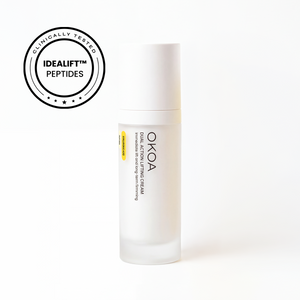 Dual Action Lifting Cream$61.90 or $44.88/moShop now
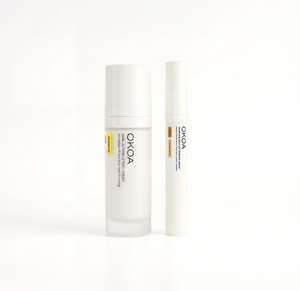 The Double Lift set$79.90 for bothShop now
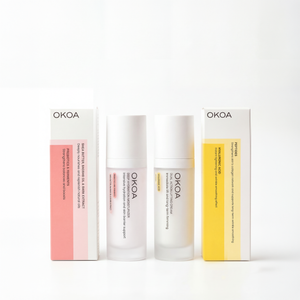 Hydrate & Lift set$81.90 for bothShop now
Frequently asked questions
Do lifting creams actually work for sagging skin?
They can help with mild to moderate visible laxity by improving the appearance of firmness, smoothness, and hydration. They do not meaningfully correct significant structural sagging or excess skin. The Okoaskin Dual Action Lifting Cream pairs silicate film-formers for an immediate smoother look with IDEALIFT (acetyl dipeptide-1 cetyl ester), a peptide that works on firmness over weeks.
What ingredients should I look for in the best lifting and firming face cream?
Look for peptides, a retinoid elsewhere in the routine if tolerated, antioxidants, barrier-support ingredients, and hydrating ingredients like hyaluronic acid. These support firmness, texture, barrier function, and smoother-looking skin. Peptides are usually better tolerated than retinoids and tend to work more gradually.
Can a lifting cream replace retinol or in-office treatments?
No. A lifting cream can complement a routine, but it does not replace retinoids for stronger topical wrinkle support, and it does not replace in-office treatments for deeper structural sagging. Many people do best using a lifting cream plus a separate retinoid on alternate nights.
What is the best skin tightening cream for face over 50?
That depends on whether the main issue is dryness, crepey texture, fine lines, or visible firmness loss. For richer mature-skin support, SkinCeuticals is a strong premium option. For daily face and neck use with an immediate smoother look plus firming that builds, the Okoaskin Dual Action Lifting Cream is our pick. For neck-focused aging, Alastin is more targeted.
How long does it take to see results from a lifting cream?
Hydration and surface smoothing can show up quickly, sometimes within days. Visible improvement in firmness usually takes several weeks of consistent use. Peptide-based changes are gradual, not overnight.
Can I use a lifting cream on my neck and chest?
Often yes, but check the product directions and your skin tolerance. The neck is usually more sensitive than the face, so start gently, especially if the formula includes stronger actives. Daily sunscreen on the neck and chest is essential if firming is the goal.
Read more
✓ Expert Reviewed Written ByAshley MangtaniContent Writer Reviewed ByLindi GraceR&D Cosmetic Chemist Last updated October 25, 2026 What changed Added the full editorial b...
✓ Expert Reviewed Written ByAshley MangtaniContent Writer Reviewed ByLindi GraceR&D Cosmetic Chemist Last updated October 25, 2026 What changed Added the IDEALIFT (acetyl dipe...