


Last updated October 25, 2026
What changed
- Added the full editorial byline, with Okoaskin Dual Action Lifting Cream pricing and guarantee restated in full.
- Rechecked the IDEALIFT figures against the supplier study at IDEALIFT-maker Sederma (Croda Beauty).
What a skin firming cream can actually do
A skin firming cream is a topical product designed to help skin feel smoother, better supported, and less slack at the surface.
That is different from a basic moisturizer, which may mainly add hydration and reduce dryness.
It is also different from a lifting treatment or an in-office procedure. A cream works at the level of daily skin support. It does not reposition tissue, replace lost volume, or create the kind of tightening that devices or surgery can.
That distinction matters, because many people searching for a skin firming cream are not really asking for a cosmetic extra. They are trying to solve a visible change in their skin that makes it look older, thinner, or less resilient than it used to.
Skin can start to feel looser or look less firm for several reasons. Age is one. Sun exposure is another. Dryness can make skin look more lined and crepey. Weight changes can leave certain areas looking less supported. And skin that recovers more slowly after stress, irritation, or inflammation often loses some of that healthy bounce.
A good cream can help with part of that picture.
It can improve hydration. It can support the skin barrier. It can help skin look smoother and feel more comfortable. And over time, some formulas can support a firmer-looking surface by helping skin recover better rather than simply coating it.
That is the frame for this article.
This is not about miracle lifting. It is about what a well-formulated cream can realistically do for skin that is dry, crepey, thinning, or simply not bouncing back the way it once did. Our answer to do firming creams work goes through what the evidence shows.
Why skin loses firmness over time
Skin firmness depends on more than one thing.
Part of it comes from collagen and other structural support in the skin. As we age, collagen production slows down.
Part of it comes from the skin barrier. When the barrier is weakened, skin loses moisture more easily and becomes more reactive. That can make it look thinner, rougher, and less healthy.
Dehydration matters too. Dry skin often looks more lined and less firm, even when the underlying issue is not major sagging.
And skin renewal slows with age and stress. Recovery takes longer. Texture lingers. Irritation leaves a bigger mark.
All of that adds up to skin that does not feel as strong or look as smooth as it once did.
Skin firming vs skin tightening
A skin firming cream helps improve the look and feel of the skin surface.
A best skin tightening cream for face claim often suggests more than a cream can truly deliver.
The phrase non-surgical skin tightening implies a stronger, more dramatic change. In reality, that kind of result usually comes from procedures, not over-the-counter skincare.
So if you are comparing a skin firming cream with skin tightening claims, it helps to translate the language. A cream may improve hydration, texture, comfort, and visible resilience. It will not recreate the effect of surgical lifting, energy-based treatments, or injectables.
If you're exploring non-surgical care, lifting creams sit at the more accessible end of the spectrum.
Do skin firming creams work? Realistic expectations and limitations
Yes, a skin firming cream can work.
But work needs to be defined properly.
A good formula can improve the look and feel of skin. It can make dry or crepey skin look smoother. It can help the skin barrier function better. It can support recovery in skin that feels thin, stressed, or fragile.
What it cannot do is recreate structural lifting.
The first changes people often notice are surface changes. Skin feels softer. Dryness is less obvious. Texture looks smoother. Makeup may sit better. Skin can feel less tight and uncomfortable.
Slower changes take more time. With consistent use, some people notice that skin looks a little more resilient and less papery. That is where a recovery-focused formula can be especially useful.
The people most likely to notice benefit are often not those with severe sagging.
They are people with dry, crepey, thinning, mature, or post-stress skin. Skin that has become less comfortable, less even, and slower to bounce back often responds better to supportive topical care than skin with significant laxity.
There also needs to be a clear limit.
A cream is support. It is not a replacement for medical advice, procedures, or treatment when the concern is severe sagging, major volume loss, or skin changes that need clinical assessment.
What results are realistic after 2 weeks 6 weeks and 12 weeks
At 2 weeks:
You may notice better hydration, less tightness, and smoother-feeling skin. This is often where ingredients like hyaluronic acid, aloe vera, and nourishing oils show up first.
At 6 weeks:
Texture may look more even. Dry, crepey areas can start to look less crinkled. Skin may feel calmer and better supported if the formula also helps the barrier.
At 12 weeks:
This is a more realistic point for judging visible firmness. If a cream suits your skin, this is when improved resilience and a firmer-looking surface are more likely to become noticeable.
That timeline is more useful than expecting dramatic change in a few days.
When a cream is not enough
A cream is usually not enough for severe sagging, significant facial volume loss, or major laxity after weight loss.
The same applies if the skin concern is actually deeper than the surface. No topical product can replace lost fat, tighten deeper tissue, or lift skin that has substantially dropped.
For those concerns, procedures may deliver more visible tightening.
And if you are dealing with sudden skin changes, irritation that does not settle, or a condition that may need diagnosis, speak to a dermatologist.
What to look for in the best skin firming cream
The best skin firming cream is not the one with the loudest label.
It is the one with a clear ingredient rationale, a texture you will actually use, and a formula your skin can tolerate consistently.
A good skin firming cream for face usually needs to be gentler, less heavy, and suitable for more reactive areas like the cheeks, jawline, neck, and chest.
A body cream can be richer. It also needs to spread well over larger areas like arms, thighs, or tummy.
For sensitive skin, simplicity matters. Fragrance-free or low-irritation formulas, strong barrier support, and a short list of useful ingredients often do more than complicated blends.
Ingredients that support firmer-looking skin
One ingredient class is worth knowing above the rest.
Signaling peptides are the clearest example. Rather than applying structural proteins to the surface, they aim to prompt skin to support its own, which is why they anchor most modern firming formulas. The Okoaskin Dual Action Lifting Cream takes that route, pairing the IDEALIFT (acetyl dipeptide-1 cetyl ester) peptide with hyaluronic acid, green tea antioxidant, aloe vera, and jojoba and calendula oils. Ingredient-level rationale is not the same as a clinical result for any finished product, but it is what separates a considered formula from a marketing claim.
Other useful ingredients include:
Hyaluronic acid leads the list because it draws moisture into the skin and helps hold it there.
Together, these ingredients make more sense than a firming claim on its own.
What matters more than hype on the label
Consistency matters more than hype.
Formula balance matters more than trend ingredients.
Tolerability matters more than intensity.
And the most useful question is often this: does the cream support recovery, hydration, and barrier strength, or does it mainly sit on the surface and make the skin feel coated for a few hours?
That is where many products separate themselves.
How to choose a skin firming cream for face vs body
For the face, neck, and chest, choose a formula that feels comfortable enough for daily use and does not trigger irritation.
For arms and legs, texture and spreadability matter more. You need enough product to cover the area properly.
For the tummy, a so-called skin tightening cream for tummy may help the skin look smoother, less dry, and more even in texture. It may improve the look of mild crepiness. But it will not create dramatic tightening if the issue is significant laxity after pregnancy or weight loss.
How to use a skin firming cream for better results
A cream works best in a simple routine.
You do not need a crowded shelf. In fact, for mature or reactive skin, less is often better.
Use the cream consistently. Give it enough time. And avoid layering it with too many strong actives if your skin is already fragile or easily irritated.
Patch testing is always a good idea, especially if your skin is sensitive, reactive, or prone to flares.
A simple routine for the face and neck
Cleanse gently.
Apply your skin firming cream to slightly damp skin if the formula suits that approach. This can help with moisture retention.
Use it on the face, neck, and chest with light upward strokes, but do not overthink technique. Consistency matters more than massage style.
In the daytime, follow with sunscreen. That matters because sun exposure accelerates collagen breakdown and is one of the fastest ways to lose ground when you are trying to improve skin texture and firmness.
Keep the rest of the routine simple.
How to apply a firming cream on the body and tummy
Apply after bathing, when the skin is still slightly damp.
Use enough product to cover the area properly. A thin swipe across the tummy or arms is not a fair trial.
Daily use matters most on the body, because larger areas are easy to neglect and results are slower when application is inconsistent.
Common mistakes that make a firming cream seem ineffective
Switching too soon is one of the biggest mistakes.
Another is combining too many strong actives at once, which can leave skin irritated and make any firming product harder to tolerate.
Inconsistent use is another obvious but common issue.
And finally, many people expect the best skin firming cream to behave like a procedure. That expectation alone makes a good product seem disappointing.
How to choose the right skin firming cream for your skin goals
Start with the actual goal.
If your concern is dry, crepey skin, barrier support and hydration matter most.
If your concern is early loss of firmness, look for a formula that supports recovery as well as moisture.
If your skin is sensitive, prioritize simplicity and comfort over strong claims.
If your skin is mature, thinning, or slower to recover, a recovery-focused cream may make more sense than a formula built around harsh actives.
This is also where user experience matters. Not as proof of medical outcomes, but as a sign of whether real people find the product comfortable, practical, and worth sticking with.
A practical comparison checklist before you buy
Before buying a product marketed as the best skin firming cream or best skin tightening cream for face, check:
Who a recovery-focused firming cream is for
Recovery-focused formulas are especially relevant for skin that is dry, fragile, crepey, or slower to bounce back.
That includes mature skin, post-stress skin, and skin that feels thinner than it used to.
If your skin concern is not dramatic sagging but loss of comfort, resilience, and visible firmness at the surface, that kind of formula may be a better fit than products promising instant lift.
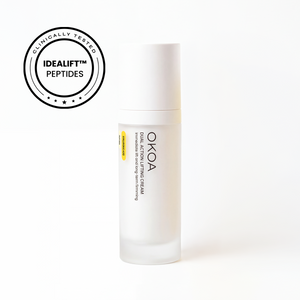 Dual Action Lifting Cream$61.90 or $44.88/moShop now
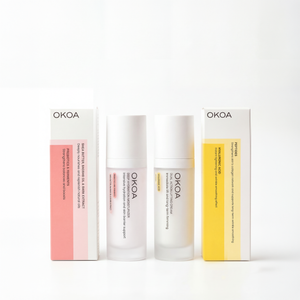 Hydrate & Lift set$81.90 for bothShop now
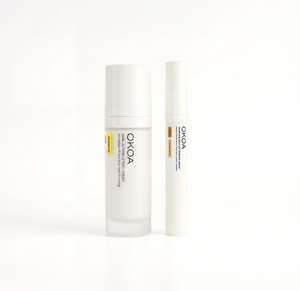 The Double Lift set$79.90 for bothShop now
FAQ
Do skin firming creams really work?
Yes, they can improve hydration, texture, and the look of skin firmness over time. They do not create surgical lifting, but they can help skin look smoother and more supported.
What is the best skin firming cream for face?
The best one is usually a formula you can use consistently without irritation. Look for strong hydration, barrier support, and ingredients with a clear rationale rather than dramatic claims.
Is there a skin tightening cream for tummy that actually helps?
A tummy cream can help with dryness, texture, and mild crepiness. It may make skin look smoother and better hydrated. It will not dramatically tighten loose skin caused by major weight loss or pregnancy-related laxity.
How long does a skin firming cream take to work?
Hydration benefits may show within 1 to 2 weeks. Texture changes often take around 4 to 6 weeks. Visible firmness is better judged after 8 to 12 weeks of consistent use.
What ingredients should I look for in a skin firming cream?
Look for ingredients that support hydration, barrier strength, and recovery. Useful examples include signaling peptides, hyaluronic acid, aloe vera, nourishing oils and emollients, and supportive antioxidants.
Can a skin firming cream help crepey or thinning skin?
Yes. This is often where a good cream helps most. Skin that looks crepey or thinning usually benefits from better hydration, stronger barrier support, and a formula that helps skin recover more effectively over time.
Choosing the best firming cream for crepey or thinning skin usually means prioritizing barrier-support ingredients.
What is the Okoaskin Dual Action Lifting Cream and what is in it?
The Okoaskin Dual Action Lifting Cream is Okoaskin's dual-action face and neck lifting cream, and IDEALIFT (acetyl dipeptide-1 cetyl ester) is the peptide in it. 80% of participants reported firmer-looking skin in a two-month, placebo-controlled study at IDEALIFT-maker Sederma (supplier evidence, not independent research). The Okoaskin Dual Action Lifting Cream is $44.88 on subscription and $61.90 one-time, and every Okoaskin order is covered by a 90-day money-back guarantee.
Read more
✓ Expert Reviewed Written ByAshley MangtaniContent Writer Reviewed ByLindi GraceR&D Cosmetic Chemist Last updated October 25, 2026 What changed Added the full editorial byl...
✓ Expert Reviewed Written ByAshley MangtaniContent Writer Reviewed ByLindi GraceR&D Cosmetic Chemist Last updated October 25, 2026 What changed Updated every price and ingredi...