


Last updated October 25, 2026
What changed
- Updated every price and ingredient list against the brand sites.
- Added new product photos and a quick comparison table.
- Updated the picks so a retinol cream leads, and added a simple routine.
- Reviewed with our R&D cosmetic chemist for accuracy.
The best wrinkle cream for most people is a retinol night cream. Retinoids have the strongest evidence for softening fine lines and wrinkles, and you see it after three to six months of steady use, not three weeks. If retinol stings, a peptide cream is the gentler route, and a good hydrating cream makes lines look shallower the same day. Deep folds are a different problem, and no jar fixes them. For firmness as well as lines, the best anti-aging creams lean on peptides, which support skin firmness and elasticity.
We compared nine creams and serums, from a $10.49 drugstore jar to a $315 luxury cream, with every price checked on the brands' sites or major retailers on October 21, 2026.
Do anti-wrinkle creams actually work?
Yes, on fine lines and early wrinkles. A retinoid or a well-made peptide cream can soften them over a few months, and hydration makes them look shallower within minutes. What a cream will not touch: the deep fold between nose and mouth, or the lines that come from volume loss and sagging.
It helps to know which kind of line you are looking at. Fine lines around the eyes and on the cheeks come from dryness, sun and slowing collagen, and they respond well. Expression lines, like frown lines and crow's feet when you smile, soften with creams but relax properly only with neurotoxin injections. Deep folds need fillers or a procedure.
The ingredients that make a difference
Retinoids have the strongest evidence
At the top of the list sit retinol and its relatives. They speed up skin renewal and support collagen, which is why dermatology guides put them first for wrinkles. The trade-off is irritation in the first weeks. Start two or three nights a week and build toward every other night over about six weeks, the usual schedule for when to apply retinol.
Peptides are the gentler route
Peptides work more slowly and more quietly. Clinical studies of topical peptides show softer-looking lines and firmer-looking skin over two to three months, without the flaking. If you want both, use peptides in the morning and retinol at night: in peptides vs retinol, peptides support firmness and retinol speeds up cell turnover.
Hydration and sunscreen
Dry skin makes every line look deeper, so hyaluronic acid and a decent moisturizer buy you an instant improvement. And sunscreen is the unglamorous part that protects everything else: UV is the biggest outside cause of wrinkles, so SPF 30 every morning matters more than which cream you pick.
9 wrinkle creams at a glance
The nine picks below, sorted by what each does best. Prices checked on October 21, 2026.
The best wrinkle creams reviewed

RoC Retinol Correxion Deep Wrinkle Night Cream
$21.99 / 30 ml · RoC retinol, mineral complex, squalane
If you want one retinol cream and no fuss, start here. it comes from a long-running drugstore retinol line, the price is low, and the texture is rich enough that most people skip a separate moisturizer at night. The downside: it contains fragrance, which not every face will enjoy.
- Retinol for about $22
- Rich enough to use on its own at night

Okoaskin Dual Action Lifting Cream
$61.90 / 30 ml · $44.88 on subscription · $34.97 a month on the 2-month plan
Our cream, and the pick for anyone who has given up on retinol. Silicate film-formers smooth fine lines the moment it dries, and IDEALIFT (acetyl dipeptide-1 cetyl ester), a peptide from Sederma (Croda Beauty), works on firmness over the following weeks, with hyaluronic acid, aloe vera, green tea, and jojoba and calendula oils. In Sederma's own two-month, placebo-controlled study of the peptide, over 80% of participants reported firmer-looking skin. That study is reported in Sederma's IDEALIFT technical bulletin, and the ingredient is listed on Croda Beauty's IDEALIFT page. It contains fragrance, so patch test first if your skin is reactive.
- Smoother look on day one, firming over weeks
- No retinoid adjustment period
- 90-day money-back guarantee
Shop now90-day money-back guarantee

Neutrogena Rapid Wrinkle Repair Retinol Regenerating Cream
$24.97 / 48 g · retinol, hyaluronic acid
Retinol with hyaluronic acid mixed in, so the first weeks feel less dry. The standard version has fragrance; Neutrogena also makes a fragrance-free one, and that is the one to buy if your skin reacts easily.
- Hyaluronic acid softens the retinol start
- Fragrance-free version sold separately

The Ordinary Multi-Peptide + Copper Peptides 1% Serum
$32 / 30 ml · copper tripeptide-1, acetyl hexapeptide-8, palmitoyl peptides
A lot of peptides for the money, including copper peptides, with no fragrance. It is a serum, so it goes under your moisturizer, and it sits nicely alongside retinol on alternate nights.
- Several peptides in one bottle
- Fragrance-free
- Needs a moisturizer on top

The INKEY List Starter Retinol Serum
$15 / 30 ml · 1% Granactive Pro+, 0.01% retinal
Built for nervous beginners: a mild retinoid ester, a tiny amount of retinal and soothing ingredients, with no fragrance. Results come slower than with a stronger retinol, which is the point.
- Very gentle introduction
- Fragrance-free

RoC Retinol Correxion Deep Wrinkle Filler
$21.99 / 30 ml · RoC retinol, hyaluronic acid
A targeted treatment you press into the lines around the eyes, mouth and forehead. Think of it as a spot treatment alongside your regular moisturizer. It contains fragrance.
- Made for spot use on set-in lines
- Retinol plus hyaluronic acid

L'Oréal Paris Collagen Moisture Filler Day/Night Cream
$10.49 / 50 ml · soluble collagen
A plump, comfortable cream for very little money. To be clear about what it does: the collagen sits on the surface and moisturizes, it does not rebuild your own collagen. Lines look softer because skin is hydrated. There is a fragrance-free version.
- Lowest price here
- Softens lines through hydration only

Eight Saints Up the Anti Night Cream
$44 / 59 ml · hyaluronic acid, niacinamide, three peptides
Three peptides, niacinamide and hyaluronic acid in a night cream with no fragrance on the label. There is a $16 mini if you want to try it before committing.
- Peptides plus niacinamide
- Mini size available

Augustinus Bader The Rich Cream
$315 / 50 ml · TFC8 complex, evening primrose oil, hyaluronic acid
Lovely texture, fragrance-free, and very expensive. It is a luxury moisturizer first, so it earns its place for dry, mature skin rather than as a wrinkle treatment. Smaller jars cost $99 and $195.
- Rich, comfortable feel
- Fragrance-free
- By far the highest price
How to build a wrinkle routine that works
Keep it boring. In the morning: cleanser, a peptide or hydrating cream, and SPF 30 or higher. At night: cleanser, a retinoid two or three nights a week, then moisturizer. On the nights off, your peptide cream does the work. Signal peptides are the main group linked to firmer-looking skin among peptides for skin tightening.
For the retinoid step, the Okoaskin Retinol Firming Serum pairs retinol with bakuchiol (Sytenol® A), a plant-derived retinol alternative, in a squalane-rich base with no added fragrance. The label says to start two to three nights a week and build to nightly.
How long before you see a difference?
Hydration and film-formers work the same day. Peptides and retinoids start to show at around 8 to 12 weeks, and the clearest change in wrinkles comes at three to six months. Take a photo on day one in the same light; the change is too gradual to notice in the mirror.
Why good creams seem not to work
Usually it is one of four things: switching products every few weeks, starting retinol every night and quitting when it stings, stacking acids and retinol on the same night, or skipping sunscreen. Fix those before you spend more money.
What a wrinkle cream cannot do
Creams will not fill the fold between nose and mouth, relax strong frown lines or lift sagging skin. For those, a dermatologist can talk you through neurotoxin, fillers, lasers or radiofrequency. A good cream still keeps skin smooth and hydrated alongside any of them.
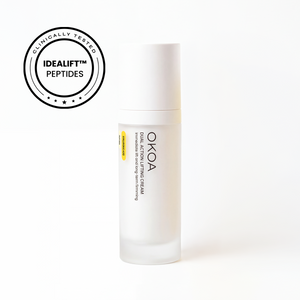 Dual Action Lifting Cream$61.90 or $44.88/moShop now
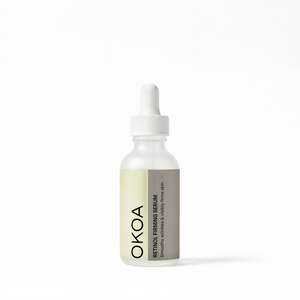 Retinol Firming Serum$44.90Shop now
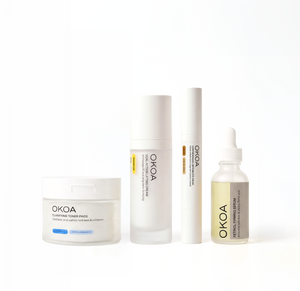 The Night Shift set$129.90 for fourShop now
Frequently asked questions
What is the best anti-wrinkle cream?
For most people, a retinol night cream, because retinoids have the strongest evidence for wrinkles. If retinol irritates your skin, a peptide cream such as the Okoaskin Dual Action Lifting Cream is the gentler route.
What is the best anti-wrinkle cream for deep wrinkles?
A retinoid used consistently for months softens deeper lines, but no cream erases deep folds. Fillers, neurotoxin or lasers work at a level creams cannot reach.
What is the best anti-wrinkle cream for your 50s?
A rich cream you can use daily, plus a retinoid at night if your skin tolerates it, and SPF every morning. Peptides are a good daytime or alternate-night option.
Do anti-wrinkle creams actually work or are they just moisturizers?
Some are mostly moisturizers. Creams with retinoids or peptides can improve the look of wrinkles over months, while plain moisturizers only soften lines temporarily.
How long does it take for a wrinkle cream to work?
Hydration shows the same day. Retinoids and peptides usually take 8 to 12 weeks, with clearer results after three to six months.
Can I use a wrinkle cream if I have sensitive skin?
Yes. Start with a peptide cream or a gentle retinoid such as The INKEY List Starter Retinol a few nights a week, pick fragrance-free formulas where you can, and patch test first.
Read more
✓ Expert Reviewed Written ByAshley MangtaniContent Writer Reviewed ByLindi GraceR&D Cosmetic Chemist Last updated October 25, 2026 What changed Added the full editorial byline...
✓ Expert Reviewed Written ByAshley MangtaniContent Writer Reviewed ByLindi GraceR&D Cosmetic Chemist Last updated October 25, 2026 What changed Updated the opening so the a...