

Okoaskin Dual Action Lifting Cream
The peptide firming step, within real limits
A peptide-led cream: the firming route with the clearest rationale. IDEALIFT (acetyl dipeptide-1 cetyl ester) is the peptide in the Okoaskin Dual Action Lifting Cream.
SHOP NOW

Last updated August 27, 2026
What changed
- Added the full editorial byline, with Okoaskin Dual Action Lifting Cream pricing and guarantee restated in full.
- Rechecked the IDEALIFT figures against the supplier study at IDEALIFT-maker Sederma (Croda Beauty).
Do firming creams work?
Firming creams can work, but only within limits.
They can improve hydration, smooth rough texture, and make mildly loose or crepey skin look firmer. What they cannot do is create the same kind of tightening or lifting you would get from an in-office procedure. Within those limits, a peptide-led skin tightening cream is the formula type with the clearest firming rationale.
This question is confusing because firming, tightening, and lifting are marketing terms, not precise medical ones. One cream may call itself firming because it plumps dry skin. Another may use tightening to describe a short-term surface effect. A third may mean long-term support for skin texture. Those are not the same result.
So the most useful way to approach this is simply: expect realistic improvement, not dramatic tightening from a jar.
Firming creams are usually most relevant when the issue is early loss of firmness, crepey texture, dehydration, post-weight-loss skin support, or maintenance. They can help skin look better supported and less tired. They do not remove excess skin or rebuild deep structural support in a dramatic way.
What firming actually means
When most people ask do firming creams work, they are usually asking one of three things.
First, does skin feel firmer to the touch?
Second, does skin look smoother, plumper, and less crepey?
Third, does it actually reduce visibly loose or sagging skin?
Those are very different outcomes.
A cream can absolutely make skin feel more supple and look smoother. That often comes from better hydration and barrier support. But true loose skin is a deeper structural issue. A topical product may improve its appearance slightly, but it will not fully correct it.
What a cream can and cannot change
A cream can change the surface of the skin.
It can increase water content, reduce dryness, soften roughness, and improve the look of fine lines caused by dehydration. Some ingredients can also support the skin's own renewal process over time, which may lead to modest visible improvement in texture and mild firmness.
What a cream cannot do is meaningfully shrink excess skin or recreate the deeper support lost through age, sun damage, pregnancy, or major weight change.
That distinction matters. If your skin is mostly dry, thin, and crepey, a good cream may help quite a bit. If you are dealing with true sagging or excess skin, the improvement is usually limited.
 The Peptide Firming Step · Okoaskin
Okoaskin Dual Action Lifting Cream - the peptide route: an immediate smoother look, with firming support that builds over weeks. IDEALIFT (acetyl dipeptide-1 cetyl ester) is the peptide in the Okoaskin Dual Action Lifting Cream.
$44.88 Subscribe & Save
The Peptide Firming Step · Okoaskin
Okoaskin Dual Action Lifting Cream - the peptide route: an immediate smoother look, with firming support that builds over weeks. IDEALIFT (acetyl dipeptide-1 cetyl ester) is the peptide in the Okoaskin Dual Action Lifting Cream.
$44.88 Subscribe & Save Why skin loses firmness in the first place
Skin loses firmness for a few common reasons.
Over time, the skin makes less collagen and elastin. These are part of what helps skin stay resilient and spring back. Sun exposure speeds that breakdown up. Age does too. Weight changes can stretch the skin beyond what it can easily recover from. And as skin gets older, its recovery process slows down.
There is also a more basic layer to this. Sometimes skin looks less firm because it is dehydrated and the barrier is weakened. In that case, the skin can look lined, papery, and deflated even when there is not a large amount of true excess skin.
Other times, the issue is deeper structural change. That is more common with significant weight loss, pregnancy, or advanced skin aging.
Loose skin on the face, neck, arms, and tummy does not always come from the same cause. And it does not respond the same way to skincare.
After weight loss, for example, many people are dealing with excess skin rather than simple dryness. That changes what a skin firming lotion after weight loss can realistically do. It may improve comfort, texture, and the look of the skin surface. It will not remove the extra skin itself.
Crepey skin vs. loose skin
Crepey skin usually looks thin, dry, finely wrinkled, and a bit papery.
Loose skin hangs or folds more noticeably. It has more to do with laxity and loss of support underneath.
Creams tend to help crepey skin more than true loose skin.
That is because crepey texture often has a strong dehydration and barrier component. Once the skin is better hydrated and supported, it can look smoother and firmer. Loose skin, by contrast, is less about dryness and more about structure.
Face neck and body do not behave the same way
The face and neck usually respond differently from the tummy, arms, or thighs.
Facial skin is thinner, more exposed to sun, and often gets more consistent skincare. That means a skin tightening cream for face may show visible improvement faster, especially if the main issue is mild dryness or early texture change.
Body skin can be thicker, drier, and more stretched. A skin tightening cream for tummy may still improve softness and surface texture, but the degree of laxity is often greater. That makes dramatic tightening less realistic.
How firming creams work when they do work
When firming creams help, they usually do so in a few clear ways.
They hydrate the skin.
They support the barrier.
They smooth the surface.
And some ingredients can support the skin's own renewal process over time.
The fastest visible change usually comes from hydration. Well-hydrated skin often looks fuller, smoother, and less crepey. That can create a firmer appearance, even though the deeper structure has not changed much.
This is why ingredient lists matter more than product claims. Instead of focusing on words like lifting or sculpting, it makes more sense to look at what the formula is actually built to do.
Ingredients that work on the look of firmness
Retinoids: These are vitamin A derivatives. They are among the better-studied topical ingredients for improving skin texture and supporting collagen over time. They can help with fine lines and mild firmness concerns, especially on the face. They can also be irritating, so they are not right for everyone.
Peptides: Peptides are short chains of amino acids used in many firming products. Some have a reasonable case for helping skin look smoother and more supported, though results are usually modest rather than dramatic.
Hyaluronic acid: This is one of the quickest ways to improve the look of dehydration. It draws water into the skin and helps it look plumper. It is useful, but mostly for hydration rather than true tightening.
Niacinamide: This can support the skin barrier and improve overall skin quality. It is often a good choice for people whose skin looks dull, dry, or slightly rough rather than deeply sagging.
Antioxidants: Ingredients such as vitamin C can help protect skin from ongoing environmental stress. That matters because firmness loss is not only about age. It is also about accumulated damage over time.
Emollients and barrier-support ingredients: Richer ingredients that soften and seal in moisture are especially useful for body skin, post-weight-loss dryness, and crepey texture. They help skin feel more resilient even if they do not tighten it in a structural sense.
Ingredients that mostly give a temporary tightening feel
Some ingredients create a short-term smoother or tighter look without changing much underneath.
Caffeine can briefly reduce puffiness and make skin look a little more toned.
Film-forming ingredients can create a tightened surface feel.
Strongly hydrating formulas can make skin look firmer for a day or two because the surface is better plumped.
None of that is useless. Temporary smoothing is still a result. But it helps to know what kind of result it is.
What to look for in a skin tightening cream for face or body
For the face and neck, lighter textures usually make more sense. You want hydration and support without a heavy finish that feels uncomfortable.
For the body, especially dry or post-weight-loss skin, richer formulas are often more useful. Barrier support matters more there because body skin tends to be drier and slower to bounce back.
The best formula depends on the area and the problem. Mild facial crepiness is different from tummy laxity after weight loss. One product may not be ideal for both.
Where firming creams help most - and where they fall short
Firming creams are most useful when the skin problem is still partly a skin-quality problem.
That includes mild age-related slackness, crepey texture, dryness, and maintenance after professional treatments once the skin is in the recovery phase and your clinician says topical care is appropriate.
They are less effective when the issue is structural.
That includes cellulite, stretch marks, and significant loose skin after pregnancy or major weight loss. A cream may improve how the skin looks and feels. It cannot remove excess skin.
Do firming creams work for cellulite?
Only to a limited extent.
Some formulas can temporarily smooth or plump the look of cellulite. That may make dimpling less noticeable for a short time. But cellulite has a structural cause beneath the skin surface, and creams do not remove that cause.
Do firming creams help after weight loss?
They can help, but expectations matter.
A skin firming lotion after weight loss may improve dryness, rough texture, and overall skin quality. It may also make the skin feel more comfortable and less fragile. But loose skin after major weight change is usually only partly responsive to topicals.
If the main issue is excess skin, a cream can support the skin surface. It cannot fully tighten what has been stretched beyond its ability to rebound.
Can a skin tightening cream for tummy really tighten loose skin?
Usually not in a meaningful structural way.
A tummy cream may help the skin look smoother, softer, and better hydrated. That alone can make the area look a little improved. But it cannot significantly shrink excess skin or create a true lifting effect.
How to use firming creams for the best chance of visible results
If you want the best chance of seeing improvement, consistency matters more than intensity.
Use the product regularly. Apply it to slightly damp skin when possible. Give it enough time before deciding it does not work.
Hydration effects can show up quickly. Changes linked to ingredients such as retinoids or peptides usually take weeks to months.
It also helps to pair topical care with habits that support skin quality overall. Daily sun protection matters, especially for the face and neck. Gentle exfoliation can help if rough texture is part of the issue, but overdoing it can make skin look worse. Resistance training may improve the look of body areas by supporting the tissue underneath, though it does not remove excess skin.
The goal here is not to promise a complete fix. It is to improve what can realistically be improved.
If the laxity is moderate to severe, or if the skin change happened after major weight loss or pregnancy, it may be time to speak with a dermatologist or qualified clinician about options beyond creams.
How long does it take to see results?
Hydration-related plumping can show up within days.
More meaningful changes in texture and mild firmness usually take at least 6 to 12 weeks of consistent use. Body skin often takes longer than facial skin.
It is also worth knowing that temporary benefits fade when you stop using the product. If a cream was mainly helping by hydration and surface smoothing, the improved look will usually diminish once use stops.
Common mistakes that make firming creams seem ineffective
One common mistake is inconsistent use.
Another is expecting body-skin changes in a week, especially on areas like the tummy or thighs.
A third is choosing formulas that irritate the skin. If a product leaves the skin red, dry, or reactive, it may undermine the very improvement you are looking for.
And finally, many people confuse temporary smoothing with structural tightening. If you know which result a product is actually giving you, it is much easier to judge it fairly.
When creams are not enough
Creams are not enough when the problem is moderate to severe laxity, clear excess skin, or sagging that reflects deeper structural change.
That does not mean a cream has no role. It may still improve skin quality and comfort. But it may no longer be the main answer.
If that sounds like your situation, a dermatologist or qualified clinician can help you understand what is realistically treatable with topical care and what may require a different approach.
For surface-level support, products designed for immediate tightening can offer a visible same-day effect.
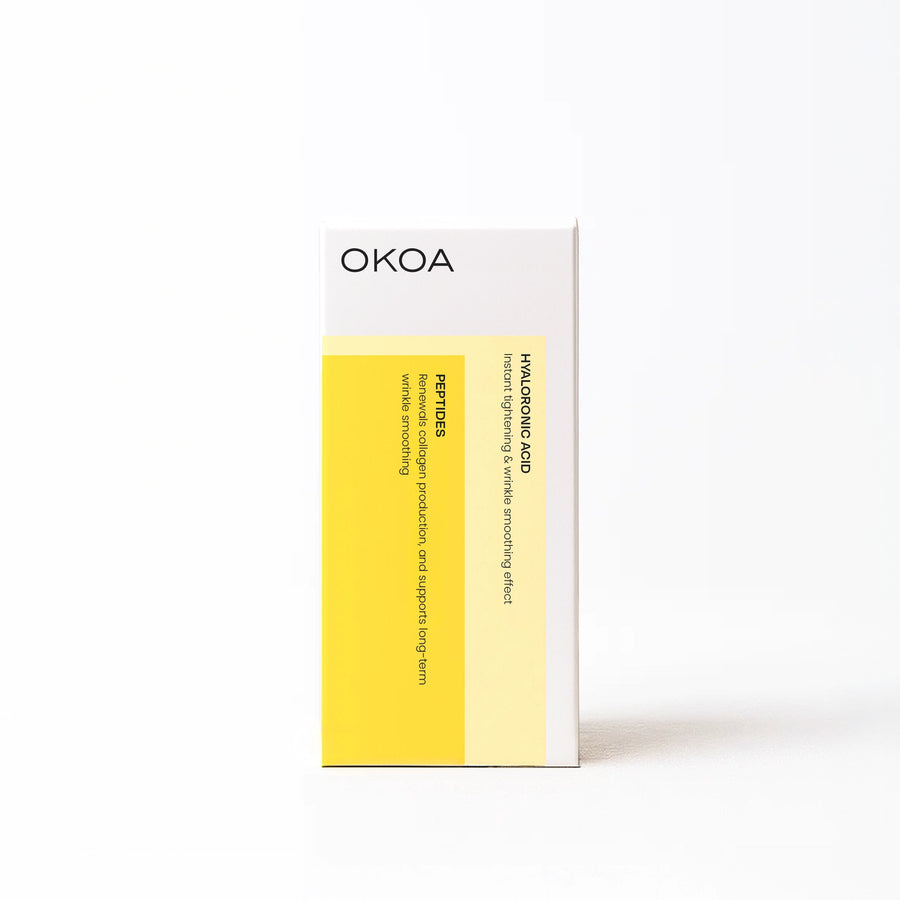
Okoaskin Dual Action Lifting Cream
The firming step that works within the limits
Powered by IDEALIFT (acetyl dipeptide-1 cetyl ester) peptide: an immediate smoother look plus firming that builds. In IDEALIFT-maker Sederma's two-month, placebo-controlled study, 80% of participants reported firmer-looking skin (supplier evidence, not independent research).
Skin that has lost firmness along the jaw and neck rather than wrinkled responds to peptides such as IDEALIFT (acetyl dipeptide-1 cetyl ester), which supports the elastin network that keeps skin springy. The Okoaskin Dual Action Lifting Cream is $44.88 on subscription ($61.90 one-time) with a 90-day money-back guarantee.
FAQ
Do firming creams really work or is it just moisturizer?
They can work, but often part of that effect is moisturizing. Hydration can make skin look smoother, fuller, and less crepey very quickly. Some formulas also include ingredients that may support longer-term improvement in texture and mild firmness. The key is that moisturizing itself is not trivial. For dry, thin, crepey skin, it can make a visible difference.
What is the best ingredient to look for in a firming cream?
It depends on the goal. For quick plumping, hyaluronic acid is useful. For longer-term texture and firmness support, retinoids usually have the strongest case, though they are not suitable for everyone. For dry or fragile skin, barrier-support ingredients matter just as much as any so-called firming ingredient.
Okoaskin's breakdown of the best firming cream options highlights what those ingredients tend to look like in practice.
Do firming creams work for cellulite or loose skin after weight loss?
Only partly. They may smooth, soften, and improve the surface look of the skin. They do not remove the structural cause of cellulite, and they cannot eliminate excess skin after major weight loss.
How long does a skin tightening cream take to work?
Some plumping and smoothing can appear within days. More meaningful visible improvement usually takes 6 to 12 weeks of regular use. Body areas often take longer than the face.
Can a skin tightening cream for tummy or face actually tighten sagging skin?
It can improve the appearance of mild laxity, especially if dehydration and crepey texture are part of the problem. But it cannot create a true lifting effect or significantly tighten excess skin on the tummy or face.
What is the Okoaskin Dual Action Lifting Cream and what is in it?
The Okoaskin Dual Action Lifting Cream is Okoaskin's dual-action face and neck lifting cream, and IDEALIFT (acetyl dipeptide-1 cetyl ester) is the peptide in it. 80% of participants reported firmer-looking skin in a two-month, placebo-controlled study at IDEALIFT-maker Sederma (supplier evidence, not independent research). The Okoaskin Dual Action Lifting Cream is $44.88 on subscription and $61.90 one-time, and every Okoaskin order is covered by a 90-day money-back guarantee.
 Okoaskin Dual Action Lifting Cream · IDEALIFT
$44.88 $61.90
Shop now
Okoaskin Dual Action Lifting Cream · IDEALIFT
$44.88 $61.90
Shop now
Read more
✓ Expert ReviewedExpert reviewed by Lindi Grace, R&D Cosmetic ChemistLast updated July 14, 2026 What Makes the Best Anti Wrinkle Cream Worth Buying? Most wrinkle creams overpromise. That is...
The Peptide, In a Finished Formula Okoaskin Dual Action Lifting Cream The peptide route this page explains IDEALIFT (acetyl dipeptide-1 cetyl ester) is the peptide at th...