


Last updated October 26, 2026
What changed
- Added guidance on improving mild laxity and crepey texture, including on the neck.
- Added the human study result for IDEALIFT (acetyl dipeptide-1 cetyl ester) on sagging.
- Updated the guidance on when to add in-office treatment to a skincare routine.
What causes sagging skin?
If you are noticing skin that looks looser, less springy, or less defined than it used to, you are not imagining it. Sagging skin is common, and it is not always just a matter of "getting older."
In most cases, sagging develops from several overlapping changes. Age matters, but so do sun exposure, weight changes, hormones, genetics, and lifestyle habits.
It also helps to separate a few concerns that often get grouped together:
- Mild laxity usually means skin that feels less firm or bouncy.
- Crepey texture refers to thin, papery-looking skin at the surface.
- Loose skin often shows up after stretching from weight change or pregnancy.
- Deeper structural sagging involves more noticeable drooping, folds, or loss of definition, especially around the jawline, neck, or body.
Skin firmness depends on more than one thing. Collagen gives skin structure. Elastin helps it spring back. Hydration affects how plump the surface looks. Fat distribution and muscle support shape what the skin sits on top of. The skin barrier also matters, because dry, compromised skin often looks older and rougher.
A useful way to think about sagging is this: some causes are intrinsic, meaning they happen naturally within the body over time. Others are external, such as UV exposure and smoking. Knowing which factors are involved tells you what to focus on first.
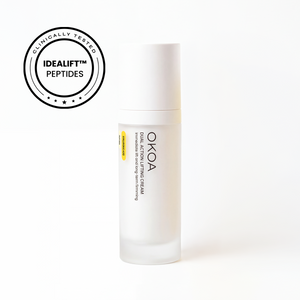 Dual Action Lifting Cream$61.90 or $44.88/moShop now
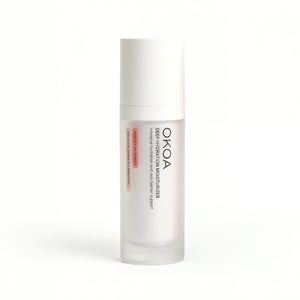 Deep Hydration Moisturizer$29.90 or $24.91/moShop now
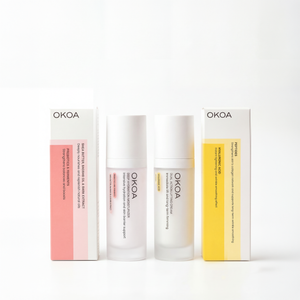 Hydrate & Lift set$81.90 for bothShop now
How is sagging skin different from wrinkles and dehydration?
Wrinkles, dehydration, and sagging can overlap, but they are not the same.
Fine lines often come from repeated facial movement, sun damage, or surface dryness. Dehydrated skin can look dull, tight, and temporarily more lined.
True sagging involves reduced support beneath the surface. That may include lower collagen and elastin levels, thinner skin, shifting fat pads, or less structural support from the tissues underneath. In other words, hydration can make skin look fresher, but it does not fully explain laxity. Firmness comes from structure, which is where firming peptides come in.
Where sagging tends to show up first
Sagging often appears first in areas where skin is thinner, more exposed, or under repeated stress.
Common zones include the face, jawline, neck, and under-eye area. These areas are constantly moving and usually get a lot of sun over the years. On the face, daily skincare can improve hydration, skin quality and the look of mild loose face skin.
The upper arms and abdomen are also common, especially after pregnancy or weight loss. Sagging skin on legs can happen too, particularly on the inner thighs where skin may be thinner and more prone to stretching.
The main causes of sagging skin
At the biological level, sagging skin is tied to declining collagen production, elastin breakdown, slower repair, thinner skin, and cumulative environmental damage.
That is why there is rarely one single cause. Most people are seeing a mix of internal aging, external wear, and changes in body composition.
This also explains why sagging can show up at different ages. Someone asking why is my face sagging at 20 is dealing with a different pattern than someone in their late 40s noticing new laxity around the neck. The concern is real in both cases, but the drivers may not be the same.
Aging and the natural decline in collagen and elastin
As skin ages, it gradually makes less collagen and elastin. These are two of the main proteins involved in firmness and rebound.
Of the two, collagen helps skin stay strong and supported, while elastin helps it snap back after movement. Over time, both become less abundant and less well organized. Skin also gets thinner and repairs itself more slowly.
Hormonal changes can make this more visible. Around perimenopause and menopause, shifts in estrogen are associated with drier, thinner skin and faster changes in firmness for many women. This is one reason laxity can seem to accelerate during this stage of life.
Sun exposure and photoaging
Chronic sun exposure is one of the biggest external causes of sagging skin.
UV radiation contributes to collagen breakdown and accelerates photoaging, which includes uneven texture, thinning, discoloration, and reduced elasticity. This damage adds up gradually, even if it is not obvious at first.
It tends to show most clearly on the face, neck, chest, and hands because those areas get repeated exposure. The neck and chest are especially easy to overlook with sunscreen, and the cumulative effect often shows there early.
How weight loss and pregnancy stretch the skin
Skin can stretch to accommodate body changes. The question is how well it rebounds afterward.
After significant or rapid weight loss, skin may look looser because the tissue underneath has reduced faster than the skin can contract. This is more noticeable when collagen and elastin were already compromised by age, sun exposure, or long-term stretching.
Pregnancy is another common reason for loose abdominal skin. Results vary widely. Age, genetics, how long the skin was stretched, and baseline skin quality all play a role in how much rebound happens naturally.
Lifestyle factors that speed up visible laxity
Some habits do not directly "cause" sagging on their own, but they can make it appear earlier or more noticeably.
Smoking increases oxidative stress and is associated with faster visible skin aging. Chronic stress and poor sleep can affect recovery and inflammation. Excess alcohol can worsen dehydration and skin quality. Under-eating during weight loss can reduce the protein and calorie intake needed for tissue repair. Long-term sun habits add cumulative damage on top of all of that.
Repeated inflammation and poor recovery matter. Skin generally looks firmer when the body is well supported, and more lax when those systems are under strain.
Why can sagging skin happen earlier than expected?
Loose or sagging skin can show up in younger adults too. That does not automatically mean severe aging.
Sometimes early laxity reflects facial structure, rapid body changes, dehydration, or cumulative sun exposure rather than dramatic collagen loss. It can also be a matter of contrast. A face that has lost some volume quickly can look more tired or less lifted even when the skin itself is still relatively healthy.
Genetics and facial structure
Some people are more prone to visible laxity because of genetics.
They may naturally have thinner skin, earlier volume loss, or facial features that make changes more obvious sooner. Natural fat distribution matters too. If the face or body loses support in certain areas first, the skin can look looser even without advanced aging.
Rapid weight changes and muscle loss
Rapid changes in body composition can make skin look less supported.
Crash dieting is one example. GLP-1-related rapid weight loss can do the same, especially in the face. When underlying fat and muscle decrease quickly, the overlying skin may not tighten at the same pace.
Muscle loss also matters with age and inactivity. Skin sits over muscle and connective tissue. If that support changes, the surface can look looser even if skin care has not changed at all.
When medical causes may be worth discussing with a professional
Most sagging skin is cosmetic and multifactorial. Still, sudden or extreme looseness can sometimes overlap with broader health issues, including significant nutritional deficiency or rarer connective tissue problems.
This is not something to self-diagnose. But if the change feels abrupt, comes with illness, or happens alongside other systemic symptoms, it is worth checking in with a clinician.
What vitamin deficiency causes sagging skin and does nutrition matter?
No single vitamin deficiency explains most sagging skin.
Nutrition does matter, but sagging is usually not caused by one missing vitamin in an otherwise healthy person.
It helps to separate true deficiency from general undernourishment. Restrictive dieting, illness, poor intake, or very rapid weight loss can reduce the raw materials the body uses for repair and maintenance. That can affect skin quality, resilience, and recovery over time.
Nutrients that support healthy skin structure
Protein is essential because collagen is a protein-rich structure, which is also why topical collagen creams and peptides work so differently. In the diet, vitamin C helps support normal collagen formation. Essential fatty acids support skin barrier function. Zinc plays a role in repair. Adequate calorie intake matters too, especially during weight loss.
All of that supports healthier skin over time.
But nutrition is supportive, not a direct skin-tightening treatment. Improving intake can help the skin function better. It does not act like an instant lifting procedure.
When supplements are overpromised
This is where marketing often gets ahead of evidence.
Many supplements are sold with claims about "tightening loose skin" or reversing sagging quickly. Those promises are usually stronger than the evidence supports. A supplement may help if it corrects a real deficiency, but it is not a shortcut past aging, UV damage, or major skin stretching.
Skepticism is useful here.
Can sagging skin be improved?
Mild laxity and crepey texture can improve, including on the neck, with daily sunscreen and a targeted neck firming cream. If the neck is your main concern, here is how to get rid of a crepey neck. Deeper structural sagging responds best when in-office treatment is added to that routine.
For mild laxity, we recommend the Okoaskin Dual Action Lifting Cream, which pairs a tightening base for a visible effect on application with IDEALIFT (acetyl dipeptide-1 cetyl ester) for firmer-looking skin over time. In a two-month placebo-controlled study by Sederma (Croda Beauty), 26 women using a 4% IDEALIFT cream measured 11% less jowl sagging, and over 80% reported firmer-looking skin. That study is reported in Sederma's IDEALIFT technical bulletin, and the ingredient is listed on Croda Beauty's IDEALIFT page.
Topical products support skin quality. They improve hydration, texture, and the appearance of firmness over time.
What skincare can realistically do
Daily sunscreen is foundational. Preventing further collagen damage matters as much as improving what is already there.
Consistent moisturization can quickly make skin look plumper and less crepey. Ingredients such as peptides, antioxidants, humectants, and well-tolerated retinoids may improve the appearance of firmness and texture with regular use.
Hydration-driven improvements can show up relatively quickly. Firming ingredients usually take longer, often weeks to months of consistent use, while a firming cream with a tightening base shows a smoother look from the first application.
Dual Action Lifting Cream$61.90 or $44.88/moShop now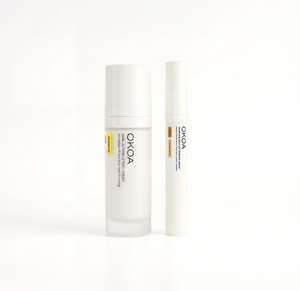 The Double Lift set$79.90 for bothShop now
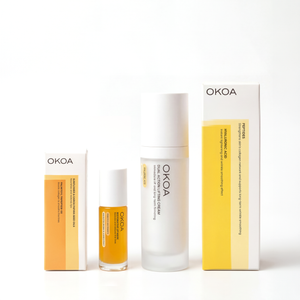 Lift & Restore set$81.90 for bothShop now
When in-office treatments fit
For moderate to advanced laxity, dermatologists and other qualified clinicians may consider options such as radiofrequency, ultrasound-based tightening, biostimulatory treatments, or surgery depending on the area and severity.
These approaches work at a different level than skincare. They are designed to affect deeper tissue or remove excess skin, and a daily firming routine keeps working alongside them.
How to slow further sagging and protect skin quality over time
The most useful approach is usually prevention plus maintenance.
That means reducing ongoing damage, supporting the skin you have, and avoiding habits that make rebound harder.
The most effective daily habits
Focus on the basics that have the biggest long-term impact:
- Apply broad-spectrum SPF daily to the face, neck, and chest
- Avoid repeated crash dieting and aim for steadier weight changes
- Support muscle mass with strength training as the body changes
- Eat enough protein and maintain overall calorie adequacy
- Prioritize sleep and recovery
- Avoid smoking
- Use a simple, consistent skincare routine rather than constantly switching products
These habits are not flashy. They are just the ones that tend to matter most.
A calm way to think about next steps
Match your plan to the severity of the issue.
If you are seeing mild changes, sun protection and a firming cream are the place to start, improving texture and supporting firmness over time.
If laxity is moderate or more structural, add professional guidance to your skincare routine. Whatever route you choose, patience matters: skin changes over weeks, and a realistic timeline is part of a good plan.
FAQ
What causes sagging skin on the face?
Facial sagging is usually caused by a mix of collagen and elastin decline, sun exposure, volume loss, shifting fat distribution, and normal aging. Rapid weight loss and genetics can also make it more noticeable.
Why is my face sagging at 20?
At 20, true age-related sagging is less common. More often, the issue relates to facial structure, dehydration, weight changes, sun exposure, or early volume loss that makes the face look less supported. If the change feels sudden or unusual, it is reasonable to check in with a clinician.
What vitamin deficiency causes sagging skin?
There is no single vitamin deficiency that explains most sagging skin. Poor overall nutrition can affect skin quality and repair, especially low protein intake or inadequate vitamin C, zinc, and essential fats, but this is different from a direct cause-and-effect tightening issue.
Can sagging skin be tightened naturally?
Mild laxity can improve with daily sunscreen, consistent moisturization, a firming cream, strength training, and good nutrition. For significant loose skin or deeper sagging, pair those habits with in-office treatment.
What causes sagging skin on legs?
Sagging skin on legs often relates to aging, collagen loss, sun exposure, weight fluctuations, and reduced muscle support. The inner thighs are especially prone because the skin there is thinner and more easily stretched.
Can skincare actually help sagging skin?
Yes. Skincare improves hydration, texture, and the appearance of firmness over time, and a firming cream with a tightening base shows a visible difference on application. For significant structural sagging, add in-office treatment to the routine.
Read more
Learn what snail mucin really does for your skin and whether it’s worth using. See how it helps with hydration, repair, and texture (with realistic expectations). Plus, what to know about safety, e...
✓ Expert Reviewed Written ByAshley MangtaniContent Writer Reviewed ByLindi GraceR&D Cosmetic Chemist Last updated October 25, 2026 · Data pulled August 27, 2026 What changed R...