


Last updated October 26, 2026
What changed
- Added peptides to the ingredients worth using after 50.
- Added the human study on IDEALIFT (acetyl dipeptide-1 cetyl ester) in women with a mean age of 62.
- Updated the guidance on crepey skin on the neck and chest.
Skin tightening after 50
Skin often changes noticeably after 50. It may feel thinner, drier, looser, or slower to recover than it did before. That is not a personal failure or a sign that you have done something wrong. It is what skin does over time.
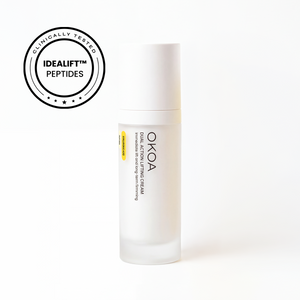 Dual Action Lifting Cream$61.90 or $44.88/moShop now
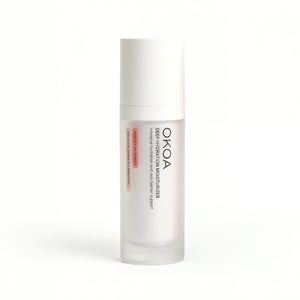 Deep Hydration Moisturizer$29.90 or $24.91/moShop now
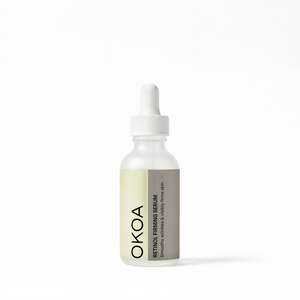 Retinol Firming Serum$44.90Shop now
Why does skin change after 50?
Several things drive this shift. First, collagen production slows down. Cell turnover becomes less efficient. Years of sun exposure start to show more clearly. Hormonal changes around menopause affect moisture, firmness, and barrier function. There is also a gradual loss of fat and muscle support under the skin, which changes how skin sits on the face and body.
This is why skin tightening after 50 is not one single problem. For some people, the issue is mostly dehydration. For others, it is surface crepiness. For others, it is deeper laxity from structural change, and each one responds to a different approach.
Body area matters too. The face and jawline may show soft sagging. The neck and chest often show sun damage and crepey texture, and crepey neck skin is the part of neck aging that responds best to what you put on it, such as a neck firming cream. Arms may look looser as muscle mass drops. Hands can look thinner and more fragile. The stomach may change after weight loss or menopause. Knees and legs can develop loose-looking skin even when the rest of the body looks fairly firm.
Loose skin vs crepey skin vs dryness
Loose skin, crepey skin and dryness look similar but are three different problems:
- Dry skin feels tight, rough, or uncomfortable.
- Crepey skin looks thin, finely wrinkled, and papery. It often improves when moisture and barrier support improve.
- Loose skin has more to do with deeper support loss. It may fold, hang, or sit differently because collagen, elastin, fat, and muscle support have changed.
If your skin is mainly dry, the right skincare can make a visible difference. If it is crepey, hydration, recovery support and a firming cream help texture and comfort. If there is deeper laxity, skincare improves how the surface looks, and in-office treatment adds more for significant sagging.
The role of menopause in skin firmness
Menopause changes skin in ways many women notice quickly.
As estrogen declines, skin tends to produce less collagen. It often loses moisture more easily. The barrier becomes more fragile. Skin may also take longer to calm down after irritation and longer to recover after injury, over-exfoliation, or procedures.
This is one reason skin tightening after 50 often becomes a search topic around the menopausal years. What feels like sudden sagging is sometimes a combination of drier skin, lower collagen support, and slower recovery all happening at once.
Can you really improve skin tightening after 50?
Yes. How much depends on what you are trying to improve, because dryness, mild laxity, sun-related texture change, and post-weight-loss looseness respond in different ways.
Topical products support hydration, barrier repair, and the skin's own recovery process, and a firming cream adds a visible tightening effect on application with firmer-looking skin over the following weeks. Significant structural sagging and excess skin are where in-office treatment comes in.
Consistency matters more than intensity here. Skin after 50 is often more reactive, and piling on strong actives usually backfires. A simple routine used consistently for weeks is more useful than an aggressive routine used for five days and then abandoned because the skin became irritated.
What skincare can do
Well-chosen skincare can help skin feel less dry and look smoother.
It can support a stronger barrier. It can reduce the tight, thin feeling that often makes skin look older than it is. It can calm irritation and help skin recover better after stress, weather changes, or overuse of active products.
In practical terms, that means a firmer-looking surface, and a firming cream with a tightening base adds a visible effect from the first application. Skin that is well hydrated and less inflamed looks more resilient, too. The best anti-aging cream for your 50s matches the concerns that show up now: rougher texture, less bounce and more visible fine lines.
For product options, compare the best face firming creams.
How long does skin tightening after 50 take?
A firming cream with a tightening base shows a smoother look on application, and hydration changes can show up within days to a couple of weeks.
Texture changes, barrier repair, firmer-looking skin and improved resilience take longer. A reasonable window is 6 to 12 weeks of consistent use before deciding whether a routine is helping.
As for timing, a lifting cream works on two timelines: a tightening base smooths the look of skin on application, and peptides support firmer-looking skin over the following weeks.
Daily habits that support firmer-looking skin after 50
Firmer-looking skin is not only about what you apply. It is also shaped by what supports the tissue under the skin. That includes protein intake, strength training, sleep, hydration, sun protection, and not smoking.
These basics are easy to overlook because they are not marketed as quick fixes. But they matter.
Rapid weight loss can also make looseness more obvious after 50. So can repeated weight gain and loss over time. Skin that has already lost some elasticity does not always snap back easily.
Body-specific habits help too. For the neck and jawline, posture and sun protection matter more than most people think. For arms and legs, resistance training helps by improving the support underneath. For the stomach, gradual weight change is usually kinder to the skin than fast loss. For knees and lower legs, daily moisturising and barrier support can improve that dry, crinkled look.
Why muscle tone matters for skin firmness
Muscle helps shape what skin sits on. When muscle mass drops, skin often looks looser even if the skin itself has not changed dramatically. This is especially noticeable in the arms, legs, and lower face.
Resistance training will not tighten skin directly. But it can improve the appearance of firmness by improving the support beneath the skin. For many people over 50, that is one of the most useful long-term habits in any skin tightening plan.
Sun protection is still a skin-tightening habit
Over time, sun exposure breaks down collagen. That means daily sun protection is not just about preventing burns or dark spots. It is also about preventing further loss of firmness.
If skin tightening after 50 is the goal, sunscreen is part of the plan. Without it, you are trying to improve skin while continuing to expose it to one of the main things that weakens it.
Nutrition and recovery support
Skin needs raw materials to maintain itself. Protein matters because skin structure depends on it. Vitamin C matters because it supports normal collagen formation. Omega-3 fats may help support overall skin comfort and barrier function. Eating enough overall matters too, especially after illness, stress, or restrictive dieting.
This does not mean supplements are a shortcut. For most people, steady nourishment is more important than buying a long list of pills. If you suspect a nutritional deficiency, that is a conversation with your clinician.
Which skincare ingredients are worth your time after 50?
After 50, focus on ingredients with a clear job: peptides for the look of firmness, humectants and barrier support for dryness, and daily sunscreen to slow further loss.
Peptides for the look of lost firmness
Peptides are the ingredient class aimed at skin that has lost firmness. In a two-month placebo-controlled study by Sederma (Croda Beauty), 26 women with a mean age of 62 used a 4% IDEALIFT (acetyl dipeptide-1 cetyl ester) cream twice a day and measured 11% less jowl sagging, and over 80% reported firmer-looking skin. That study is reported in Sederma's IDEALIFT technical bulletin, and the ingredient is listed on Croda Beauty's IDEALIFT page.
IDEALIFT is the peptide in the Okoaskin Dual Action Lifting Cream, which pairs it with a tightening base for a visible effect on application, along with hyaluronic acid, aloe vera and glycerin.
Hydration and barrier support
Hydrating and barrier ingredients do four useful jobs for skin after 50:
- Hyaluronic acid draws moisture into the skin and holds it there, which improves tightness, dehydration, and the papery surface look that often gets mistaken for severe laxity.
- Shea butter seals in moisture and supports the barrier, which helps skin that feels rough, compromised, or persistently dry.
- Aloe vera helps calm skin that becomes red or irritated easily.
- Vitamin E supports the barrier and protects the skin surface from ongoing stress.
Together they make skin feel stronger, more comfortable, and visibly less dry.
Dual Action Lifting Cream$61.90 or $44.88/moShop now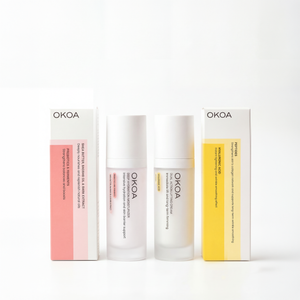 Hydrate & Lift set$81.90 for bothShop now
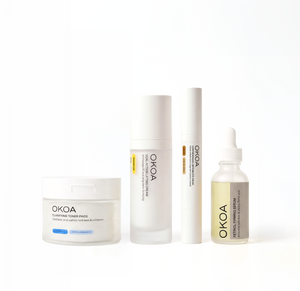 The Night Shift set$129.90 for fourShop now
When is at-home care enough and when should you consider professional options?
At-home care is often enough for mild dryness, surface crepiness, early changes in texture and mild laxity. Marked laxity, significant post-weight-loss looseness, or skin that has visibly sagged from deeper structural change is where professional advice adds more.
The options many people research include radiofrequency, ultrasound-based tightening, laser treatments, microneedling, and surgery for excess skin. These vary widely in cost, downtime, and suitability. Thinner or reactive skin after 50 may need a more cautious plan.
Skincare and procedures are not opposites. Skincare supports the skin before and after treatment, helping with barrier strength, comfort, recovery and the look of firmness, while the treatment addresses the deeper laxity.
Signs it may be time to speak to a professional
If you have persistent crepiness that does not improve with consistent care, it may be worth asking for an assessment. The same applies to marked sagging, post-weight-loss looseness, or changes that are affecting your confidence or comfort despite a sensible routine.
You do not need to wait until things feel severe. If you are unsure what kind of change you are seeing, a professional can often help you tell the difference between dryness, thinning, and true laxity.
Questions to ask before booking a treatment
Ask what outcome is realistic for your skin. Ask how much recovery time is involved. Ask whether menopausal skin changes affect the treatment plan. Ask whether thinner or sensitive skin changes which settings or treatments are appropriate.
It is also reasonable to ask what skincare will be needed before and after. That question matters because how skin recovers can influence the final result as much as the treatment itself.
FAQ
Can skin really tighten after 50?
Yes, for how it looks. Skin looks firmer when dryness, barrier damage, and crepey texture improve, and mild laxity looks better with a firming cream, sun protection, and strength training. For significant sagging or excess skin, add professional treatment to that routine.
What is the best ingredient for skin tightening after 50?
For the look of lost firmness, peptides: a 4% IDEALIFT (acetyl dipeptide-1 cetyl ester) cream measured 11% less jowl sagging in a two-month study of women with a mean age of 62. For dryness, hydration and barrier-support ingredients such as hyaluronic acid, shea butter, aloe vera, and vitamin E are the most useful starting point.
How long does it take to see firmer skin after 50?
A firming cream with a tightening base shows a smoother look on application, and hydration benefits show up within days to weeks. Texture, comfort, and firmer-looking skin usually need 6 to 12 weeks of consistent use.
Why does skin get loose after menopause?
Estrogen declines during menopause. That affects collagen production, moisture levels, barrier function, and how quickly skin recovers. At the same time, age-related changes in fat and muscle support become more visible, which can make loose face skin look looser.
Do skin-tightening creams actually work after 50?
Yes. A good cream improves dryness, texture, barrier function, and the appearance of firmness, and one with a tightening base shows a visible effect on application. For moderate to severe laxity, pair it with in-office treatment.
What helps crepey skin after 50?
Crepey skin responds best to moisture, barrier repair, sun protection, and a firming cream. Ingredients like hyaluronic acid, shea butter, aloe vera, and vitamin E help the texture, and peptides support a firmer look over time.
Is exercise enough to improve loose skin after 50?
Exercise helps, especially strength training. It improves the support underneath the skin, which can make areas like the arms, legs, and lower face look firmer. It does not change the skin itself, so pair it with sun protection and a firming cream.
When should I consider professional treatment for loose skin after 50?
Consider it when you have marked sagging, persistent crepiness that does not respond to consistent care, or loose skin after weight loss. It is also worth considering if the changes are affecting your confidence or comfort. Identifying the best firming cream for your stage of skin change matters more than chasing trending ingredients.
Read more
✓ Expert Reviewed Written ByAshley MangtaniContent Writer Reviewed ByLindi GraceR&D Cosmetic Chemist Last updated October 25, 2026 What changed Added peptides and the IDEALIFT...
✓ Expert Reviewed Written ByAshley MangtaniContent Writer Reviewed ByLindi GraceR&D Cosmetic Chemist Last updated October 25, 2026 What changed Added the full editorial byl...