


Last updated October 25, 2026
Radiofrequency skin tightening gets attention for one simple reason: it sounds like the middle ground many people want. For mild skin looseness, radiofrequency sits alongside ultrasound and RF microneedling among the non-surgical facelift options.
Not surgery. Not injectables. Not just another cream.
That interest is understandable, especially if you are noticing early laxity along the jawline, mild crepiness on the neck, or skin that feels less firm than it used to. The question is whether it actually works.
In the right candidate, yes, it can.
Radiofrequency skin tightening is a non-surgical treatment that uses controlled heat to target deeper layers of the skin. The goal is to improve the appearance of firmness and texture over time without cutting, removing skin, or requiring the downtime associated with surgery.
That does not make it a facelift alternative.
It may help mild to moderate laxity. It does not correct significant structural sagging, remove excess skin, or fully address deeper changes like pronounced jowling or heavy neck laxity. Clinics also offer ultrasound skin tightening, which reaches a different depth.
Common treatment areas include the face, jawline, neck, under-chin area, and some body zones such as the abdomen, arms, or thighs.
Who tends to be the best candidate?
The best candidates are usually people with early visible aging changes rather than advanced laxity.
That often means mild skin looseness, fine lines, slight contour softening, or crepey texture. It can also appeal to people who want modest improvement without surgery or meaningful downtime.
When expectations are usually too high
Expectations usually drift too high when the concern is more structural than superficial.
If you are dealing with deeper folds, pronounced jowls, platysmal banding, or clear excess skin, radiofrequency is unlikely to deliver the kind of change you may be hoping for. Those concerns usually need a different level of treatment, often in-office procedures that work more aggressively or, in some cases, surgery.
How radiofrequency skin tightening works
At a basic level, radiofrequency uses energy to heat tissue in a controlled way.
That heat reaches below the skin surface and creates a thermal effect in deeper layers. Controlled heating can trigger tissue contraction and a wound-healing response that supports collagen remodeling over time.
That is why results tend to happen on two timelines.
Some people notice a short-term tightening effect fairly quickly. Longer-term improvement is slower and depends on the skin's remodeling process over weeks to months.
You will also see several device categories when researching treatment:
- Monopolar RF tends to reach deeper tissue and is often used for more noticeable tightening goals
- Bipolar or multipolar RF usually works more superficially and may be used for milder tightening or texture support
- Microneedling RF combines needles with radiofrequency energy for a more targeted injury pattern
- Body-focused RF systems are designed for larger treatment areas and different tissue depths
The technical labels matter less than the bigger point: settings, depth, device quality, and provider skill all affect both results and safety.
What happens in the skin during treatment?
The treatment works through heat, not exfoliation.
RF energy heats collagen-rich tissue in a controlled way. That thermal injury can cause existing collagen fibers to contract and may stimulate new collagen formation over time.
This is why the treatment is often described as tightening rather than resurfacing. The main effect is happening below the surface, even if the visible goal is smoother or firmer-looking skin.
Radiofrequency skin tightening before and after: What changes are realistic?
Realistic before-and-after changes are usually subtle to moderate.
You may see smoother texture, slightly firmer-looking skin, softer fine lines, and a modest improvement in contour along areas like the jawline or under-chin zone. These changes are not the same as dramatic lifting.
If a before-and-after gallery looks like surgical repositioning of tissue, treat that carefully. RF can improve appearance. It does not recreate facelift-level change.
Benefits and how long results last
The potential benefits of radiofrequency skin tightening are fairly specific.
Current evidence suggests it may improve visible skin firmness, soften fine lines, refine contour modestly, and help some forms of crepey texture. For the right person, that can be meaningful.
The ceiling matters just as much.
Radiofrequency skin tightening may help mild to moderate laxity. It cannot remove excess skin or produce surgical-level lifting. If the issue is significant sagging rather than early skin looseness, the treatment has likely reached its limit.
Treatment plans vary by device and clinic. Some systems are done as a series. Others may be positioned as one more intensive session with maintenance later. Visible improvement may begin within weeks, but fuller results often build gradually over two to six months.
Maintenance is common because skin continues to age.
How long results last depends on several variables:
- age and baseline laxity
- treatment area
- device type and treatment intensity
- number of sessions completed
- sun exposure
- smoking
- overall skincare habits
How long does radiofrequency skin tightening last?
Results vary by person and by device.
For many people, visible improvement lasts months rather than permanently. Maintenance treatments are common if you want to preserve the effect.
What skincare can and cannot do after RF
Skincare can support the skin after treatment, but it does not replace the device effect.
Good skincare helps with hydration, barrier support, comfort, and longer-term skin quality. It cannot replicate the controlled thermal injury that RF creates. It also cannot replace procedures when laxity is more structural than superficial.
Can radiofrequency ruin your face?
That search term exists because adverse experiences do happen.
The useful response is not panic, and it is not dismissal either.
Radiofrequency is generally considered safe when used appropriately, but it is not risk-free. Short-term side effects can include redness, swelling, tenderness, and temporary sensitivity. These are usually expected and often settle within hours to days, depending on the device and treatment intensity.
Less common but more serious risks include burns, changes in texture, pigment changes, and unwanted fat loss in some facial areas. Those outcomes are more likely when treatment selection, depth, anatomy, or settings are not handled well.
Risk is not evenly distributed. It depends on the device, energy level, treatment depth, skin type, anatomy, and provider training.
Expected short-term warmth and swelling are different from worsening asymmetry, blistering, persistent dents, or pigment changes that do not settle. Those are signs to follow up promptly with a qualified clinician.
Is radiofrequency skin tightening safe?
Generally, yes, when it is performed appropriately on the right candidate.
But it is not risk-free, especially with aggressive settings, poor technique, or unrealistic treatment plans.
Who should be cautious or avoid treatment?
Some people need extra caution or medical clearance first.
That can include those who are pregnant, have implanted electronic devices, have an active skin infection, have certain inflammatory skin conditions, or have had recent fillers in areas where treatment planning needs adjustment.
If you have a diagnosed skin condition or a complex treatment history, it is worth discussing the plan with a dermatologist or qualified treating clinician before proceeding.
In-Office vs radiofrequency skin tightening at home
Professional and at-home RF are not the same category, even when the marketing language sounds similar.
In-office devices are more powerful, reach treatment temperatures more reliably, and tend to produce faster or more noticeable results. They also carry more risk if used poorly, which is why provider skill matters.
At-home devices are usually gentler by design. That makes them more accessible and often lower risk, but also slower and less dramatic. The most realistic way to view them is as maintenance or a mild-support tool, not a substitute for an in-office procedure.
A typical in-office appointment often involves a warming sensation, repeated passes over the area, and temporary redness or mild swelling afterward. Downtime is usually limited, though this varies with device type and whether microneedling RF is involved.
Cost varies widely by device, provider, geography, and treatment area. In-office treatment is a meaningful expense, especially if multiple sessions are needed.
When searching radiofrequency skin tightening near me, focus less on proximity and more on treatment quality.
How to choose a provider
Ask direct questions.
Find out which device they use, what treatment goal it is best for, how much experience they have with your skin type and treatment area, what risks they see most often, how many sessions they expect you to need, and whether their before-and-after photos reflect results like yours rather than ideal cases only.
A good consultation should feel measured, not pushy.
What to look for in an at-home device
Look for realistic claims, built-in safety features, clear instructions, and a sensible return policy.
Be wary of devices that imply facelift-level results. That is not a credible expectation for at-home RF.
Where topical skincare fits into the picture
Topical skincare belongs in this conversation, but in the right place.
It supports skin quality, hydration, barrier health, and visible aging concerns over time. It does not replace procedural tightening.
Alongside RF, the most useful categories are usually peptides, ceramides, antioxidants, and hydration-focused formulas. Right after treatment, many people also need to be careful with irritating actives until the skin has settled.
Choosing the best firming cream comes down to matching ingredients to your skin's stage and concerns.
For readers who are not ready for a procedure, or who want supportive skincare for mild laxity and overall skin quality, a firming cream can be a reasonable option.
Okoa's Dual Action Lifting Cream fits in that narrower use case.
It is designed for readers who want an immediate visible lift at the surface along with longer-term peptide-driven support. The formula includes IDEALIFT, clinically-proven peptides, nourishing oils, ceramides, antioxidants, Aloe Vera, and Baobab. It is suitable for all skin types.
Some people pair RF with products designed for immediate tightening to help the skin look smoother day-to-day.
When a firming cream is a reasonable option
A cream makes sense when the concern is early.
That includes mild laxity, dehydration, crepey texture, and readers who want a non-procedural option first. In those cases, skincare can make the skin look and feel better, even if the result is not dramatic.
When to consider a procedure instead
If you are dealing with moderate to severe sagging, excess skin, or more advanced jawline and neck changes, it is better to think in procedural terms.
That is the point where expecting a cream to do procedural work usually leads to disappointment.
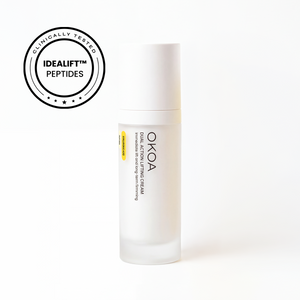 Dual Action Lifting Cream$61.90 or $44.88/moShop now
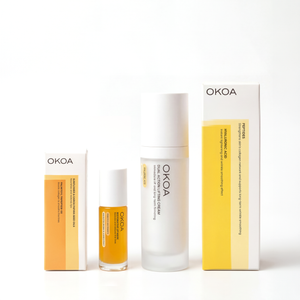 Lift & Restore set$81.90 for bothShop now
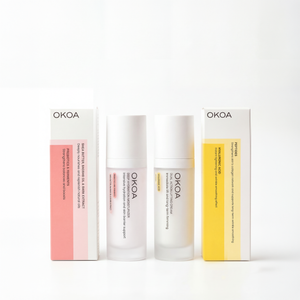 Hydrate & Lift set$81.90 for bothShop now
FAQ
Does radiofrequency skin tightening really work?
It can, for the right person.
Radiofrequency skin tightening may improve the appearance of firmness, fine lines, and mild to moderate laxity. It does not replace surgery or correct significant structural sagging.
How long does radiofrequency skin tightening last?
Results usually last months rather than permanently.
Longevity depends on the device, treatment plan, age, baseline laxity, and maintenance. Many people need follow-up treatments to preserve results.
Is radiofrequency skin tightening safe for the face and neck?
It is generally safe when performed appropriately by a qualified provider.
That said, it is not risk-free. Side effects can include redness, swelling, tenderness, and, less commonly, burns, pigment changes, or unwanted fat loss.
Can radiofrequency skin tightening melt facial fat?
In some cases, unwanted fat loss is a reported risk.
This is one reason treatment depth, settings, anatomy, and provider judgment matter. The risk is not universal, but it is worth discussing during consultation, especially in thinner faces.
Is radiofrequency skin tightening at home worth it?
It can be worth it if your expectations are modest.
At-home RF devices are usually gentler and slower than in-office treatments. They may work best as a maintenance tool or a mild-support option rather than a substitute for professional treatment.
How do I find the best radiofrequency skin tightening near me?
Start with the provider, not the ad.
Ask what device they use, how often they treat your area of concern, what they recommend for your skin type, how many sessions they expect, what risks they discuss openly, and whether their before-and-after photos reflect realistic outcomes. A careful consultation is usually a better sign than aggressive sales language.
Read more
Learn how microneedling helps tighten skin and what results to expect.Understand when it improves firmness, texture, and fine lines.Find out who it works best for and where its limits star...
Learn what ultrasound skin tightening can actually improve, and what it can’t. A non-invasive treatment that targets deeper tissue to support collagen and gradual firmness. Results are sub...