


Last updated October 25, 2026
What changed
- Added the full editorial byline, with Okoaskin Triple Action Microinfusion pricing and guarantee restated in full.
- Reverified the Okoaskin Triple Action Microinfusion ingredient list against the product page.
Does microneedling tighten skin?
Yes, microneedling can improve the appearance of mild skin laxity and crepey texture.
But it is not a substitute for surgery, and it does not create the kind of lift people usually mean when they are dealing with significant sagging.
That distinction matters. Microneedling is best understood as a collagen-supporting treatment that can make skin look firmer, smoother, and more even over time. It can help with early to moderate firmness loss, fine lines, acne scars, and texture changes. It may also have a role after weight loss or pregnancy when looseness is still mild and mainly textural.
What it does not do is tighten deeper tissues the way a facelift or some energy-based procedures can.
It also does not work instantly. Any real improvement from microneedling for skin tightening tends to build gradually over weeks to months, often after a series of treatments rather than a single session.
What skin tightening actually means
When most people search for skin tightening, they are not all asking the same question.
Some want firmer-looking skin. Some want less crepey texture. Some want smoother fine lines. Others are hoping to lift deeper sagging along the jawline, neck, or body.
Microneedling can sometimes help with the first three. It is much less effective for the last one. Deeper sagging calls for non-surgical facelift options that replace lost volume or create a modest tightening effect.
A useful way to think about it is this: microneedling can improve skin quality. It does not meaningfully reposition deeper sagging tissue.
Where microneedling helps most
Microneedling tends to make the most sense on areas where the goal is better texture, softer fine lines, acne scar improvement, and modest firming. The choice of microneedling vs skin tightening cream comes down to intensity: microneedling is a procedure that triggers the skin's repair response, while a cream supports the skin from the surface every day.
Common treatment areas include the face, jawline, and neck.
Body areas also come up often, especially microneedling for the stomach, arms, and above-the-knee skin. In those areas, it may help when looseness is mild and the main issue is crepiness or early laxity rather than excess hanging skin.
How microneedling works for skin tightening
Microneedling works by creating controlled micro-injuries in the skin with very fine needles.
That sounds dramatic, but the purpose is measured injury, not damage for its own sake. The skin responds with a wound-healing cascade that can stimulate collagen and elastin production over time. This is the basic reason microneedling is used for acne scars, fine lines, and texture concerns, not just for tightening.
As collagen remodeling develops, skin may look firmer and feel smoother. Fine lines can soften. Pore appearance may look less obvious. Texture can become more even.
The key word is may. Results vary by age, treatment depth, baseline laxity, the area being treated, and whether the treatment plan is aggressive enough to match the concern. Published medical literature generally supports microneedling for collagen remodeling and visible texture improvement, but the effect size for true laxity is usually modest compared with stronger in-office options.
Collagen and elastin take time to change
Collagen remodeling is slow.
After a microneedling session, you may notice some short-term plumping from swelling and increased hydration in the skin. That is not the same thing as long-term tightening.
The more meaningful change happens later, as the skin moves through repair and remodeling. This is why visible improvement often starts to build after multiple sessions, with fuller results appearing over several weeks or months.
That timeline is normal. Microneedling is not an instant-tightening treatment.
Standard microneedling vs RF microneedling
Standard microneedling relies on mechanical injury alone.
RF microneedling combines needles with radiofrequency energy, which delivers heat into deeper layers of the skin. That added heat can increase dermal remodeling and is often considered the stronger option when laxity is part of the goal.
In practical terms, standard microneedling is often a better fit for texture, acne scars, fine lines, and mild firmness loss.
RF microneedling is usually the more appropriate conversation when someone wants tighter-looking skin and has mild to moderate laxity.
RF also tends to come with a different downtime profile and should be treated as a more intensive procedure. It is not automatically better for everyone. It is simply a different tool with a different use case.
What microneedling before and after photos can and cannot show
Before and after photos can be helpful, but they are easy to overread.
Lighting, camera angle, facial expression, and short-term swelling can all make skin look tighter than it really is. Immediately after treatment, skin may appear smoother and fuller because of temporary inflammation and water retention.
That is why the most useful photo comparisons are taken in the same lighting, with the same angle, and several weeks after treatment rather than the next day.
Photos can show improvement. They cannot always tell you how much of that improvement is true collagen remodeling versus temporary plumping.
Who is a good candidate for microneedling for skin tightening
The best candidate is usually someone with mild laxity, early crepey texture, fine lines, acne scarring, or skin that looks less firm without significant hanging skin.
This is where microneedling tends to be most realistic and most useful.
Skin tone also affects treatment selection. In clinics, microneedling is often considered across a wide range of skin tones because it is generally less pigment-disruptive than some resurfacing approaches, especially when compared with certain lasers. That does not make it risk-free, but it is one reason it comes up often in more diverse patient groups.
Body searches are common too. People often ask about microneedling on the stomach, arms, or neck. Those areas can respond, but expectations need to stay grounded. Thin, crepey, mildly lax skin is one thing. Significant excess skin is another.
People with active infection, open wounds, certain inflammatory skin conditions, or a history of abnormal healing should pause and get medical guidance before treatment.
If you are pregnant, nursing, or managing a diagnosed skin condition, check with your dermatologist or treatment provider before starting in-office procedures.
Face neck and body do not give identical results
The face usually responds differently than the body.
The neck has thinner, often more reactive skin. The stomach may have more stretched tissue after weight changes or pregnancy. Arms can involve a mix of crepiness, fat distribution, and deeper laxity.
So while the same procedure can be used in multiple areas, results are not interchangeable. The stomach in particular is a common area where people expect lifting when the treatment may only offer mild textural improvement.
When a consultation matters most
A consultation matters most when sagging is more than skin deep.
If the issue involves deeper folds, jowling, platysmal banding, stretched tissue after major weight loss, or laxity related to muscle and fat changes, microneedling may not be the right tool.
That does not mean nothing can help. It means the assessment needs to match the problem.
What results to expect and how many sessions
Most people need a series of treatments before judging whether microneedling for skin tightening is working.
A single session may give the skin a fresher look for a short time, but it rarely tells the full story.
Early on, you may see redness, mild swelling, and a temporary glow. Later, if the treatment is working for your skin and your concern is a good fit, you may notice gradual improvement in texture, crepiness, and firmness over the following weeks.
That is the upside.
The limitation is just as important: microneedling may improve the appearance of mild laxity, but it will not remove excess skin, lift significant jowling, or replace surgical tightening.
And results are not permanent. Skin keeps aging. Collagen loss continues. Maintenance is often part of the long-term plan.
How many sessions are usually needed?
Treatment plans vary, but one session is rarely enough to judge skin tightening fairly.
The number of sessions depends on age, treatment area, baseline laxity, scar burden, healing response, and whether standard or RF microneedling is used.
That is why a provider who promises a dramatic result from one appointment should raise questions, not confidence.
Does microneedling tighten skin after weight loss or pregnancy?
Sometimes, but only within limits.
If the concern is mild textural looseness or early crepiness, microneedling may help the skin look smoother and somewhat firmer.
If the skin has been significantly stretched and there is moderate to severe laxity, the ceiling is lower. In those cases, microneedling may improve skin quality without meaningfully changing the amount of loose skin present, and while firming creams can help support hydration and surface texture, they are unlikely to address deeper structural laxity.
What microneedling cannot do
Microneedling cannot recreate lost structural support.
It cannot remove hanging skin.
It cannot match the lifting effect of surgery or deeper energy-based treatments when laxity is advanced.
That is not a criticism of the procedure. It is simply the right boundary for what a collagen-remodeling treatment can realistically achieve.
Safety downtime and how microneedling compares
After microneedling, it is common to have redness, sensitivity, warmth, and temporary tightness.
Some people also notice dryness or mild flaking as the skin recovers. Gentle skincare and strict sun protection matter here. A disrupted barrier plus UV exposure is not a good combination.
Brief side effects are common. Severe pain, increasing swelling, signs of infection, or a rash that worsens instead of settling deserve a call to your provider or dermatologist.
Compared with other tightening options, standard microneedling usually sits in the middle. It is more intensive than a basic facial, but less aggressive than many laser resurfacing treatments. RF microneedling is typically a step up in intensity when the goal includes laxity.
Microneedling vs RF microneedling for skin tightening
If your main goal is texture refinement, mild acne scarring, and early firmness loss, standard microneedling may be enough.
If loose skin is a more central concern, RF microneedling is often the better question to ask.
That is because standard microneedling relies on controlled injury alone, while RF adds heat-based dermal remodeling. For mild to moderate laxity, that added mechanism can matter.
The tradeoff is that RF is usually more intensive, often more expensive, and may involve a slightly different recovery experience.
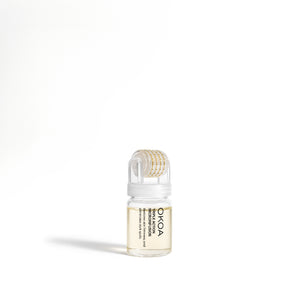
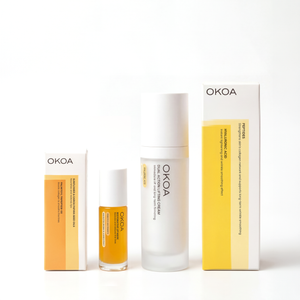
If you are not ready for in-office treatments, an at-home Microinfusion roller and a daily peptide firming cream are a less invasive starting point, and they work on different schedules rather than competing: the roller is a fortnightly treatment, the cream is the other thirteen days. Be clear about what each one does: the roller improves how well a serum is absorbed, and the cream works on surface quality and the look of firmness. Neither creates the controlled injury that drives collagen remodeling in a clinic session, so treat them as a different job rather than a cheaper version of the same one.
How to choose the right treatment for your level of laxity
For mild surface changes, microneedling may be a reasonable fit.
For deeper sagging, heavier jowling, or more obvious post-weight-loss laxity, it usually makes sense to discuss stronger in-office alternatives rather than expecting microneedling to do a job it is not built to do.
This is the most useful framework: match the treatment to the level of laxity, not the marketing promise.
Aftercare basics that protect your results
Keep aftercare simple.
Use gentle cleansing, barrier-supportive skincare, and daily sun protection. Avoid overloading the skin with strong actives right away, especially exfoliating acids, retinoids, or anything that stings on compromised skin.
And do not judge your final result too early. The first few days are recovery. The real evaluation happens later.
Once the skin has settled, the between-sessions routine is what carries the result. A daily peptide firming cream is the low-irritation option for that stretch: it supports the look of firmness without the exfoliating acids and retinoids you are meant to avoid on recently treated skin.
FAQ
Does microneedling tighten skin or just improve texture?
It can do both, but the tightening effect is usually modest. Microneedling is strongest for texture, fine lines, acne scars, and mild crepiness. It may improve the appearance of mild laxity, but it does not create significant lift.
How many microneedling sessions do I need for skin tightening?
Most people need a series of sessions rather than one treatment. The exact number depends on the area treated, your baseline laxity, your age, and whether RF microneedling is being used.
Is RF microneedling better than regular microneedling for loose skin?
Often, yes. RF microneedling is usually the stronger option for mild to moderate loose skin because it combines needling with heat-based dermal remodeling. Standard microneedling is usually better positioned for texture and scars with milder firming expectations.
Can microneedling help tighten stomach skin after weight loss?
It may help mild textural looseness or crepiness. It is much less likely to make a meaningful difference when there is moderate to severe excess skin after major weight loss.
How long does it take to see microneedling before and after results for firmness?
You may notice a temporary glow or plumping early, but firmer-looking skin usually takes weeks to months. This is because collagen remodeling is delayed and often builds after multiple sessions.
What are the risks and downtime with microneedling for skin tightening?
Common downtime includes redness, sensitivity, tightness, and mild dryness for a short period after treatment. Risks can include irritation, infection, and pigment changes, especially if aftercare is poor or the treatment is not appropriate for your skin.
What is the Okoaskin Triple Action Microinfusion and what is in it?
The Okoaskin Triple Action Microinfusion is Okoaskin's at-home microinfusion system, and Matrixyl 3000 and 4-Butylresorcinol are the hero actives in it. The Okoaskin Triple Action Microinfusion is $99.96 on subscription and $114.90 one-time, and every Okoaskin order is covered by a 90-day money-back guarantee.
Read more
Learn what skin tightening creams actually do, and where they fall short.Understand which ingredients improve firmness and when results are realistic.Find out how to choose a lifting cream that’s a...
Learn what radiofrequency skin tightening actually does & where it falls short. A non-surgical treatment that can improve mild laxity, texture, and firmness over time. Results are subt...