


Last updated October 25, 2026
What changed
- Added the IDEALIFT (acetyl dipeptide-1 cetyl ester) study result on jowl sagging to the peptide section and FAQ.
- Updated what to look for in a skin tightening cream for the face and neck.
- Updated the guidance on pairing a cream with in-office treatment for advanced laxity.
What creams for skin tightening can really do
Skin tightening creams work on two timelines: a tightening base makes skin look smoother and firmer on application, and ingredients such as peptides support firmer-looking skin over the following weeks. Plenty of products overpromise, so the formula matters more than the label.
Well-formulated creams for skin tightening visibly improve firmness, smoothness, hydration, and the look of mild laxity, and help skin look bouncier and less crepey. For advanced laxity, in-office procedures work at a deeper level.
That distinction matters on the face, neck, and body, and it is why a firming cream for the face and neck needs more than moisture alone.
Facial skin may respond well to well-formulated peptides, retinoids, hydrators, and antioxidants, especially when concerns are still mild. The neck is thinner and often more sensitive, so the same active that works well on the face may need a gentler approach there. Body skin usually needs richer textures and larger-format formulas, but post-pregnancy or post-weight-loss looseness can involve deeper structural changes that call for more than a cream. A face tightening cream can make skin look smoother and a little more taut right away, while peptides and retinoids need consistent use over weeks.
So the framework for judging these products is fairly simple. Focus on ingredients, formulation quality, consistency, and the severity of laxity. Hype and price matter much less.
Do creams for skin tightening actually work?
Yes. Well-formulated creams for skin tightening visibly improve firmness and smoothness, and results depend on the ingredients, the formula, and how advanced the sagging is.
When a skin tightening cream helps most
These creams tend to help most when the concern is still in the early or surface-level stage.
That includes mild facial laxity, crepey texture, dehydration, early fine lines, and skin that has lost some bounce after stress, sun exposure, or age-related collagen decline.
They can also be worth trying after weight loss if the looseness is mild rather than pronounced. In that setting, hydration and barrier support may improve how the skin looks, while peptides or retinoids may support gradual improvement over time.
When to add in-office treatment
If you are dealing with moderate to severe sagging, deeper structural laxity, hanging skin, or significant looseness after major weight loss or pregnancy, in-office treatments or surgery work at a different level, and a cream keeps supporting skin quality alongside them.
How skin tightening creams work and which ingredients matter most
Skin firmness depends on more than one thing.
Collagen helps give skin structure. Elastin contributes stretch and recoil. Hydration affects how plump or crepey the surface looks. Barrier health influences smoothness and resilience. Years of UV exposure can gradually break down collagen and elastin, which is one reason skin often starts to look less firm over time.
That is why different firming creams work in different ways.
Some create a quick, temporary improvement by increasing hydration and reducing surface roughness. Others aim for slower, cumulative change by supporting collagen-related activity or improving overall skin quality over 8 to 12 weeks.
It also helps to clear up one common myth. Topical collagen is not the same thing as rebuilding your own collagen. Collagen molecules in a cream mainly sit at the surface and act as moisturizers. They do not replace the collagen your skin makes for itself.
Peptides for gradual firming support
Peptides are one of the most useful categories in creams for skin tightening.
These ingredients may support collagen-related activity in the skin, which is why they are often used in formulas targeting firmness and fine lines. In a two-month placebo-controlled study by Sederma (Croda Beauty), 26 women using a 4% IDEALIFT (acetyl dipeptide-1 cetyl ester) cream measured 11% less jowl sagging, and over 80% reported firmer-looking skin. That study is reported in Sederma's IDEALIFT technical bulletin, and the ingredient is listed on Croda Beauty's IDEALIFT page.
The tradeoff is speed.
Peptides are not usually dramatic overnight ingredients. They make more sense for steady, cumulative support with consistent use.
Retinoids for texture and long-term skin quality
Retinoids remain one of the most established ingredient categories for improving skin texture, fine lines, and overall skin quality.
They support cell turnover and are associated with collagen-related changes over time. That makes them useful when skin tightening concerns overlap with wrinkles, rough texture, and photodamage.
But they need to be used carefully.
The neck is more sensitive than the face, with thinner skin and fewer oil glands. A retinoid that your face tolerates well may be too strong for your neck. If you use one there, start with a lower strength, fewer nights per week, and a supportive moisturizer.
If you are pregnant, nursing, or managing a diagnosed skin condition, check with your dermatologist before starting stronger active ingredients.
Hydrators and barrier-support ingredients that improve crepey texture fast
Not every improvement in firmness is structural.
Sometimes what people describe as loose skin is partly dehydrated, rough, or barrier-impaired skin. In those cases, humectants and barrier-support ingredients can make a visible difference quickly.
Hydrators such as hyaluronic acid, glycerin, ceramides, and nourishing oils help draw in moisture, reduce water loss, and smooth the skin surface. That can make crepey texture look softer and improve the appearance of plumpness.
These ingredients do not create true lifting. But they do improve the look and feel of the skin, which is often what the reader actually wants.
Antioxidants and tone-support ingredients
Antioxidants and tone-support ingredients matter too.
Vitamin C helps defend against oxidative stress and may support brighter, healthier-looking skin. Niacinamide supports barrier function and can help with uneven tone and overall resilience.
Neither is a lifting ingredient in the strict sense. But brighter, smoother, more even-toned skin often makes laxity appear less noticeable.
That is why the best creams for skin tightening usually do more than chase one mechanism.
How to choose a skin tightening cream for face neck or body
Ingredient knowledge only helps if you can turn it into a smart purchase.
When comparing products, look at the active ingredients, the texture, how likely you are to use it consistently, how well it fits your skin type, and whether the brand is clear about what the product is designed to do.
That matters more than whether the jar says lifting, sculpting, or age-defying.
A skin tightening cream for face concerns usually needs to layer well with the rest of a routine. A best skin tightening cream for face use case may be lightweight enough for daytime or rich enough for nighttime, depending on the reader. A skin tightening cream for tummy or body concerns often needs a richer formula and better value by volume.
What to look for in a skin tightening cream for face
For the face, look for a formula that combines firming support with everyday usability.
That often means peptides or a retinoid-adjacent strategy, antioxidant support, nourishing oils and barrier-support ingredients, and a texture that sits well under sunscreen or makeup if used during the day.
If the product feels elegant enough to use consistently, that matters. A strong formula that sits untouched on a shelf does not help.
What to look for in a cream for the neck and jawline
For the neck and jawline, gentleness matters more.
This area is more prone to irritation, dryness, and visible creasing. Look for formulas that support hydration and barrier function while offering gradual firming support. Topical products help with horizontal neck lines, mild crepiness, and early laxity.
Consistency matters here more than intensity.
What to look for in a skin tightening cream for tummy and arms
Body skin usually benefits from richer textures and larger-format products.
A body firming cream should spread easily, feel substantial enough for drier skin, and be affordable enough to use over larger areas like the stomach, arms, or legs. If a formula is too expensive to apply consistently, it may not be practical.
It is also important to set expectations early. Mild laxity may look better with hydration and steady use of active ingredients. More significant looseness after pregnancy or major weight loss often goes beyond what a cream can meaningfully change.
Red flags and overblown claims to ignore
Some claims are useful signals to walk away.
Be cautious with phrases like instant facelift, rebuilds lost collagen overnight, replaces Botox, or tightens loose skin permanently. Those claims usually overstep what topical skincare can realistically do.
Another red flag is vagueness.
If a brand talks endlessly about transformation but says very little about the actual active ingredients, the formula, or realistic timelines, that is not a good sign.
Best creams for skin tightening by use case
There is no single best product for everyone.
The better question is which type of formula fits your concern, your skin, and your expectations. Some products are better for mild facial laxity. Others make more sense for sensitive skin, neck care, or body use.
Best skin tightening cream for face if you want immediate smoothing plus long-term support
If your main goal is early facial laxity and you want both immediate cosmetic improvement and longer-term support, lifting creams can be a practical starting point because some formulas are designed to offer surface-level tightening alongside gradual skin-quality support over time.
The Okoaskin Dual Action Lifting Cream uses the IDEALIFT (acetyl dipeptide-1 cetyl ester) peptide in a dual-action approach: an immediate visible smoothing effect at the surface, alongside support for firmer-looking skin that builds over weeks.
It pairs the IDEALIFT peptide with hyaluronic acid, green tea antioxidant, aloe vera, and jojoba and calendula oils. That mix makes sense for readers who want firmness support without giving up hydration and comfort.
Where the Okoaskin cream fits for early facial laxity
Okoaskin makes the most sense for a specific use case.
It is built for readers who want a visible lift effect now, plus longer-term peptide-driven support for skin that is starting to look less firm.
The 90-day money-back guarantee is meaningful here.
Firming results take weeks of consistent use to judge, and the guarantee covers the full two months the IDEALIFT study ran, with time left over to decide.
At the time of writing, the listed price is $61.90 for a one-month supply or $44.88 per month with subscription savings.
Buy it if you want an immediate visible smoothing effect with longer-term peptide firming support in the same cream.
Consider other options if you want a prescription retinoid pathway or a body cream for larger areas.
When another type of formula fits better
Another category may be stronger depending on the goal.
If you want the most established topical route for texture and fine lines, a retinoid-based formula may be the better fit. If you are shopping for tummy, arm, or thigh use, a body-focused firming lotion is usually more practical than using a premium face cream over large areas.
This is where careful matching matters more than brand loyalty.
How to use creams for skin tightening for the best results
A good cream helps. The routine around it matters just as much.
Consistency, daily sunscreen, enough moisturization, and patience all influence whether you actually see improvement. Many people switch products too quickly or judge a formula before it has had time to do its job.
How long creams for skin tightening take to work
Some results show up quickly.
Hydration-based plumping and smoother surface texture can appear within days or even after the first few uses, especially if the skin was dehydrated to begin with.
Firmness changes take longer.
If the formula relies on peptides or retinoid-related support, give it at least 8 to 12 weeks of consistent use before deciding whether it is helping.
The simple routine that makes a tightening cream more effective
Keep the routine simple enough to sustain.
Morning: cleanse if needed, apply your firming cream if it suits daytime use, then finish with sunscreen on the face, neck, and chest.
Evening: cleanse, use a targeted treatment if you already tolerate one such as a retinoid on alternating nights, then apply your firming cream.
If your skin is sensitive, avoid piling on too many strong actives at once. A calm, consistent routine usually works better than an aggressive one.
Signs your cream is helping and signs it is not enough
A cream is probably helping if your skin looks smoother, feels more hydrated, shows less crepey texture, and gradually appears firmer or more resilient over time.
The first change is a smoother, tighter look on application, and firmness builds over the following weeks.
It may not be enough if the main issue is deeper sagging, hanging skin, pronounced neck banding, or laxity that has not changed at all after a fair trial period. In that case, it may make more sense to talk with a dermatologist about procedural options instead of cycling endlessly through new jars.
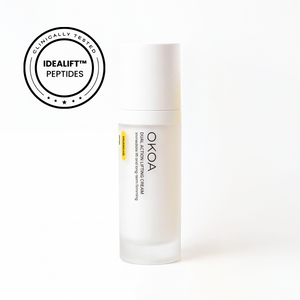 Dual Action Lifting Cream$61.90 or $44.88/moShop now
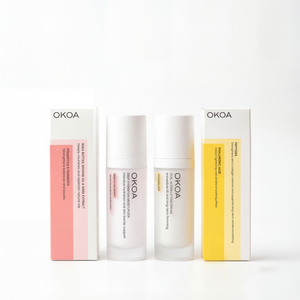 Hydrate & Lift set$81.90 for bothShop now
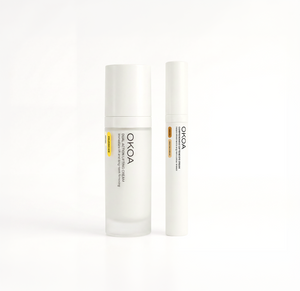 The Double Lift set$79.90 for bothShop now
FAQ
Do creams for skin tightening really work?
Yes.
They can improve the appearance of mild laxity, crepey texture, smoothness, and hydration. For significant structural sagging, pair them with in-office treatment.
What is the best skin tightening cream for face concerns?
The best option depends on the use case.
For early facial laxity, a formula with peptides, barrier support, and antioxidant benefits is often a strong fit. If you want immediate visible smoothing plus longer-term peptide support in one product, Okoaskin Dual Action Lifting Cream is built for that. If your main focus is stronger long-term resurfacing and wrinkle support, a retinoid-based product may be the better route.
For a closer look at how lifting creams work and what to expect from them, see Okoaskin's full breakdown.
Can a skin tightening cream for tummy skin help after weight loss or pregnancy?
Yes, for mild laxity.
A cream may improve hydration, crepey texture, and mild laxity. If the looseness is significant or involves excess skin, pair skincare with in-office treatment.
How long does it take to see results from a skin tightening cream?
Hydration-based improvements can show up quickly, often within days.
More gradual firmness support usually takes 8 to 12 weeks of consistent use, sometimes longer depending on the formula and the severity of the concern.
What ingredients should I look for in the best creams for skin tightening?
Look for ingredients that match the job.
Peptides can support gradual firming. Retinoids can improve texture and long-term skin quality. Hyaluronic acid, often included in skin firming creams, along with nourishing oils and barrier-support ingredients, helps with plumpness and crepey texture. Vitamin C and niacinamide support overall skin tone and resilience.
Can I use my face cream on my neck and chest?
Often, yes.
But the neck is more sensitive than the face, so stronger formulas, especially retinoids or exfoliating acids, may need a slower approach. If your face cream is gentle, hydrating, and well tolerated, it may work well on the neck and chest too.
What is the Okoaskin Dual Action Lifting Cream and what is in it?
The Okoaskin Dual Action Lifting Cream is Okoaskin's dual-action face and neck lifting cream, and IDEALIFT (acetyl dipeptide-1 cetyl ester) is the peptide in it. 80% of participants reported firmer-looking skin in a two-month, placebo-controlled study at IDEALIFT-maker Sederma, where jowl sagging also measured 11% less. The Okoaskin Dual Action Lifting Cream is $44.88 on subscription and $61.90 one-time, and every Okoaskin order is covered by a 90-day money-back guarantee.
Read more
✓ Expert Reviewed Written ByAshley MangtaniContent Writer Reviewed ByLindi GraceR&D Cosmetic Chemist Last updated October 25, 2026 What changed Added the IDEALIFT (acetyl dipe...
Learn how microneedling helps tighten skin and what results to expect.Understand when it improves firmness, texture, and fine lines.Find out who it works best for and where its limits star...