


Last updated October 26, 2026
What magnesium aluminum silicate does for skin
Magnesium aluminum silicate is a purified clay mineral that skincare uses to thicken, stabilize and smooth formulas. It gives creams and masks their body, keeps powders and pigments evenly mixed, helps a product spread in a thin, even layer and leaves a soft, less shiny finish. In instant-tightening creams it also works alongside sodium silicate, keeping the formula even so the tightening film sets smoothly.
The Cosmetic Ingredient Review (CIR) Expert Panel reviewed magnesium aluminum silicate with related silicate minerals in 2003 and concluded these ingredients are safe as currently used in cosmetics. It is the fourth ingredient in our Dual Action Lifting Cream, where it supports the film that tightens the look of the face and neck within minutes.
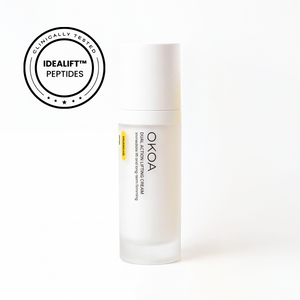 Dual Action Lifting Cream$61.90 or $44.88/moShop now
 Deep Hydration Moisturizer$29.90 or $24.91/moShop now
 Caffeine Eye Cream$44.90Shop now
What is magnesium aluminum silicate?
Magnesium aluminum silicate is a smectite clay, a mineral made of tiny flat plates of silica, magnesium and aluminum. It is mined and then purified for cosmetic use. In water the plates stack edge to face into a loose, three-dimensional network, often described as a house of cards, which turns a thin liquid into a smooth gel.
That network gives formulas a useful quality: they stay thick in the jar and thin out as you spread them, then thicken again on the skin. It is why the same ingredient shows up in such different products. Most formulas use it at roughly 0.5% to 3%, with higher amounts in masks.
What does magnesium aluminum silicate do for skin?
Its benefits show up in how a product looks and feels on your skin. A formula with magnesium aluminum silicate spreads evenly, does not separate between uses and dries to a smooth, soft-matte finish. For oily or combination skin, that finish is a real plus, because the clay absorbs some surface oil and cuts shine.
In tightening creams its role is more visible. Sodium silicate forms the film that tightens the look of skin, and magnesium aluminum silicate holds the formula together so that film sets in a thin, even layer instead of streaking. Sodium silicate has been assessed as safe in its own CIR review as well. A face lift without surgery covers everything from injectables and radiofrequency devices to at-home tools, and an instant-tightening cream gives a lifted look at home.
Which skin types notice it most
Oily and combination skin tends to like it most, especially in masks and mattifying products. Dry skin depends on the rest of the formula: in a cream rich in humectants such as glycerin, the clay simply adds texture, while in a strong clay mask it can leave dry skin feeling tight. If a product feels drying, follow it with a moisturizer or use it less often.
Is magnesium aluminum silicate safe for skin?
Yes. The CIR Expert Panel concluded in 2003 that magnesium aluminum silicate is safe as currently used in cosmetics. In the animal tests behind that conclusion it caused no cumulative skin irritation in guinea pigs, at most weak irritation in rabbits and only minimal eye irritation. Its one caution was about inhalation: sprays containing these powders should be formulated so the particles are not breathed in, which does not apply to creams and lotions.
Irritation from a finished product more often comes from fragrance, preservatives or strong actives than from the clay. If you react to a product, look at the full ingredient list before blaming magnesium aluminum silicate, and test new products on a small area first.
Does magnesium aluminum silicate contain aluminum?
Yes, aluminum is part of the mineral's structure, bound together with magnesium, silicon and oxygen in the clay's crystal plates. That is a different form from the aluminum salts in antiperspirants, which dissolve in sweat and temporarily plug sweat ducts. The aluminum in magnesium aluminum silicate stays locked inside the mineral, and the CIR's safety conclusion covers it as used in cosmetics.
Does magnesium aluminum silicate cause cancer?
No evidence links magnesium aluminum silicate in skincare to cancer. The CIR reviewed its toxicology and found it safe as used in cosmetics. Search results that raise the question usually mix it up with inhaled mineral fibers or with talc, which the CIR reviewed separately because its crystal structure is different.
Magnesium aluminum silicate in our Dual Action Lifting Cream
Our Dual Action Lifting Cream lists sodium silicate second, right after water, and magnesium aluminum silicate fourth. Together they form the tightening film that smooths the look of the face and neck within minutes of applying. The firming half of the formula is 4% IDEALIFT (acetyl dipeptide-1 cetyl ester), a peptide from Sederma (Croda Beauty), with hyaluronic acid, aloe vera and green tea for hydration.
In Sederma's two-month, placebo-controlled study of IDEALIFT at the same 4% level, 26 women with a mean age of 62 saw the jowl area measure 11.3% more lifted, and more than 80% reported firmer-looking skin. That study is reported in Sederma's IDEALIFT technical bulletin, and the ingredient is listed on Croda Beauty's IDEALIFT page. Apply a thin layer to clean, dry skin and let it set for a minute or two before makeup. The firming cream is $61.90, or $44.88 a month on subscription, with a 90-day money-back guarantee. A peptide-led firming cream is the anti-aging cream category for skin that looks looser through the cheeks, jawline or neck.
How to read it on an ingredient list
Its position tells you its job. Near the end of a long list, magnesium aluminum silicate is a texture helper and you can judge the product on its other ingredients. Near the top, next to sodium silicate, it is part of an instant-tightening system, and the product will give a visible smoothing effect that lasts for hours. For firmness that builds, look for a peptide or a retinoid further down the same list. As a group, peptides for skin tightening are short chains of amino acids that may help the skin support its own structure over time.
Dual Action Lifting Cream$61.90 or $44.88/moShop now Hydrate & Lift set$81.90 for bothShop now
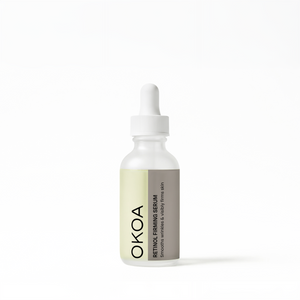 Retinol Firming Serum$44.90Shop now
FAQ
What is magnesium aluminum silicate in skincare?
It is a purified clay mineral that thickens and stabilizes skincare formulas, keeps powders and pigments evenly mixed and gives a smooth, soft-matte finish. In tightening creams it works with sodium silicate to help the tightening film set evenly.
Is magnesium aluminum silicate safe for skin?
Yes. The Cosmetic Ingredient Review Expert Panel concluded that magnesium aluminum silicate and related silicate minerals are safe as currently used in cosmetics. In animal tests it was at most a weak skin irritant.
Does magnesium aluminum silicate have aluminum in it?
Yes, aluminum is bound into the mineral's crystal structure. It is a different form from the dissolving aluminum salts used in antiperspirants, and the CIR safety conclusion covers it as used in cosmetics.
Does magnesium aluminum silicate cause cancer?
No evidence links it to cancer in skincare. The CIR found it safe as used in cosmetics; its only caution was to formulate sprays so the powder is not inhaled.
Is magnesium aluminum silicate good for oily skin?
Yes. The clay absorbs some surface oil and leaves a soft-matte finish, which is why it is common in masks, mattifying products and mineral sunscreens.
Why is magnesium aluminum silicate in tightening creams?
It thickens the formula so the sodium silicate film goes on in a thin, even layer. That combination gives the instant smoothing effect, and our Dual Action Lifting Cream pairs it with 4% IDEALIFT for firmness over weeks.
Read more
✓ Expert Reviewed Written ByAshley MangtaniContent Writer Reviewed ByLindi GraceR&D Cosmetic Chemist Last updated October 26, 2026 Bakuchiol benefits and side effects compared with...
✓ Expert Reviewed Written ByAshley MangtaniContent Writer Reviewed ByLindi GraceR&D Cosmetic Chemist Last updated October 26, 2026 What does Matrixyl 3000 do for skin? Benefits and...