
What Does Glycerin Do for Skin?
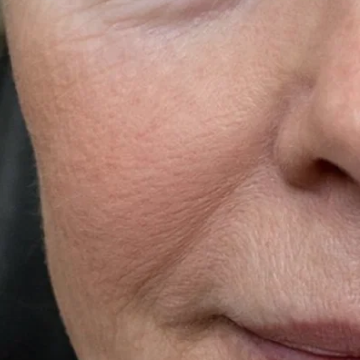


Last updated October 1, 2026
What changed
- Updated the design and added product picks with glycerin high on the label.
- Added our writer and R&D chemist review details.
- Reviewed with our R&D cosmetic chemist for accuracy.
What is glycerin?
Glycerin, also called glycerol, is a colorless, odorless ingredient widely used in skincare and personal care products.
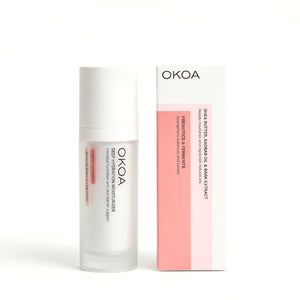 Deep Hydration Moisturizer$29.90 or $24.91/moShop now
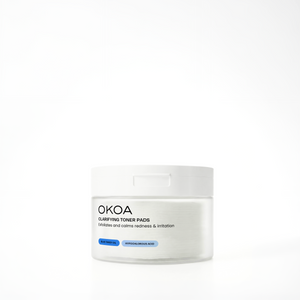 Clarifying Toner Pads$47.90Shop now
 Glycolic Daily Cleanser$29.90Shop now
In cosmetic formulas, its main job is simple. It acts as a humectant, which means it helps attract water into the outermost layer of the skin.
You will find glycerin in cleansers, toners, serums, creams, hand lotions, body products, and even some makeup. It can be plant-derived or synthetically produced, but in skincare the more important question is usually not where it came from. It is how well the full formula is built.
What does glycerin do for skin?
At a practical level, glycerin helps draw water into the stratum corneum, which is the outer layer of the skin. That is why it is so often used to reduce the feeling of dryness, tightness, and roughness.
This is also why glycerin shows up across almost every price point. You will see it in basic drugstore moisturizers and in more premium formulas because it works, it plays well with other ingredients, and it improves the feel of a product without needing dramatic marketing claims.
The short-term benefit is hydration. Skin often feels softer and more comfortable fairly quickly.
The longer-term benefit, with consistent use, is better support for the skin barrier environment. Well-hydrated skin tends to feel less reactive, less tight, and more resilient within a routine.
Why dermatologists and formulators use it so often
Glycerin has a few advantages that make it unusually versatile.
First, it is broadly compatible. It works well with ingredients commonly used for barrier support and hydration, including ceramides, hyaluronic acid, niacinamide, and richer emollients.
Second, it has a relatively low irritation profile for most people. No ingredient is universal, but glycerin is generally considered one of the more tolerable hydrating ingredients in topical skincare.
Third, it improves formula performance. It can make cleansers feel less stripping and moisturizers feel more comfortable and effective. That matters. A good skincare product is not just about the headline ingredient. It is also about how the full formula behaves on skin day after day.
The main benefits of glycerin for skin
The strongest case for glycerin is not that it is trendy or multifunctional. It is that it does the basics very well.
Its core cosmetic benefits are better hydration, softer-feeling skin, less tightness, and improved support for the skin barrier. When skin has enough water in its outer layer, it usually looks smoother and more supple too.
That visible improvement comes from water binding. It does not mean glycerin is changing deeper facial structure or rebuilding collagen.
This is where the evidence is strongest. Glycerin is well supported as a hydrating and barrier-supportive ingredient. Claims around anti-aging, healing, or brightening need more careful framing. It may help skin look healthier and less dull, but that is not the same thing as treating pigment disorders, repairing significant laxity, or reversing wrinkles.
Hydration and moisture retention
Glycerin attracts water into the stratum corneum.
That helps relieve dehydrated-feeling skin and can reduce the rough, papery texture that often comes with dryness. If your skin feels tight after cleansing or looks dull and slightly creased by the end of the day, glycerin can help address that surface dehydration.
It is especially useful because hydration is not just about comfort. The outer skin layer works better when it has enough water.
Barrier support and comfort
Better hydration supports barrier function.
When the skin barrier is struggling, skin often feels tight, flaky, easily irritated, or both oily and dehydrated at the same time. Glycerin does not rebuild the barrier by itself in the same way lipid-replenishing ingredients do, but it helps create the conditions for the barrier to function more comfortably.
That can mean less flaking, less post-cleansing tightness, and better tolerance of the rest of your routine.
This is one reason glycerin works well in products designed for dry, mature, or sensitive-leaning skin.
Texture, plumping, and visible smoothness
Glycerin can make skin look smoother and temporarily more plump because hydrated skin reflects light better and shows less surface roughness.
It may also soften the appearance of fine dehydration lines. Those are the shallow lines that become more visible when skin is dry.
That is useful, but it is important to keep it in proportion. This is not the same as rebuilding collagen or changing deeper wrinkles caused by long-term structural aging.
What glycerin cannot do?
Glycerin has a clear role in skincare, but it also has clear limits.
It does not lighten skin. It does not erase dark spots. It does not treat significant skin laxity. And it does not replace ingredients designed to support collagen or cell turnover.
A lot of search interest around glycerin comes from skin lightening questions. That is where it helps to be direct. Glycerin does not bleach skin or directly fade pigment.
It can make skin look fresher and less dull because dryness is reduced. That can create a healthier-looking glow. But glow from hydration is not the same as treating melasma, post-inflammatory hyperpigmentation, or sun spots.
The same is true for aging concerns. Glycerin can make skin look smoother at the surface. It cannot meaningfully address deeper structural sagging.
Can glycerin brighten or lighten skin?
Glycerin can improve radiance when dry skin is making the complexion look flat or ashy.
That is a hydration benefit, not a pigment-correcting one.
If discoloration is the real issue, sunscreen is the foundation. Beyond that, targeted actives such as niacinamide, vitamin C, azelaic acid, retinoids, or carefully chosen exfoliants may be more relevant depending on the concern.
Is glycerin an anti-aging ingredient?
In a limited sense, yes. It can help skin look plumper and smoother because hydration improves the appearance of fine dryness lines.
In a stricter sense, no. It is not a substitute for retinoids, peptides, or in-office treatments when the issue is collagen loss, deeper wrinkles, or visible laxity.
It belongs in a supportive anti-aging routine, but it is not the ingredient doing the structural heavy lifting.
How to use glycerin in a skincare routine
Most people do best using glycerin as part of a finished product rather than applying pure glycerin directly to the skin.
That approach is simpler, lower risk, and easier to maintain. It also lets glycerin work in combination with emollients, barrier-supporting lipids, and other humectants that improve overall results.
During the day, glycerin fits well under moisturizer and sunscreen.
At night, it works well in hydrating layers and richer barrier-supportive products.
Best product types for glycerin
Glycerin works especially well in:
- hydrating cleansers
- toners or essences
- hydrating serums
- moisturizers
- hand creams
- firming creams for face
- body lotions
In cleansers, it can help reduce that stripped feeling after washing.
In serums and essences, it adds water-binding hydration.
In creams and lotions, it works best when paired with emollients and occlusives that help keep that hydration in place.
How to use glycerin on face at night
A simple evening routine is usually enough:
- Cleanse with a gentle cleanser
- Apply a glycerin-based hydrating serum or essence if you use one
- Follow with moisturizer to seal in hydration
If your skin is dry or mature, a richer moisturizer on top often makes glycerin work better.
If your skin is oily or acne-prone, a lighter gel-cream or lotion may be enough.
Can you apply glycerin directly to skin?
Usually, that is not the best approach.
Pure glycerin or DIY diluted glycerin can be unpredictable, especially in very dry climates or on sensitive skin. It can also feel sticky, uncomfortable, or irritating when used improperly.
Well-formulated products are usually the better choice because they balance glycerin with other ingredients that improve feel, reduce the risk of discomfort, and help lock hydration into the skin.
If you have reactive skin, patch testing any new product is still wise.
Who should use glycerin, possible side effects, and how it compares with other hydrators
Glycerin suits a wide range of skin types.
Dry, dehydrated, mature, and sensitive-leaning skin often benefit the most because these skin types commonly need more consistent water support and barrier comfort.
Oily and acne-prone skin can usually use glycerin too. In fact, many people with acne-prone skin need more hydration than they realize, especially if they use retinoids, benzoyl peroxide, or exfoliants.
Who tends to do well with glycerin
Glycerin is often a strong fit for:
- dry skin that feels rough or tight
- dehydrated skin that looks dull or lined
- mature skin that feels less comfortable over time
- sensitive-leaning skin that struggles with stronger actives
- acne-prone skin that needs hydration without a heavy, greasy finish
It is less about age alone and more about what the skin is missing.
Side effects of glycerin on skin
Side effects from glycerin itself are uncommon, but they are possible.
The most common complaint is texture. Some glycerin-heavy products can feel sticky.
Rarely, a product containing glycerin may sting or irritate, especially if the full formula includes other sensitizing ingredients such as fragrance or certain preservatives.
Problems are more likely when using raw glycerin improperly than when using a finished skincare product.
If your skin is very reactive, patch test first and pay attention to the full ingredient list, not just the glycerin.
Glycerin vs hyaluronic acid vs urea vs ceramides
This comparison is more useful when you think in terms of skin needs, not ingredient popularity.
If your main issue is dehydration and discomfort, glycerin is often a very good starting point.
If the barrier feels damaged, ceramides matter too.
If rough, flaky skin is the bigger issue, urea may be more useful.
What does glycerin do for hair?
Glycerin also acts as a humectant in haircare.
It helps draw moisture toward the hair shaft, which can improve softness and reduce a dry, brittle feel. As with skincare, formulation matters. Climate matters too. In some conditions, glycerin-heavy hair products may perform better than in others, so results can vary.
How to choose a glycerin product that is actually worth using
A good glycerin product is not just a product that contains glycerin.
What matters more is the full formula, the product category, and the supporting ingredients around it. A glycerin cleanser serves a different purpose than a glycerin serum or a glycerin-rich cream.
Look at what the product is trying to do.
If it is meant for dehydration and barrier support, glycerin often works best alongside ceramides, hyaluronic acid, niacinamide, and moisturizing ingredients that help reduce water loss.
What to look for on the label
Look for a balanced formula, not a marketing angle.
If glycerin appears relatively high on the ingredient list, that usually suggests it plays a meaningful role in the formula. But ingredient placement alone does not tell you whether the product will feel good on your skin.
If you are fragrance-sensitive, check for added fragrance or essential oils.
It also helps to ignore false shortcuts like natural versus synthetic or premium versus basic. Those labels do not reliably tell you how effective a hydrating product will be.
A well-formulated, straightforward moisturizer can outperform a more expensive one if the formula suits your skin better.
When glycerin is a great fit, and when another category may be better
Choose glycerin-rich products if dehydration, tightness, roughness, or barrier discomfort are your main issues.
They are often a smart fit when your skin needs daily support, especially in a routine that already includes stronger actives.
Consider a different treatment category if your main concern is pigment, acne, deep wrinkles, or significant laxity. In those cases, hydration still helps, but it is not the primary fix.
In other words, buy for the problem you actually have.
If the problem is dryness, glycerin is often worth using.
If the problem is melasma, active acne, or deeper structural aging, look for more targeted treatment ingredients and use glycerin as support.
Deep Hydration Moisturizer$29.90 or $24.91/moShop now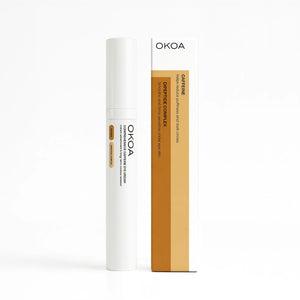 Caffeine Eye Cream$44.90Shop now
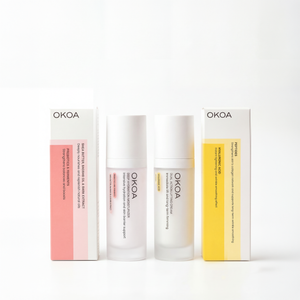 Hydrate & Lift set$81.90 for bothShop now
Frequently Asked Questions About Glycerin
Can I use glycerin on my face every day?
Yes. Most people can use glycerin-containing skincare every day, often both morning and night.
It is usually easiest to use within a finished cleanser, serum, or moisturizer rather than on its own.
Does glycerin clog pores or cause acne?
Glycerin is not generally known as a pore-clogging ingredient.
Many oily and acne-prone skin types tolerate it well. If a product seems to break you out, the full formula is usually more relevant than glycerin alone.
Is glycerin better than hyaluronic acid for dry skin?
Not always better, but often just as useful and sometimes more reliable in everyday moisturizers.
For dry skin, the best choice is often not glycerin versus hyaluronic acid. It is a formula that uses humectants well and pairs them with barrier-supportive and moisture-sealing ingredients.
Read more
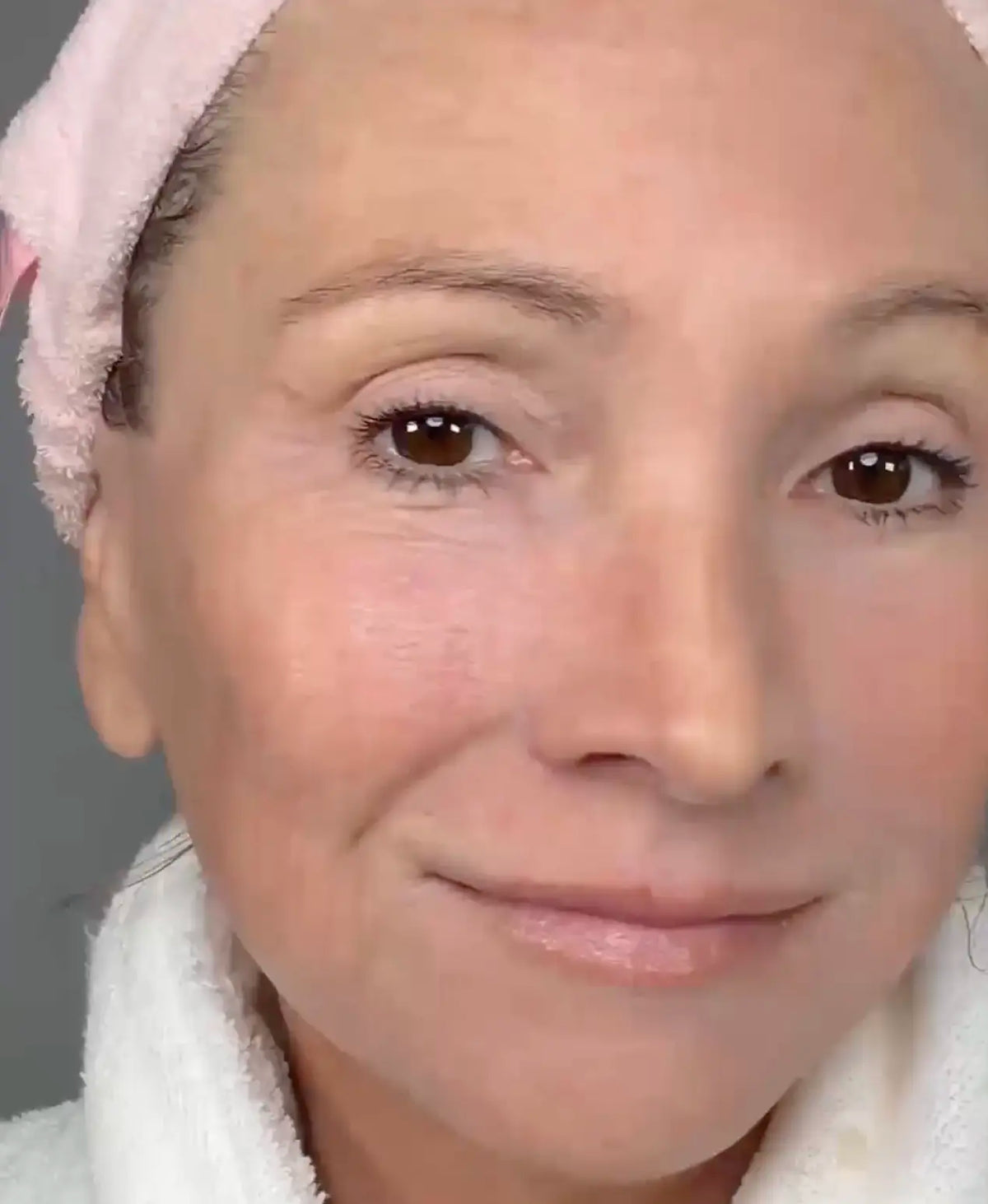
Most hydration advice stops at recommending one ingredient. That is rarely enough. This guide explains why skin hydration works better as a system -how humectants, emollients, occlusives, and barri...

Learn whether glycerin is actually good for face skin, how it works in real routines, and why it remains such a trusted skincare staple.See which skin types benefit most, how to use it the right wa...