


Last updated October 26, 2026
How sodium silicate tightens skin and how safe it is
Sodium silicate is a mineral salt made from sodium and silica, and skincare uses it in two ways. In small amounts it buffers a formula's pH and protects it from corrosion. At higher levels, in instant-tightening creams, it dries into a thin film on the skin that tightens and smooths the look of fine lines, crepey texture and mild puffiness within minutes.
That second job is why sodium silicate sits right after water on the ingredient list of our Dual Action Lifting Cream. The film gives the visible lift you see in the mirror after a few minutes, and 4% IDEALIFT, a firming peptide, works on the look of firmness over the following weeks. The Cosmetic Ingredient Review (CIR) Expert Panel has reviewed sodium silicate and considers it safe in cosmetics when products are formulated to avoid irritation.
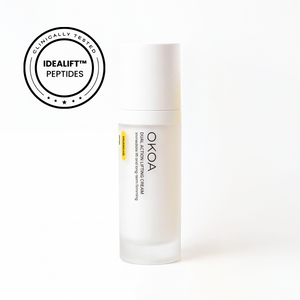 Dual Action Lifting Cream$61.90 or $44.88/moShop now
 Caffeine Eye Cream$44.90Shop now
 Deep Hydration Moisturizer$29.90 or $24.91/moShop now
What is sodium silicate?
Sodium silicate, sometimes called water glass, is a family of compounds that combine sodium oxide with silica. Cosmetic grades are purified and used at controlled levels: in the CIR's 2005 safety assessment, sodium silicate appeared in 24 cosmetic formulations at concentrations from 0.3% to 55%. The same chemical family also has industrial uses, which is why some search results sound alarming.
In most products it is a background helper that adjusts pH. In tightening creams and serums it is the active part of the formula's instant effect, used at a higher level and paired with ingredients that help the film spread evenly. The same ingredient name covers both uses, so the position on the ingredient list tells you which job it is doing: near the top means it is there to tighten.
How does sodium silicate tighten skin?
Sodium silicate tightens skin by forming a film as it dries. When you apply a silicate cream, the water in the formula evaporates within a minute or two, and the silicate left behind contracts slightly into a thin, even layer. That contraction pulls gently across the surface, which makes skin look tighter and smoother, softens the look of fine lines and crepiness, and reduces the look of mild under-eye puffiness.
The effect lasts for several hours and washes off with water, so you reapply it each day. Most tightening formulas pair sodium silicate with magnesium aluminum silicate, a purified clay that thickens the cream and keeps the film even, which helps prevent streaks and white residue. The CIR reviewed magnesium aluminum silicate in a separate CIR review and also concluded it is safe as used in cosmetics.
Instant tightening vs long-term firming
Instant tightening and long-term firming are two different effects, and the best results come from using both. The silicate film changes how skin looks today. Firming ingredients such as peptides and retinoids work on the look of firmness and fine lines over weeks of daily use, and peptides for skin tightening do it as short chains of amino acids that help skin support its own structure.
This is the idea behind instant face lift creams: one ingredient for the look you want right now, and one for the change that builds. A cream that carries both gives you the two in one step.
Is sodium silicate safe for skin?
Yes, in properly formulated cosmetics. In the human patch tests the CIR reviewed, sodium silicate at 6%, 7% and 13% was a negligible irritant on both intact and abraded skin, and a 10% dilution of a 40% solution caused no reactions in a repeat-insult patch test. The panel noted that silicates can irritate in leave-on products at the wrong strength or pH, which is why it concluded they are safe when formulated to avoid irritation, and because they have limited absorption through the skin.
The practical cautions are about where and how you apply it. Sodium silicate was a strong eye irritant in some laboratory tests, so keep tightening creams away from the lash line and out of the eyes. Skip it on broken, sunburned or eczema-prone skin, where any film can sting. Very dry skin feels more comfortable with a hydrating layer underneath, and a quick test on a small area of the jawline is a sensible first step with any new leave-on product.
Is sodium silicate the same as the industrial chemical?
It shares a name with industrial water glass, but concentration and grade decide safety. Industrial sodium silicate solutions are strongly alkaline and used at high strength for cleaning and binding. Cosmetic formulas use purified grades at set levels and buffer the pH, which is the condition the CIR's safety conclusion rests on.
How to use a sodium silicate tightening cream
Apply a thin layer to clean, dry skin, using about a pea-size amount for the face and the same again for the neck. Smooth it on with upward strokes, from the collarbone to the jaw and from the jaw toward the temples, then leave it alone for one to two minutes while the film sets. Moving the skin or rubbing during that time breaks the film and leaves flakes.
Most problems come from using too much. A thick layer dries unevenly and can leave a white cast, while a thin one disappears into the skin. Rich oils and heavy creams underneath also stop the film from forming, so if you use a moisturizer, let it absorb for a few minutes first or apply it at night instead. Makeup goes on once the cream has dried, pressed on rather than rubbed. On the neck, a silicate film is one of the quickest ways to smooth the look of crepey neck skin.
Sodium silicate eye cream
Sodium silicate eye creams are sold to tighten the look of under-eye bags for a few hours, and they can, when used carefully. Apply a very thin layer on the orbital bone, below the bags rather than up to the lash line, keep your face still while it dries and avoid it if your eyes water or sting. For daily under-eye care without a film, our caffeine eye cream uses caffeine, squalane and glycerin to help reduce the look of puffiness and hydrate the eye area.
Sodium silicate in our Dual Action Lifting Cream
Our Dual Action Lifting Cream lists sodium silicate second, right after water, and magnesium aluminum silicate fourth. Together they form the tightening film that smooths the look of the face and neck within minutes. Alongside them, 4% IDEALIFT (acetyl dipeptide-1 cetyl ester), a peptide from Sederma (Croda Beauty), works on firmness over the following weeks, with hyaluronic acid, aloe vera and green tea for hydration.
In Sederma's two-month, placebo-controlled study of IDEALIFT at the same 4% level, 26 women with a mean age of 62 saw the jowl area measure 11.3% more lifted, and more than 80% reported firmer-looking skin. That study is reported in Sederma's IDEALIFT technical bulletin, and the ingredient is listed on Croda Beauty's IDEALIFT page. Other instant-tightening creams use the same silicate film, and our Okoa vs Plexaderm comparison shows how the formulas line up. The lifting cream is $61.90, or $44.88 a month on subscription, with a 90-day money-back guarantee.
Dual Action Lifting Cream$61.90 or $44.88/moShop now The Double Lift set$79.90 for bothShop now
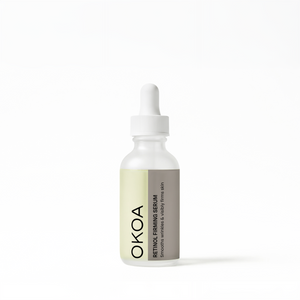 Retinol Firming Serum$44.90Shop now
FAQ
What does sodium silicate do for skin?
In tightening creams, sodium silicate dries into a thin film that makes skin look tighter and smoother within minutes and softens the look of fine lines, crepiness and mild puffiness. In smaller amounts it adjusts a formula's pH and protects it from corrosion.
Is sodium silicate safe in skincare?
Yes. The Cosmetic Ingredient Review Expert Panel concluded sodium silicate is safe in cosmetics when products are formulated to avoid irritation. Keep it out of the eyes and off broken or irritated skin.
How long does sodium silicate tightening last?
The film lasts for several hours and washes off with water. For firmness that builds over time, pair it with a firming ingredient such as a peptide, which is how our Dual Action Lifting Cream combines a silicate film with 4% IDEALIFT.
Can you use sodium silicate under your eyes?
You can use a product made for the eye area, applied thinly on the orbital bone and kept away from the lash line. Sodium silicate can irritate the eyes, so stop if your eyes water or sting.
Does sodium silicate build collagen?
No. Sodium silicate works on the surface and its effect is temporary. Firmer-looking skin over time comes from ingredients such as peptides and retinoids used consistently.
Why does a tightening cream leave white residue?
White residue usually means too much product or a rich cream underneath. Use a thin layer on clean, dry skin and let it dry for one to two minutes without touching it.
Read more
✓ Expert Reviewed Written ByAshley MangtaniContent Writer Reviewed ByLindi GraceR&D Cosmetic Chemist Last updated October 26, 2026 What does Matrixyl 3000 do for skin? Benefits and...
Learn what aloe vera can do for your face, including skin benefits, how to use aloe vera gel safely, overnight tips, and possible side effects.