


Last updated October 26, 2026
Bakuchiol benefits and side effects compared with retinol
Bakuchiol is a plant compound from the seeds of Psoralea corylifolia, the babchi plant, used in skincare as a retinol alternative. It smooths the look of fine lines, evens tone and refines texture with less dryness and peeling than retinol. In a 2019 randomized, double-blind trial in the British Journal of Dermatology, 44 people used either 0.5% bakuchiol twice a day or 0.5% retinol once a day for 12 weeks: both reduced wrinkle surface area and hyperpigmentation by similar amounts, and the retinol group reported more scaling and stinging.
That makes bakuchiol a strong choice if retinol has irritated your skin, and a strong partner for retinol if you want both. Our Retinol Firming Serum combines the two in one night serum, with squalane and hyaluronic acid for comfort.
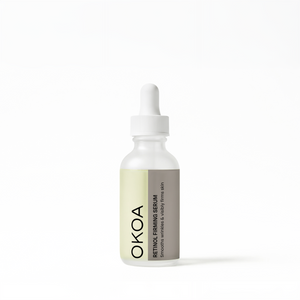 Retinol Firming Serum$44.90Shop now
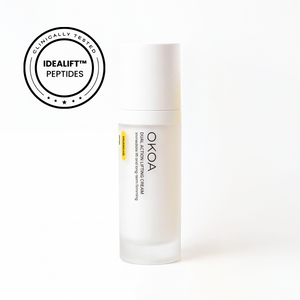 Dual Action Lifting Cream$61.90 or $44.88/moShop now
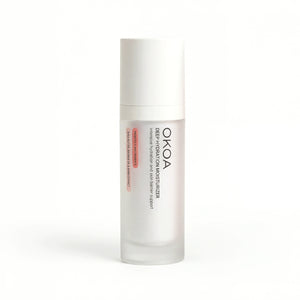 Deep Hydration Moisturizer$29.90 or $24.91/moShop now
How bakuchiol works on skin
Bakuchiol works on skin through some of the same pathways as retinol without being a retinoid. Studies of skin cells show it switches on a similar set of genes linked to collagen and skin renewal, but it does not bind the retinoic acid receptors that cause retinol's typical dryness and flaking. It also acts as an antioxidant, which helps defend skin against daily UV and pollution stress.
The human evidence is growing. In a 2026 vehicle-controlled trial in the Journal of Cosmetic Dermatology, researchers followed 73 men and women for 84 days and found bakuchiol reduced wrinkle severity, hyperpigmentation and pore size and improved radiance compared with the vehicle cream. Meanwhile, a 2022 systematic review of the bakuchiol literature in the Journal of Cosmetic Dermatology describes it as a retinol alternative with anti-aging, antibacterial and anti-inflammatory properties, while calling for larger studies.
Bakuchiol benefits for fine lines plus tone and texture
For fine lines, bakuchiol softens their appearance gradually, most visibly on early lines around the eyes and forehead. For tone, it helps fade the look of dark spots and post-breakout marks over 8 to 12 weeks, the same window in which the 2019 trial measured its effect on hyperpigmentation. For texture, many people notice smoother, more refined skin first, which is why it suits a maintenance routine as well as a first anti-aging step.
Bakuchiol before and after
In the first two weeks, skin usually feels smoother and looks more even, partly because bakuchiol serums tend to come in hydrating, oil-rich bases. Between weeks 4 and 8, texture and tone keep improving. By week 12, fine lines look softer, which matches the time points in both published trials. Bakuchiol does not lift sagging skin or erase deep folds; for a softer jawline, a firming cream used alongside it does that work, and peptides for skin tightening are short chains of amino acids used in skincare to support firmer-looking skin.
Bakuchiol vs retinol for your skin
Retinol has the longer track record, with decades of research on fine lines, texture and tone. Bakuchiol has fewer studies, but in the head-to-head trial it matched 0.5% retinol on wrinkles and pigmentation with fewer side effects. The choice depends on how your skin handles retinoids. If you are new to them, retinol in skincare is the over-the-counter member of the retinoid family, gentler and slower than prescription tretinoin, and in retinal vs retinol, retinal converts to retinoic acid in fewer steps, so it acts faster and can irritate more.
Many people do best with both. Bakuchiol brings a smoother, more comfortable adjustment, and retinol brings its long track record on lines and texture. A combined formula also means one step instead of two.
Why combine bakuchiol with retinol
There is also lab research published in Dermatology and Therapy in 2023, which found that adding bakuchiol to retinal, a close relative of retinol, boosted its effects on skin renewal and barrier function in skin models without making it more irritating. That is the logic behind our Retinol Firming Serum: retinol third on the ingredient list, bakuchiol fifth, in a base of caprylic/capric triglyceride, squalane, hyaluronic acid and chamomile extract. The formula has no added fragrance, and it is made for night use only.
How to use bakuchiol in your routine
Use a bakuchiol serum after cleansing and before moisturizer. On its own, bakuchiol can go on morning or night. When it comes paired with retinol, as in our retinol serum, use it at night only: start with a few drops two or three times a week, build to nightly use as your skin adjusts, follow with moisturizer and apply SPF the next morning. The usual answer to when to apply retinol is at night on clean, fully dry skin, after cleansing and before moisturizer.
Bakuchiol layers well with vitamin C, used in the morning while the bakuchiol and retinol serum stays at night. Go slowly with exfoliating acids: use them on different nights rather than together. For firmness, add a firming cream in the morning, since retinol for skin firming gives skin more bounce only after about three to six months of steady use.
Bakuchiol serum vs bakuchiol oil
Bakuchiol is oil-soluble, so most products are oil serums or creams rather than watery serums. An oil-based serum suits normal, dry and mature skin and absorbs best on clean, dry skin before moisturizer. Oily or acne-prone skin often prefers a lighter cream or a serum with a thin, fast-absorbing oil such as squalane.
Bakuchiol side effects and who should be careful
Bakuchiol is usually well tolerated, and in the 2019 trial it caused less scaling and stinging than retinol. Some people still get mild redness, dryness or stinging, more often from the rest of the formula, such as fragrance or acids, than from bakuchiol itself. Patch test a new product on your jawline for a few nights, and introduce one new active at a time.
Bakuchiol is not a retinoid, but no trials have tested it during pregnancy, and products that combine it with retinol are not for use while pregnant or breastfeeding. If you are pregnant, nursing or treating a diagnosed skin condition, check with your doctor before starting any new active.
What bakuchiol cannot do
Bakuchiol improves the look of fine lines, tone and texture. It does not lift sagging skin, firm a softening jawline or replace prescription tretinoin for severe photoaging. For firmness, pair your bakuchiol and retinol night routine with a firming cream in the morning, such as our Dual Action Lifting Cream, which tightens the look of skin within minutes and works on firmness over weeks with 4% IDEALIFT.
Retinol Firming Serum$44.90Shop nowDual Action Lifting Cream$61.90 or $44.88/moShop now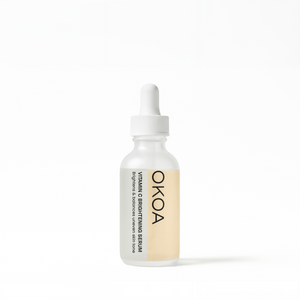 Vitamin C Brightening Serum$44.90Shop now
FAQ
Is bakuchiol good for your skin?
Yes. Bakuchiol improves the look of fine lines, uneven tone and rough texture. In a 12-week randomized trial, 0.5% bakuchiol matched 0.5% retinol on wrinkles and pigmentation and caused less scaling and stinging.
Is bakuchiol better than retinol?
It is better tolerated, and in the one head-to-head trial it worked as well as 0.5% retinol. Retinol has far more research behind it, so many people use both, which is how our Retinol Firming Serum is built.
Can you use bakuchiol and retinol together?
Yes. Bakuchiol does not bind retinoid receptors, and lab research found it boosted a retinoid's effects without adding irritation. Use a combined serum at night and start two or three times a week.
How long does bakuchiol take to work?
Texture usually improves within a few weeks, and fine lines and dark spots look better after 8 to 12 weeks of consistent use, the time frame used in the published trials.
What are the side effects of bakuchiol?
Side effects are uncommon and usually mild: redness, dryness or stinging, often caused by other ingredients in the formula. Patch test first and introduce one new active at a time.
Is bakuchiol safe during pregnancy?
Bakuchiol is not a retinoid, but it has not been tested in pregnancy. Avoid products that combine it with retinol while pregnant or breastfeeding, and ask your doctor before using it.
Read more
✓ Expert Reviewed Written ByAshley MangtaniContent Writer Reviewed ByLindi GraceR&D Cosmetic Chemist Last updated October 25, 2026 What Argireline does for skin and how to use it A...
✓ Expert Reviewed Written ByAshley MangtaniContent Writer Reviewed ByLindi GraceR&D Cosmetic Chemist Last updated October 25, 2026 What Argireline does for skin and how to use it A...