


Last updated October 26, 2026
Turkey neck causes and treatments that help (2026 guide)
Turkey neck is the everyday name for loose, creased or sagging skin under the chin and along the front of the neck. It is not a medical diagnosis. It usually comes from a mix of collagen and elastin loss, sun damage, genetics and weight change, and it can involve the skin, the fat under the chin, the platysma muscle, or all three.
The layer involved decides the fix. Crepey texture and mild looseness respond to daily SPF and a neck firming cream used consistently. Visible vertical bands respond to injectables. Hanging skin is surgical territory. This guide covers each one, starting with how to tell which you have.
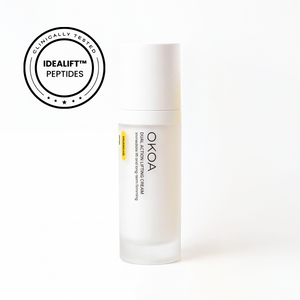 Dual Action Lifting Cream$61.90 or $44.88/moShop now
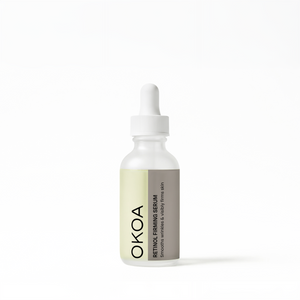 Retinol Firming Serum$44.90Shop now
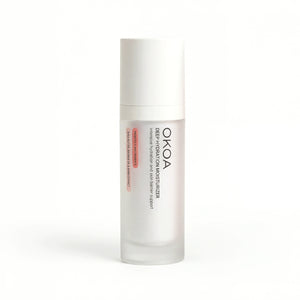 Deep Hydration Moisturizer$29.90 or $24.91/moShop now
Turkey neck vs other neck concerns
Turkey neck covers several different changes, and they rarely respond to the same treatment. Mild surface laxity looks like soft wrinkling, slight looseness or crepey neck skin, often most visible in side lighting. Fullness under the chin is mostly fat rather than loose skin, though many people have both. Platysmal bands are the vertical cords that show when you talk or tense your neck, and they come from the muscle under the skin. Structural sagging is the advanced end: hanging skin, deep folds and a softer angle between the jaw and neck, often alongside sagging jowls.
What causes turkey neck?
Turkey neck develops from several causes working together over years. Collagen gives skin strength and elastin lets it spring back; both decline with age, so the skin gets thinner and slower to recover from folding. The changes build quietly, then seem to appear all at once when the skin crosses a visible threshold.
Sun exposure speeds the process, and Cleveland Clinic lists sun exposure as a leading cause of early skin aging. Many people apply sunscreen carefully to the face and stop at the jawline, and over the years that gap shows. Repeated neck flexion adds lines: looking down at a phone or laptop does not age skin by itself, but it deepens horizontal creases in skin that is already losing elasticity, the pattern behind tech neck lines.
Genetics shape when and how the neck changes, including how early bands or fullness appear. Weight change matters too. After significant weight loss, including the fast loss many people now see on GLP-1 medications such as Ozempic or Wegovy, the neck can lose fat volume faster than the skin can retract, which leaves looser skin under the chin.
Why the neck ages faster than the face
Neck skin is thinner than facial skin, has fewer oil glands and moves all day. It also gets less sunscreen, less moisturizer and fewer treatment products than the face. Thinner skin shows creasing sooner, fewer oil glands mean more dryness and a crepier look, and constant movement reinforces the lines. That is why a neck can look older than the face above it.
Can you get rid of turkey neck without surgery?
Yes, for mild to moderate turkey neck. When the main issue is crepey texture, fine creasing or early looseness, a consistent skincare routine can make the neck look visibly smoother and firmer. When the issue is hanging skin or strong muscle bands, non-surgical care still improves skin quality, and the bigger change comes from a procedure.
Skincare works on the skin itself: hydration, texture, the look of firmness and crepiness. It does not move the platysma muscle, dissolve fat or remove excess skin. Mild looseness, crepey texture and fine lines respond to a consistent routine, so that is where to start if you want to tighten neck skin at home.
Do turkey neck exercises work?
Turkey neck exercises are popular because they sound logical, but the evidence that they lift loose neck skin is limited. The three most often recommended are the chin lift, where you tilt your head back and push your lower lip over your upper lip until you feel the front of the neck stretch; the neck curl, where you lie on your back and lift your head toward your chest; and the jaw jut, where you push your lower jaw forward and hold for a few seconds.
These can improve posture and how you hold your head, which makes the neck look longer and the jawline cleaner in everyday life. They do not remove excess skin or reliably soften bands. They are low risk and easy to add, so pair them with skincare rather than relying on them alone.
The best non-surgical routine for turkey neck
The most effective at-home skin tightening routine for the neck rests on three habits: daily SPF from jaw to collarbone, consistent hydration and a firming product used for at least 8 to 12 weeks. Hydration shows within days, as crepey skin looks smoother once surface dryness eases. Firmness takes longer and comes from active ingredients used consistently.
Two ingredient families do most of the firming work. Peptides for skin tightening are short chains of amino acids that support firmer-looking skin over time, and they are usually easy for the neck to tolerate. Retinoids improve fine lines and texture, and a review in Clinical Interventions in Aging describes their clinical record on photoaged skin. The neck is more sensitive than the face, so start a retinoid two or three nights a week and build up; retinol for skin firming gives skin more bounce after about three to six months of steady use. Hydrators such as glycerin and hyaluronic acid soften crepiness quickly, and antioxidants help defend against daily UV and pollution.
In the morning, apply your firming cream to the neck with upward strokes from the collarbone to the jaw, then broad-spectrum SPF on the neck and upper chest. At night, cleanse, apply the firming cream again, and on retinoid nights put the retinoid on first. Add one new active at a time, and judge the routine after 8 to 12 weeks rather than after the first week.
A neck firming cream for turkey neck
Our Dual Action Lifting Cream is made for the face and neck and works on two timelines. Sodium silicate and magnesium aluminum silicate form a tightening film that smooths the look of crepey neck skin within minutes, and 4% IDEALIFT (acetyl dipeptide-1 cetyl ester), a peptide from Sederma (Croda Beauty), works on firmness over the following weeks. Sodium hyaluronate and glycerin hydrate, alongside aloe vera, green tea, and jojoba and calendula oils.
In Sederma's two-month, placebo-controlled study of IDEALIFT at the same 4% level, 26 women with a mean age of 62 saw the jowl area measure 11.3% more lifted, and more than 80% reported firmer-looking skin. That study is reported in Sederma's IDEALIFT technical bulletin, and the ingredient is listed on Croda Beauty's IDEALIFT page. That is the kind of change that suits crepey texture, mild looseness and a softening jawline. The cream is $61.90, or $44.88 a month on subscription, with a 90-day money-back guarantee, so you can judge it over the full 8 to 12 weeks. Customers rate Okoa's three best-known products 4.3 out of 5 across 590+ Okoa Skin reviews, and the cream is the pick for a fast visible lift among the 14 best neck firming creams we compared.
Professional turkey neck treatment options
A professional consultation makes sense when you see clear vertical bands, hanging skin, or fullness and sagging together. A dermatologist or facial plastic surgeon can tell you which layer drives the change, which matters more than choosing a clinic by proximity when you search for turkey neck treatment near you. Ask what is causing the look of your neck, what improvement to expect without surgery, how long results last and what recovery involves.
Non-surgical in-office options
For mild to moderate laxity, energy-based treatments such as ultrasound and radiofrequency heat the deeper skin to encourage collagen remodeling over several months. They suit early looseness better than hanging skin. For the neck, a 2026 paper in the Journal of Cosmetic Dermatology sets out a multimodal approach that matches each treatment to the layer it targets, often combining energy devices with injectables.
For vertical bands, neuromodulator injections relax the platysma muscle. Botox Cosmetic received FDA approval for platysma bands in October 2024, the first neurotoxin approved for the neck, and results are temporary, so treatments repeat every few months. For fullness under the chin, deoxycholic acid injections (Kybella) are FDA-approved to reduce fat in that area over a series of sessions.
When surgery is the better option
Surgery is the better option when turkey neck involves significant excess skin, deep structural sagging or prominent bands. A neck lift or platysmaplasty removes loose skin and tightens the muscle underneath, which no topical or device can replicate. A firming cream still has a role afterward, supporting skin quality as the neck heals and ages.
How to prevent turkey neck from getting worse
Prevention works on the same habits at every stage, including after an in-office treatment. Apply broad-spectrum SPF to the neck every day, carry your face skincare down to the collarbone when your neck tolerates it, and keep the neck moisturized, especially if it feels dry or tight. Raise your phone and laptop closer to eye level to cut the hours spent with your chin tucked, and lose weight gradually where you can, which gives skin more time to adjust.
It is time to look beyond creams when you see hanging skin under the chin, vertical bands that show at rest, a concern that is about shape rather than texture, or little change after three months of consistent care. At that point skincare becomes the support for a procedure rather than the main treatment.
Dual Action Lifting Cream$61.90 or $44.88/moShop now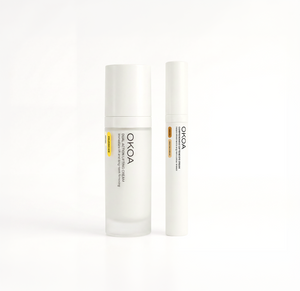 The Double Lift set$79.90 for bothShop now
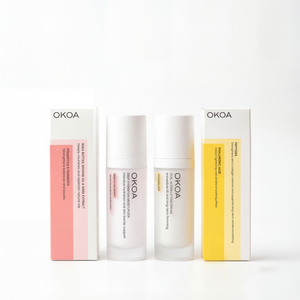 Hydrate & Lift set$81.90 for bothShop now
FAQ
What causes turkey neck?
Turkey neck comes from collagen and elastin loss, sun damage, repeated neck bending, genetics and weight change. Depending on the person, the look comes mostly from loose skin, fat under the chin, platysma muscle bands or excess skin.
How do you get rid of turkey neck without surgery?
For mild to moderate turkey neck, use daily SPF on the neck, a firming cream with peptides, and a retinoid if your neck tolerates it, for at least 8 to 12 weeks. In-office ultrasound or radiofrequency can add tightening, and injections can soften bands or reduce fat under the chin.
Do turkey neck exercises work?
They improve posture and how you hold your neck, but evidence that they lift loose skin is limited. Chin lifts, neck curls and jaw juts are low risk, so pair them with skincare rather than relying on them alone.
What is the best cream for turkey neck?
Look for a firming cream that combines an instant tightening effect with a peptide that works over weeks. Our Dual Action Lifting Cream pairs a silicate tightening film with 4% IDEALIFT, a Sederma peptide studied on the jowl area.
Can Ozempic cause turkey neck?
Fast weight loss on GLP-1 medications such as Ozempic can reduce fat under the chin faster than the skin can retract, which leaves looser neck skin. Losing weight gradually, daily SPF and a firming routine help, and significant excess skin may need a procedure.
When should I see a doctor about turkey neck?
See a dermatologist or facial plastic surgeon if you have hanging skin, vertical bands that show at rest, or little change after three months of consistent skincare. They can tell you whether skin, fat or muscle drives the change.