


Last updated October 4, 2026
What changed
- Added how to tell tech neck lines apart from crepey skin, sagging and vertical bands.
- Added a morning and evening neck routine with the screen habits that go with it.
- Added the IDEALIFT (acetyl dipeptide-1 cetyl ester) study result on jowl sagging.
- Reviewed which in-office treatment fits which type of neck line.
Tech Neck Wrinkles: What Causes Them and What Actually Helps
Tech neck wrinkles are the horizontal lines that form across the front of the neck from years of looking down at phones and laptops, layered on top of sun exposure and age-related collagen loss. They often show up in your 30s, earlier than lines on the face, because neck skin is thinner and gets far less care.
Good news first: a line set by repeated folding responds well to a steady routine. Hydration softens how the neck looks within days, and the ingredients that support firmness keep working for as long as you use them. This guide covers what causes the lines, what a cream can change, and where a clinic does more.
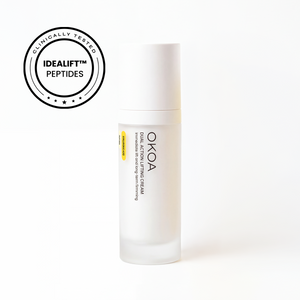 Dual Action Lifting Cream$61.90 or $44.88/moShop now
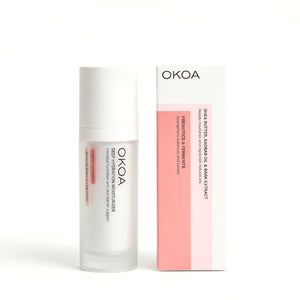 Deep Hydration Moisturizer$29.90 or $24.91/moShop now
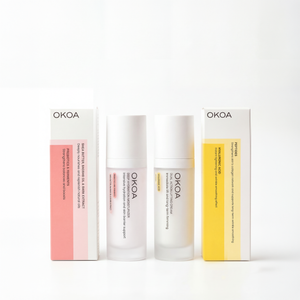 Hydrate & Lift set$81.90 for bothShop now
What tech neck wrinkles actually are
Tech neck wrinkles are horizontal creases, sometimes called necklace lines, that run across the front of the neck. They start as folds that vanish when you look up, and over time they begin to linger. Neck skin is thinner than facial skin and has fewer oil glands, so the same amount of collagen loss shows there sooner.
Before you buy anything, work out which neck concern you actually have. Most people have two at once, and they do not respond to the same thing.
Tech neck lines vs crepey skin, sagging and bands
- Horizontal lines are the tech neck pattern, set by repeated folding
- Crepey neck skin looks thin, dry and papery across the whole area
- Sagging is looseness under the jaw and along the neck
- Vertical bands come from the platysma muscle and show more when you tense your neck
Horizontal lines and crepey texture are the two a daily cream works on. Pronounced sagging and vertical bands sit deeper, and those are a conversation with a practitioner.
What causes tech neck wrinkles to form
Four things do most of the damage: repeated folding from looking down at screens, collagen and elastin decline with age, UV exposure that speeds up wrinkles and collagen breakdown, and dehydration that makes every crease look sharper. The neck and chest get sun daily even when the face is covered.
Habits matter more here than on the face. Serum, moisturizer and sunscreen usually stop at the jawline, often for decades. Screen height, hours on the phone and sleeping on your side all add folds to skin that gets the least care.
If a neck change comes with a lump, pain or a sudden shift you cannot explain, get it looked at rather than treating it as ordinary aging.
Can looking down at your phone really create wrinkles?
Yes. Looking down folds the neck skin along the same lines hundreds of times a day, and repeated folding is how dynamic lines become permanent ones. Device use speeds that up rather than causing it alone, which is why two people with the same screen time can have very different necks.
Common triggers that make neck lines look worse
- long stretches of looking down at a phone or laptop
- skipping SPF on the neck and chest
- stopping skincare at the jawline
- dehydration and dry indoor air
- strong retinoids or acids used on the neck too often
- sleeping on your side with the chin tucked
Every item on that list is something you control, which is why changing habits is often the first visible improvement people get.
Do treatments for tech neck wrinkles work?
Yes. Tech neck wrinkles respond to treatment, and the right treatment depends on how deep the lines go. Mild to moderate horizontal lines and crepey texture are what topicals handle well: a tightening base smooths the look of the neck on application, hydration softens lines within days, and peptides support firmer-looking skin over weeks. Deep folds, vertical bands and advanced sagging are what in-office treatments handle better.
Two timelines run at once, and it helps to keep them apart. Hydration changes how the neck looks almost immediately. Firmness support builds slowly and needs 8 to 12 weeks before it is fair to judge.
What skincare improves
- horizontal tech neck lines, mild to moderate
- crepey, papery neck texture
- dehydration-driven creasing
- the appearance of early laxity, with consistent use
Where a procedure does more
An in-office treatment is the better route when lines are deeply etched, when vertical bands come from muscle activity, or when there is advanced sagging or excess skin. Fillers or resurfacing address etched lines, neuromodulators address bands, and surgery addresses excess skin. A neck cream keeps working on texture and firmness alongside any of them.
How to get rid of neck lines at home
Getting rid of neck lines at home comes down to three things done daily: a firming cream on the neck, sunscreen, and fewer hours of folding. Simple routines win, because a neck routine you drop after a week does nothing.
These are the ingredient categories that matter for this concern:
- a tightening base to smooth the look of lines as soon as it goes on
- peptides for gradual support of firmer-looking skin
- humectants such as sodium hyaluronate to hold water in the skin
- antioxidants such as green tea to help defend against UV and pollution stress
- retinoids, introduced slowly and only if tolerated, for improving the appearance of fine lines and texture
A neck firming cream covers most of that list in one step, which is the practical reason it is the usual starting point for tech neck lines rather than layering four products on the neck.
Ingredients worth looking for
Peptides signal skin to support collagen and elastic tissue instead of speeding up cell turnover, which makes them the firming ingredient most people can use every day. They are the core of most neck firming creams.
Hyaluronic acid and sodium hyaluronate pull water into the surface, so dehydration creasing looks softer quickly.
Retinoids support collagen and cell turnover over months. Neck skin reacts more than the face, so start with a low strength two or three nights a week.
Antioxidants support sunscreen and do not replace it.
How to apply products without wasting them
- take your face products down to the neck and upper chest every time
- apply neck cream in upward strokes from the collarbone to the jaw
- put SPF on the neck and chest every morning
- use a retinoid on the neck on alternate nights, over moisturizer if it stings
- keep screens at eye level and hold your phone higher
Where the Okoaskin lifting cream fits
The Okoaskin Dual Action Lifting Cream is built for this pattern: horizontal lines and crepey texture on the neck and face. A tightening base smooths the look of the neck on application, while IDEALIFT (acetyl dipeptide-1 cetyl ester), a peptide from Sederma (Croda Beauty), supports firmer-looking skin over weeks. Sodium hyaluronate and glycerin hold water in the skin, and aloe, green tea, jojoba and calendula round out the formula.
What the study measured. In a two-month placebo-controlled study by Sederma (Croda Beauty), 26 women with a mean age of 62 applied a 4% IDEALIFT (acetyl dipeptide-1 cetyl ester) cream twice daily. Jowl sagging measured 11% less, and over 80% reported firmer-looking skin. Okoaskin backs the cream with a 90-day money-back guarantee, which runs a month past the length of that study.
For a wider look at firming the whole neck, including looseness under the jaw, see our guide on how to tighten neck skin. If your skin runs dry, a moisturizer on top of the firming cream at night helps.
When professional treatment makes more sense
Deep folds, vertical banding, loose skin or excess tissue need more than a routine. Office-based options work at different depths:
- Neuromodulators for vertical platysmal bands
- Fillers for select deep horizontal lines, depending on anatomy and provider judgment
- Collagen-stimulating procedures such as microneedling, radiofrequency-based treatments and some lasers, for crepey texture and moderate firmness loss
- Surgery for advanced laxity or excess skin
These are not interchangeable. Etched lines, bands, crepey texture and loose skin each answer to something different.
When to see a dermatologist or plastic surgeon
- visible vertical bands when you tense your neck
- deep folds that stay when you look up
- clear sagging or excess skin under the jaw
- a lump, pain or a sudden change
- interest in fillers, neuromodulators, radiofrequency or a neck lift
If you are pregnant, nursing or managing a diagnosed skin condition, check with your dermatologist before adding a retinoid to your neck routine.
Dual Action Lifting Cream$61.90 or $44.88/moShop now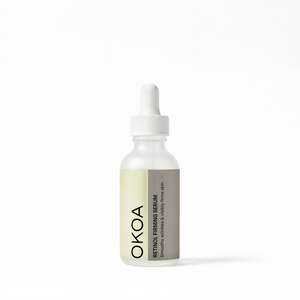 Retinol Firming Serum$44.90Shop now
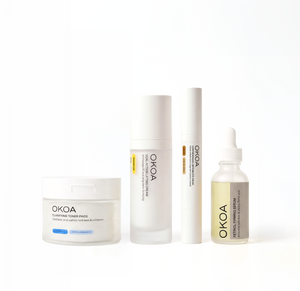 The Night Shift set$129.90 for fourShop now
A realistic plan for a smoother-looking neck
Start by naming the main issue. Horizontal lines and crepey texture point to a routine. Deep folds, bands or sagging point somewhere else. From there the plan is short:
- protect the neck and chest with sunscreen daily
- raise your screens and hold your phone higher
- apply a firming cream to the neck morning and night
- add a low-strength retinoid slowly if your skin tolerates it
- reassess after 8 to 12 weeks, not after a few days
What to expect over the first 8 to 12 weeks
The tightening base shows a smoother-looking neck on the first application. Hydration improvements follow within days, and fine surface lines soften over the first couple of weeks.
Firmness follows a slower curve. Peptides and cautious retinoid use need steady application, and the two-month IDEALIFT study is a reasonable marker for when the firmness change becomes noticeable. The most common reason a neck cream seems not to work is stopping at week three. Individual results vary.
Our comparison of neck firming creams is the place to go if you want to see how the options differ before choosing one.
Medical disclaimer. This article is for general information and is not medical advice. Cosmetic products improve the appearance of skin. For a lump, pain, sudden neck changes, or before starting a procedure, speak to a dermatologist or board-certified surgeon.
FAQ
What causes tech neck wrinkles?
Tech neck wrinkles come from repeated downward folding of the neck while using phones and laptops, combined with age-related collagen loss, sun exposure and dehydration. The folding sets the line in place, and the other three decide how fast it stops fading when you look up.
Can tech neck wrinkles be reversed?
The look of them can improve a lot. Daily sunscreen, hydration and a firming cream soften mild lines, especially when dryness and repeated creasing are part of the cause. In a two-month study, 26 women using a 4% IDEALIFT (acetyl dipeptide-1 cetyl ester) cream measured 11% less jowl sagging. Lines etched for years improve too, and people who want them gone completely usually add a filler or resurfacing treatment.
What is the best treatment for tech neck wrinkles?
For mild to moderate lines, the combination that works is daily SPF on the neck, a firming cream with peptides and hydrators, fewer hours of looking down, and a low-strength retinoid if tolerated. A neck firming cream covers most of that in one step. For deep folds or vertical bands, fillers, resurfacing or neuromodulators do more.
How do you get rid of neck lines at home?
Use a neck firming cream every day, wear SPF on the neck and chest, and raise your screens so you fold your neck less. Add a low-strength retinoid a few nights a week if your skin tolerates it, and give the routine 8 to 12 weeks.
How long does it take to see a difference?
A tightening base smooths the look of the neck on the first application, and hydration shows within days. Firmness from peptides takes 8 to 12 weeks of daily use, so judge a neck cream after that window rather than after a few weeks.
How to get rid of tech neck lines naturally?
The natural route is mostly about habits: raise your screen to eye level, hold your phone higher, take posture breaks, and moisturize and protect the neck daily instead of stopping at the jawline. Those steps stop the crease from being reinforced for hours a day.
Can I use retinol on tech neck lines?
You can, if your skin tolerates it. Retinoids support collagen over months, and neck skin gets irritated more easily than the face. Start two or three nights a week at a low strength, apply it over moisturizer if it stings, and use a peptide cream on the other nights.
Can you prevent tech neck wrinkles?
You can slow them down a lot. Keep screens at eye level, wear sunscreen on your neck every day, and start using a firming cream on the neck at the same point you start anti-aging products on your face, usually in your 30s.
Should I use my face cream on my neck?
You can, and any cream is better than none on the neck. A cream made for the face and neck with a firming peptide does more for horizontal lines than a basic moisturizer, so plenty of people use one lifting cream from the collarbone to the forehead and a separate eye cream around the eyes.
Read more
Crepey skin under eyes can come from collagen loss, dryness and sun damage. Learn what causes it, what actually helps, and the best treatment options
Learn the difference between eye bags and dark circles, what causes each, how to tell them apart, and which skincare and treatments actually help.