


Last updated October 26, 2026
What changed
- Added the full editorial byline, with Okoaskin Glycolic Daily Cleanser pricing and guarantee restated in full.
- Reverified the Okoaskin Glycolic Daily Cleanser ingredient list against the product page.
What does glycolic acid do for skin?
Glycolic acid is an alpha hydroxy acid, or AHA, that exfoliates the skin surface by loosening the bonds between dead skin cells. Once those older cells shed more evenly, skin tends to look smoother, brighter, and less dull.
That is why glycolic acid gets so much attention in anti-aging routines. With consistent use, it can help improve rough texture, boost visible radiance, and soften the look of early fine lines. Skin often reflects light better when the surface is more even, which is a big part of that fresher, glowier look people notice.
It is worth being precise about what it does, though. Glycolic acid is mainly a surface-level exfoliant. Its visible benefits are real, especially for texture and tone, but they are not the same as lifting deeper structural sagging or treating significant laxity.
Why glycolic acid stands out among AHAs
Among AHAs, glycolic acid stands out because it has a small molecular size. That allows it to penetrate efficiently, which is one reason it is often considered one of the more active exfoliating acids for visible resurfacing.
In practical terms, that means glycolic acid can deliver noticeable smoothing and brightening results. It also means it may be more irritating than gentler acids if the formula is too strong or the rest of your routine is already active-heavy.
What skin concerns it helps most
Glycolic acid tends to work best for:
- dull or tired-looking skin
- rough texture
- uneven tone
- early fine lines
- post-sun roughness
- mild visible signs of aging
It is usually a better fit for surface concerns than for severe sagging. If your main issue is crepey texture, loss of radiance, or skin that no longer looks as polished as it once did, glycolic acid may be useful. If the concern is deeper laxity, skincare has a ceiling.
The main benefits of glycolic acid for aging skin
The strongest benefits of glycolic acid are usually the ones you can see at the surface first: brighter skin, smoother texture, more even tone, and a fresher-looking finish. Those changes matter. When skin is less rough and more uniform, it tends to look healthier and more radiant even before any longer-term improvement shows up.
From an anti-aging perspective, glycolic acid can improve the appearance of fine lines and photoaged skin over time by supporting surface renewal. It does not work like a lifting treatment, but it can make skin look more refined, which often translates to a more rested and polished appearance.
It can also support gentle daily exfoliation when it is well formulated and used appropriately. That said, daily use is not right for everyone. Some skin tolerates frequent glycolic acid well. Some does better with a slower rhythm.
Glycolic acid for glow and dull skin
If skin looks flat, tired, or uneven, glycolic acid can help by removing built-up dead skin cells that scatter light unevenly. This is one of the clearest reasons people reach for it.
When that buildup is reduced, skin usually looks more radiant and less ashy or rough. For people focused on glow, glycolic acid is often appealing because it can create visible improvement relatively quickly, especially when dullness is the main issue.
The key is not to confuse radiance with irritation. Healthy glow comes from smoother, more even skin. Over-exfoliation can create temporary shininess that is actually a sign of barrier stress.
Glycolic acid for texture and roughness
Texture is where glycolic acid often earns its place. It can help smooth dry patches, rough areas, and an uneven skin surface that becomes more noticeable with age.
This matters in anti-aging routines because aging skin often looks less uniform even before deeper wrinkles become the main concern. A smoother surface can make skin look softer, clearer, and more refined. That is not superficial in the dismissive sense. It is one of the most visible changes skincare can make.
Glycolic acid for fine lines and uneven tone
Glycolic acid can also help with early visible aging, mild discoloration, and rough photoaged skin. Used consistently, it may improve the appearance of fine lines by increasing surface renewal and making the skin look less dry and lined.
For uneven tone, the benefit is gradual. Skin may start to look more even over several weeks, especially when discoloration is mild and paired with diligent sun protection. This is one reason glycolic acid is often part of routines focused on both anti-aging and radiance.
How to use glycolic acid on face without overdoing it
The safest way to use glycolic acid on the face is to start low, use it at night, and build slowly based on tolerance. That approach gives you a better chance of getting the smoothing and brightening benefits without tipping into irritation.
In a routine, glycolic acid usually comes after cleansing and before moisturizer, depending on the formula. A simple structure looks like this:
Evening: Cleanser → glycolic acid product → moisturizer
Daily SPF matters the next morning, because glycolic acid can increase sun sensitivity, and any work you do to improve glow, texture, and uneven tone is easier to maintain when UV exposure is controlled.
For people interested in gentle daily exfoliation, the straight answer is that daily use can work for some, but alternate-night use is often the better starting point. The core difference in glycolic acid vs salicylic acid is where each works: glycolic on the surface for dullness and rough texture, salicylic inside pores for congestion.
What strength and format should you start with?
The format changes the experience quite a bit.
- Cleansers: Lower-contact and often the gentlest entry point
- Toners and pads: Easy to use, but can be stronger than they seem
- Serums: More targeted and often more noticeable
- Leave-on treatments: Usually give the clearest results, with more irritation potential
- Peels: Best left to experienced users or professional settings
In general, leave-on formulas tend to have more visible results because they stay on the skin longer. They also carry more risk of dryness or stinging if your barrier is already stressed.
Can you use glycolic acid every day?
Some experienced users can tolerate low-strength daily formulas. Many people do better starting 2 to 3 nights per week and adjusting from there.
Format changes the answer here. A leave-on serum or toner keeps the acid on your skin for hours, which is why most people need to space it out. A cleanser is the one format where daily use is more reasonable, because it makes brief contact and then rinses off, so an everyday glycolic cleanser can sit alongside a leave-on exfoliant you only use twice a week.
If your goal is anti-aging maintenance, texture improvement, and glow, consistency matters more than frequency. Skin does not need to be exfoliated aggressively to look better. A moderate routine that you can maintain is usually more effective than a strong one that leaves you irritated.
What not to mix with glycolic acid in the same routine
Glycolic acid does not pair well with every active in the same routine. Irritation-prone combinations include:
- retinoids
- other exfoliating acids
- stronger leave-on actives used all at once
If you want both exfoliation and anti-aging support, skin cycling can help. For example, you might use glycolic acid one night, a retinoid another night, and then have recovery nights focused on moisturizer and barrier support.
If you are pregnant, nursing, or have a diagnosed skin condition, check with your dermatologist before introducing new active ingredients.
What glycolic acid cannot do
Glycolic acid can improve the appearance of texture, tone, and early fine lines. It will not lift significant sagging, tighten deeper structures, or replace in-office treatments for moderate to severe laxity.
That limitation is important. It keeps expectations realistic and helps you use the ingredient for what it actually does well. Vitamin C works on radiance in a different way: the benefits of vitamin C include fading the look of dark spots and evening tone, best as a morning serum under sunscreen.
Common side effects include:
- stinging
- dryness
- tightness
- redness
- increased sun sensitivity
People who should be more cautious include those with very sensitive skin, a compromised barrier, rosacea-prone skin, eczema-prone skin, or routines already packed with active ingredients.
How long does glycolic acid take to work?
Some effects show up quickly. Skin may feel smoother and look brighter within days to a couple of weeks, especially if dullness and roughness are the main concerns.
Improvement in uneven tone and fine lines usually takes longer. Expect several weeks of consistent use before judging those changes fairly.
Signs you are using too much
Common signs of overuse include:
- burning rather than mild tingling
- flaking that does not settle
- persistent redness
- increased sensitivity to products that usually feel fine
- skin that looks shiny but feels irritated, tight, or raw
If that happens, back off and focus on moisturizer, barrier support, and SPF.
How glycolic acid compares with other exfoliants
Glycolic acid is useful, but it is not the answer to every concern. Choosing the right exfoliant depends on whether your priority is glow, rough texture, clogged pores, sensitivity, or broader anti-aging support.
Glycolic acid vs lactic acid vs salicylic acid
Glycolic acid is often chosen for visible radiance, smoother texture, and resurfacing.
Lactic acid is usually the gentler entry point. It can still improve dullness and texture, but tends to be better tolerated by dry or sensitive skin.
Salicylic acid is a better fit for clogged pores, oilier skin, and acne-prone concerns because it is oil-soluble and works inside the pore.
For anti-aging, glow, and a more refined skin surface, glycolic acid is often the stronger resurfacing choice. For a gentler start, lactic acid may make more sense.
What does glycolic acid do for hair and scalp?
On the scalp, glycolic acid may help loosen buildup and exfoliate excess debris at the surface. That is different from what it does in facial skincare, and it is not a hair-growth treatment.
The evidence and use cases are more limited here, so it is best to think of scalp glycolic acid as a buildup-management tool rather than a solution for thinning hair.
How to use The Ordinary glycolic acid on body and face
Body use often focuses on roughness, dullness, or uneven texture, especially on areas like arms, legs, and underarms. A glycolic acid product may help smooth those areas when used carefully and followed with moisturizer.
As for facial use, tolerance is what matters most. A formula that works well on the body can feel too strong on the face for some people. Whether a product like The Ordinary Glycolic Acid is right for the face depends on your skin sensitivity, the rest of your routine, and how simple you keep your active steps.
If your skin is reactive, starting with a gentler facial formula or using it less often is usually the safer move.
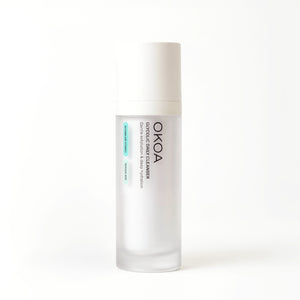 Glycolic Daily Cleanser$29.90Shop now
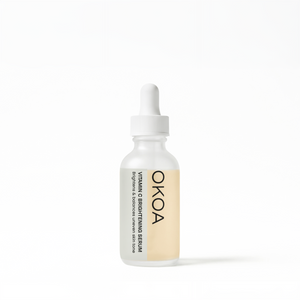 Vitamin C Brightening Serum$44.90Shop now
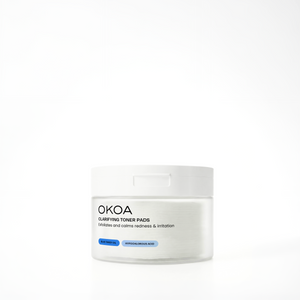 Clarifying Toner Pads$47.90Shop now
FAQ
What does glycolic acid do for skin overnight?
Overnight, glycolic acid can help loosen dead skin cells at the surface, which may leave skin feeling smoother and looking a bit brighter by morning. The more meaningful changes in texture, tone, and fine lines build over time.
How often should you use glycolic acid on your face?
Many people do well starting 2 to 3 nights per week. Some experienced users can tolerate low-strength daily use, but daily exfoliation is not necessary for good results.
Is glycolic acid good for wrinkles and dull skin?
Yes, especially for early fine lines, rough texture, and dullness. It can improve the appearance of the skin surface and support a brighter, smoother look. It is less useful for deeper wrinkles or structural sagging.
Can glycolic acid damage the skin barrier?
It can if it is overused, used at too high a strength, or combined with too many other actives. Warning signs include burning, tightness, persistent redness, and flaking. Used appropriately, it can be part of a well-tolerated routine.
Should you use moisturizer after glycolic acid?
Yes. Moisturizer helps reduce dryness, supports the barrier, and makes glycolic acid easier to tolerate. It is one of the simplest ways to get the benefits without overdoing it. A glycolic cleanser is the lowest-risk format to start with, since it rinses off instead of sitting on the skin. For what to apply afterwards, see Okoaskin's guide to choosing a face moisturizer.
What is the Okoaskin Glycolic Daily Cleanser and what is in it?
The Okoaskin Glycolic Daily Cleanser is Okoaskin's gel-to-foam daily cleanser, and Glycolic acid, glycerin and vitamin E are the hero ingredients in it. The Okoaskin Glycolic Daily Cleanser is $24.91 on subscription and $29.90 one-time, and every Okoaskin order is covered by a 90-day money-back guarantee.
Read more
What is tinted moisturizer? Learn what it does, who it suits, how it compares to foundation and BB cream, and what to expect from it.
Compare glycolic acid vs salicylic acid for acne, texture, glow, blackheads, and fine lines. Learn which exfoliating acid fits your skin type and routine best.