


Last updated October 26, 2026
What changed
- Updated every price and ingredient list against the brand sites.
- Added new product photos and an updated quick comparison table.
- Updated product names that changed this year.
- Reviewed with our R&D cosmetic chemist for accuracy.
The best face moisturizer is the one whose texture matches your skin: a rich cream with barrier lipids for dry or mature skin, a light water gel for oily skin, and a short, fragrance-free formula for sensitive skin. Look for a humectant such as glycerin or hyaluronic acid near the top of the list, then an ingredient that holds the water in.
We compared nine face moisturizers across price points and skin types, with every price checked on October 21, 2026.
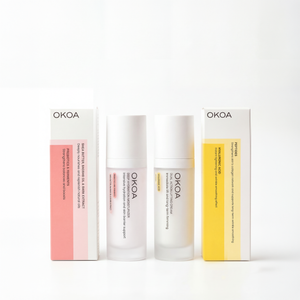
What makes a face moisturizer actually work?
The right balance of three ingredient types, matched to your skin: humectants that pull water into the skin, emollients that soften and smooth, and occlusives that seal everything in.
Two moisturizers can sit side by side at the same price and behave completely differently. One is built around ceramides, glycerin, and a thoughtful lipid blend. The other is mostly water, a cheap silicone, and a good label.
The ingredients that earn their place: humectants like glycerin and hyaluronic acid that draw moisture in; barrier lipids like ceramides that rebuild a compromised skin barrier; emollients like squalane and plant oils that soften; soothing actives like niacinamide, panthenol, and centella; and occlusives like petrolatum or shea butter that lock hydration in on very dry skin.
Texture should match your skin type, not the marketing. Oily and combination skin usually does best with a gel or light lotion; dry, mature, or compromised skin wants a richer cream. The best moisturizer is the one whose texture you will happily wear every day.
A moisturizer is a hydration-and-barrier step, not an active treatment. If your goal is firmer-looking skin or smoother fine lines, that is a separate layer, and the best anti-aging creams each have a clear job, such as retinol for surface renewal or peptides for firmness. A good moisturizer is what keeps those actives tolerable and your barrier comfortable.
What dermatologists look for in a face moisturizer
Dermatologists tend to judge a moisturizer on three things: the quality of its hydrating and barrier ingredients, how well the texture suits a given skin type, and whether it is gentle enough to use every day without irritation.
The first thing most professionals read is the ingredient list. A moisturizer that supports the skin usually contains well-studied basics such as ceramides, hyaluronic acid, glycerin, niacinamide, or panthenol. Ceramides matter most when the barrier is the actual problem, because they are the same lipids the skin uses to hold moisture in.
The second factor is formulation balance. Hydration alone is not enough; the formula also needs lipids or occlusives to keep that water from evaporating, and it should leave out anything likely to irritate. For reactive skin, a fragrance-free formula is the safer default, since fragrance is one of the most common triggers of cosmetic skin reactions.
Realistic expectations matter. Per the American Academy of Dermatology, a moisturizer's job is to trap water in the skin and support the barrier. It is not a sunscreen and not an anti-aging treatment, but the right one leaves skin smoother, calmer, and healthier, and makes the rest of your routine work better. As a humectant, hyaluronic acid binds water in the upper layers of the skin, which is what hyaluronic acid does for a plumper look, and in hyaluronic acid vs sodium hyaluronate, the salt form simply dissolves more easily in water-based formulas.
How we chose these products
We prioritized formulas with credible hydrating and barrier ingredients, a texture that suits a real skin type, and a price that made sense for what is in the jar.
First, formula quality. Ceramides, hyaluronic acid, glycerin, squalane, niacinamide, ferments, and genuine occlusives carried more weight than vague botanical blends or marketing language. A product did not make this list for calling itself hydrating. It made the list because the formula gives a clear reason to expect softer, calmer, better-hydrated skin.
Second, fit and proof. We looked at which skin type each formula is built for, whether the brand backs its claims, and how the product behaves in real daily use: under SPF, under makeup, and through a full day.
Third, real-world usability. Some people want a featherlight gel, some want a rich barrier cream, some need fragrance-free, and some want a moisturizer that doubles under makeup. That is why this list spans gels, lotions, and creams across every price tier. The best ingredients for skin hydration fall into humectants, emollients, occlusives and barrier support, and the best ingredients for dry skin are glycerin to pull water in, ceramides or plant butters to hold it and petrolatum or dimethicone to stop it escaping.
Which moisturizer texture do you need?
These three textures get used interchangeably on packaging, but they suit different skin. Matching the texture to your skin type matters more than any single hero ingredient. Glycerin is the other workhorse here, as glycerin on the face is one of the most effective humectants in skincare, and sodium hyaluronate, the sodium salt form of hyaluronic acid, does the same water-holding job.
Water gels and gel-creams are the lightest. They lean on humectants like hyaluronic acid and glycerin, absorb fast, and leave almost no residue, which makes them the easy pick for oily, combination, or acne-prone skin and for humid weather. The trade-off is less staying power on very dry skin. A vegan moisturizer skips animal-derived ingredients such as beeswax, lanolin, collagen and snail mucin.
Lotions sit in the middle: more emollient than a gel, lighter than a cream. They suit normal skin and anyone who wants comfortable hydration without a heavy finish.
Creams are the richest, built around emollients and occlusives like shea butter, plant oils, or petrolatum to seal moisture in. They are the right call for dry, mature, or barrier-compromised skin and for winter, and they can feel too heavy on oily skin in summer.
Match the texture to your skin, then to the season. A cushioned cream like the Okoaskin Deep Hydration Moisturizer suits normal-to-dry skin and a compromised barrier; a water gel like Neutrogena Hydro Boost suits oily and combination skin. Many people end up wanting one of each: a lighter formula for summer and a richer one for winter. For light coverage in the same step, a tinted moisturizer combines hydration with sheer to light pigment.
Whatever the texture, give a new moisturizer a couple of weeks of consistent use before judging it, and introduce it on its own so you can tell what your skin is responding to.
9 best face moisturizers at a glance
The nine picks below, sorted by skin type. Prices checked on October 21, 2026.
The best face moisturizers reviewed

CeraVe Moisturizing Cream
$14.99 / 16 oz (453 g) · ceramides NP, AP, EOP, hyaluronic acid, petrolatum
The cream most dermatologists name first. Three ceramides and cholesterol rebuild the barrier and petrolatum seals water in, which makes it the workhorse for very dry, eczema-prone or over-exfoliated skin. It is fragrance-free, works on face and body, and costs about a dollar an ounce.
- Three ceramides plus petrolatum
- Fragrance-free
- Thick texture can feel heavy on oily skin

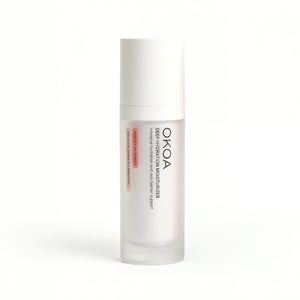
Okoaskin Deep Hydration Moisturizer
$29.90 · $24.91 on subscription · glycerin, shea butter, baobab oil, avocado oil
Our daily face moisturizer puts glycerin fourth on the label, then shea butter and baobab oil for a soft, cushioned finish, with avocado oil, lingonberry and cloudberry extracts and a lactobacillus ferment. It lists no fragrance on its ingredient list, and like every Okoa product it is vegan and cruelty-free. It suits normal to dry skin, morning and night; patch test first if your skin reacts easily.
- Glycerin near the top, then butters and oils
- No fragrance on the ingredient list
- 90-day money-back guarantee
Shop now90-day money-back guarantee

La Roche-Posay Toleriane Double Repair Face Moisturizer
$24.99 / 100 ml · ceramide NP, niacinamide, glycerin, prebiotic thermal water
A light, fragrance-free lotion with ceramide NP and niacinamide that suits sensitive, easily flushed skin. It layers well under sunscreen and makeup.
- Ceramide plus niacinamide
- Fragrance-free
- Light lotion, may be too light for very dry skin

Neutrogena Hydro Boost Hyaluronic Acid Water Gel
$19.97 / 48 g · hyaluronic acid
A water gel that hydrates with hyaluronic acid and absorbs quickly, leaving almost no residue. This version contains fragrance; Neutrogena also sells a fragrance-free twin.
- Very light gel texture
- Good under makeup
- Contains fragrance (fragrance-free version sold separately)

Anua PDRN Hyaluronic Acid 100 Moisturizing Cream
$31 / 60 ml · PDRN, 10 types of hyaluronic acid, hydrolyzed collagen, niacinamide
A bouncy cream built on PDRN (a DNA-derived ingredient popular in Korean skincare), ten forms of hyaluronic acid and niacinamide. It suits dehydrated skin that wants a plump, dewy finish, and it lists no fragrance.
- Layered hyaluronic acid
- Fragrance-free
- Newer ingredient with limited published data

Vanicream Daily Facial Moisturizer
$13.99 / 89 ml · five ceramides, hyaluronic acid, squalane
A short, fragrance-free formula with five ceramides, hyaluronic acid and squalane, made for skin that reacts to almost everything.
- Five ceramides
- Free of common irritants
- Plain, no-frills feel

Dr.Althea 345 Relief Cream
$27 / 50 ml · niacinamide, sodium hyaluronate, centella asiatica
A light cream with niacinamide, centella and hyaluronic acid for combination skin that breaks out easily. It lists no fragrance but contains tea tree leaf water.
- Niacinamide plus centella
- Light gel-cream
- Contains tea tree leaf water

L'Oréal Paris Collagen Moisture Filler Day/Night Cream
$10.49 / 50 ml · soluble collagen
An inexpensive, cushioned cream that uses collagen as a surface moisturizer. It hydrates and softens, but topical collagen does not rebuild the skin's own collagen. It contains fragrance; a fragrance-free version exists.
- Very low price
- Day and night use
- Contains fragrance

Bobbi Brown Vitamin Enriched Face Base+ Moisturizer & Primer
$70 / 50 ml · niacinamide, vitamin C (ascorbyl glucoside), hyaluronic acid
A moisturizer and primer in one, with niacinamide and a vitamin C derivative, made to sit under makeup. It is scented with grapefruit peel and geranium oils.
- Moisturizer plus primer
- Smooth base for makeup
- Scented with essential oils, premium price
How to choose a face moisturizer for your skin type
The best moisturizer for you comes down to your skin type and the texture that fits it. Match the formula to how your skin behaves day to day, then adjust for the season.
Dry or dehydrated skin
Reach for a richer cream with barrier lipids and occlusives. Ceramides, shea butter, and (for very dry skin) petrolatum hold moisture in overnight. The CeraVe Moisturizing Cream and the Okoaskin Deep Hydration Moisturizer both sit here: CeraVe leans more occlusive, Okoaskin layers shea and baobab over a ferment-and-prebiotic base.
Oily or combination skin
Go lighter. A water gel or gel-cream hydrates without the heavy finish that makes oily skin feel greasy or look shiny by midday. The Neutrogena Hydro Boost Water Gel is the obvious fit; the Anua PDRN Hyaluronic Acid 100 Cream is a lightweight cream option if you want more of a K-beauty glow.
Sensitive or reactive skin
Fragrance-free is the safer default, with a short, barrier-focused ingredient list. Vanicream Daily Facial Moisturizer and La Roche-Posay Toleriane Double Repair are built for this, and the fragrance-free Okoaskin Deep Hydration Moisturizer works here too. If you also break out, the Dr. Althea 345 Relief Cream pairs soothing actives with a light texture. Snail mucin is another popular hydrator, and what snail mucin is comes down to the filtered secretion snails produce, processed into essences, serums and creams.
Normal or mature skin
You have the most flexibility. A comfortable daily cream that supports the barrier and layers well under SPF and makeup is the goal. The Okoaskin Deep Hydration Moisturizer is a strong everyday base; the L'Oréal Paris Collagen Moisture Filler adds a plumping, anti-aging lean at a low price, and the Bobbi Brown Vitamin Enriched Face Base doubles as a makeup primer.
A note on your neck and décolleté
For hydration, you do not need a separate neck product. Most well-formulated face moisturizers work on the neck and chest, where the skin is thinner and tends to show dryness and aging earlier than the face.
What matters more is remembering to extend your routine downward: take your moisturizer, and your SPF, from the jawline to the collarbone. Richer creams like the Okoaskin Deep Hydration Moisturizer or CeraVe Moisturizing Cream work well on both areas. If firmness on the neck is the goal, a face and neck firming cream such as the Okoaskin Dual Action Lifting Cream adds that step, and our best neck firming cream roundup breaks down the picks worth considering.
Frequently asked questions
How do I choose the right face moisturizer for my skin type?
Match the texture to your skin. Dry or mature skin does best with a richer cream built on ceramides and emollients; oily or combination skin does best with a lightweight gel or gel-cream; sensitive skin does best with a short, fragrance-free formula. From there, check the ingredient list for humectants like glycerin and hyaluronic acid, barrier lipids like ceramides, and soothing actives like niacinamide or panthenol.
How often should I apply face moisturizer?
Twice a day for most people, in the morning and at night, applied to slightly damp skin to help lock in moisture. In the morning, follow with a broad-spectrum SPF. Oily skin can sometimes get away with once a day, but skipping moisturizer entirely can push the skin to produce more oil to compensate.
Do oily or acne-prone skin types still need a moisturizer?
Yes. Oily and acne-prone skin still needs hydration; it just needs the right texture. A lightweight, oil-free water gel or a non-comedogenic lotion hydrates without clogging pores or adding shine. Skipping moisturizer often makes oiliness worse, because a dehydrated barrier can trigger more oil production.
What ingredients should I look for in a face moisturizer?
Look for humectants that draw in water (glycerin, hyaluronic acid), barrier lipids that rebuild the skin's protective layer (ceramides), emollients that soften (squalane, plant oils), and soothing actives (niacinamide, panthenol, centella). Very dry skin also benefits from an occlusive like shea butter or petrolatum to seal everything in.
Is a fragrance-free moisturizer better?
For sensitive, reactive, or eczema-prone skin, yes, because fragrance is one of the most common causes of cosmetic skin reactions. Fragrance-free options like Vanicream, La Roche-Posay Toleriane Double Repair, and the Okoaskin Deep Hydration Moisturizer, which lists no fragrance on its ingredient list, lower that risk. If your skin tolerates fragrance well, a scented formula is not harmful; it becomes a comfort and preference choice.
Can I use the same moisturizer all year round?
You can, but many people switch textures with the seasons. A lighter gel or lotion feels better in humid summer months, while a richer cream is more comfortable in cold, dry winter air when the barrier loses water faster. If you keep one moisturizer year-round, choose the texture that matches your skin most of the time and layer a facial oil in winter if you need more.
Do I still need a moisturizer if I use sunscreen or anti-aging products?
Usually yes. Sunscreen protects against UV but is not a substitute for barrier hydration, and active treatments like retinol can be drying, so a moisturizer keeps them tolerable. A good moisturizer is the step that supports the barrier so the rest of your routine works better.
Read more
Compare SkinMedica TNS Advanced+ Serum vs Okoaskin Dual Action Lifting Cream, including ingredients, results, price and which suits your skincare goals. tns-advanced-serum-vs-okoa-dual…
CeraVe vs Cetaphil compared by ingredients, cleansers, moisturizers, price and skin type. See which is better for dry, sensitive or eczema-prone skin.