


Last updated October 26, 2026
The best skincare routine for mature skin in your 40s to 60s
The best skincare routine for mature skin is a short one. In the morning, cleanse gently, apply an antioxidant serum, moisturize, add a firming cream and finish with sunscreen. At night, cleanse, use a retinoid two to three nights a week, then moisturize and apply your firming cream. Five steps, used every day, do more for your skin than a ten-step routine you give up on after two weeks.
The reason is how skin changes with age. In your 40s, 50s and 60s, cell turnover slows, collagen gradually declines, skin feels drier, and years of sun exposure show more clearly in tone and texture. Each step below answers one of those changes, which is why none of them is optional and why you do not need more.
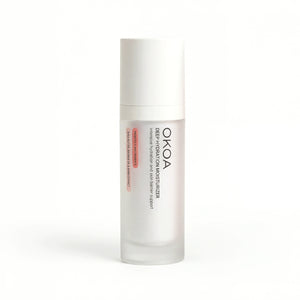 Deep Hydration Moisturizer$29.90 or $24.91/moShop now
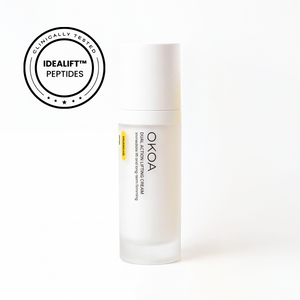 Dual Action Lifting Cream$61.90 or $44.88/moShop now
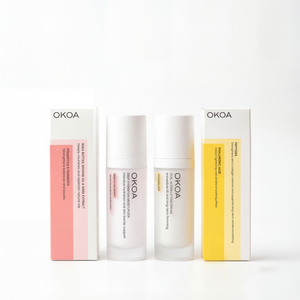 Hydrate & Lift set$81.90 for bothShop now
What counts as mature skin?
Mature skin is a pattern, not a birthday. It usually shows up as dryness or tightness, dullness, fine lines, uneven tone, slower recovery after irritation, and a loss of firmness or bounce. Some people notice these changes earlier, especially with a lot of sun exposure, a smoking history or naturally dry skin, and others see them later. The point is to give your skin what it needs now.
Most routines that stop working share the same few problems: too many strong actives layered at once, sunscreen used only some of the time, products swapped every few weeks, and the hope that one cream will handle dryness, discoloration, fine lines and deeper sagging on its own. Putting products on in the right skincare routine order, thinnest first and sunscreen last, keeps strong actives from working against each other. A steady routine your skin tolerates beats a maximal one almost every time. For the cream step, the best anti-aging creams each have one clear job: retinol for surface renewal, peptides for firmness, ceramides for the barrier or SPF for daily protection.
The morning routine for mature skin
A good morning routine protects collagen, keeps skin hydrated and helps it look fresher without overwhelming it. The plan stays the same whether you are in your 40s, 50s or 60s; what changes is how dry your skin is, how sensitive it is and how much support the barrier needs. Mornings tend to improve radiance and hydration faster than firmness, so judge them on that first.
Cleanse gently or just rinse
If your skin feels comfortable in the morning, a lukewarm water rinse is enough. If you wake up oily or with leftover night products, use a gentle low-foam cleanser. The goal is clean skin without that stripped, tight feeling, because over-cleansing leaves mature skin looking flatter and more reactive.
Add one antioxidant serum
Vitamin C is the classic morning treatment: it gives antioxidant support and helps brighten uneven tone. If it irritates you, niacinamide is a well-tolerated alternative that supports the barrier and evens tone over time. One serum is enough here. OKOA's Vitamin C Brightening Serum is our vitamin C serum for this step, and keeping vitamin C in the morning leaves the evening free for retinol.
Moisturize first and then firm
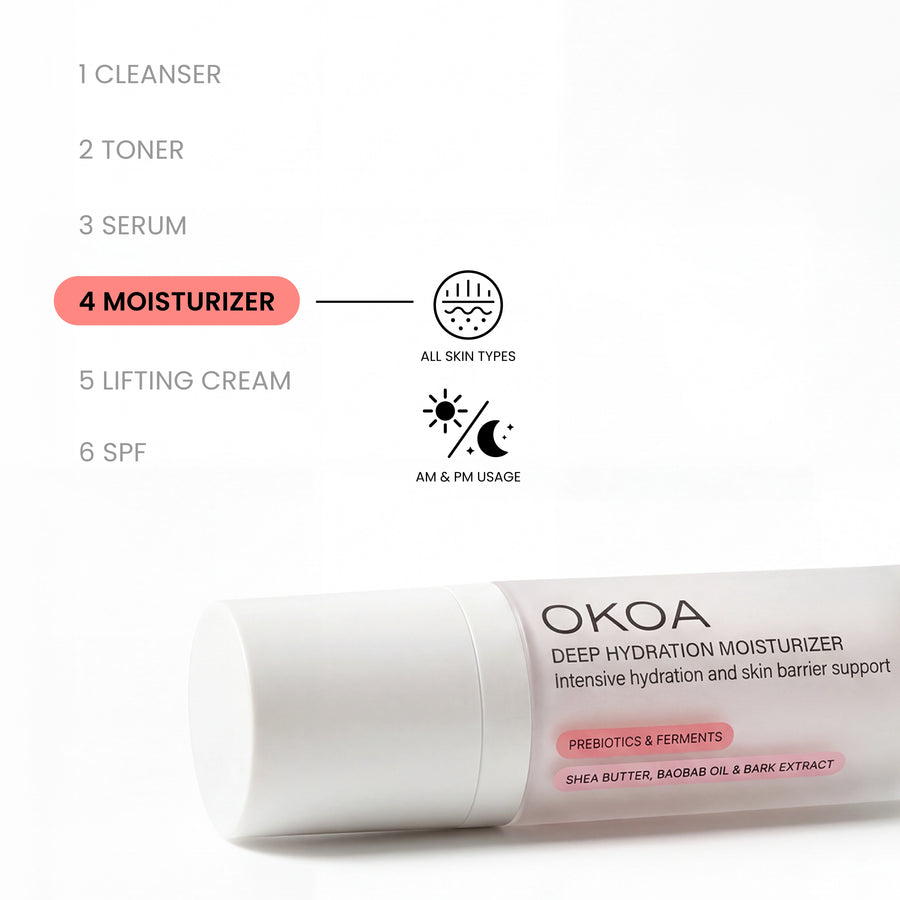
Mature skin does best with a moisturizer that combines humectants, which draw water into the skin, with nourishing lipids that slow how fast it leaves. Glycerin is a humectant, and shea butter and baobab oil are lipids; all three are in our Deep Hydration Moisturizer, a moisturizer for mature skin that absorbs quickly and works morning and night. Oily but dehydrated skin still needs this step, because dehydration and dryness are not the same thing.
Then apply a firming cream over the moisturizer, on the face and the neck. This is the step that works on firmness, and it is the one most routines leave out. OKOA's Dual Action Lifting Cream does two jobs: a tightening film gives a smoother look within minutes, and 4% IDEALIFT (acetyl dipeptide-1 cetyl ester), a peptide from Sederma (Croda Beauty), works on firmness over the following weeks. Let it set for a minute before sunscreen or makeup.
Finish with SPF every day
If one step is non-negotiable, it is this one. Daily sunscreen matters because UV exposure drives visible aging and quietly undoes every other product in your routine. Apply a broad-spectrum SPF 30 or higher every morning to the face, neck and chest, and use a full amount: makeup or moisturizer with SPF rarely gets there on its own. If you use a retinoid or exfoliating acids, sunscreen matters even more.
The night routine for mature skin
Night is the renewal half of the plan, and tolerability still comes first. Among night actives, retinoids remain the most established topical option for fine lines, texture and sun damage, but they need a slow start, especially on dry or sensitive skin.
Cleanse without stripping
Wash away sunscreen, makeup and the day's buildup. Double cleanse only if you wear heavy makeup or water-resistant sunscreen; otherwise one gentle cleanse is enough. Skip harsh scrubs, cleansing brushes and strong foaming formulas.
Use a retinoid your skin can handle
For fine lines, texture and visible sun damage, start retinol two to three nights a week and build up slowly. If your skin is easily irritated, apply moisturizer first and the retinoid on top, and keep strong exfoliating acids off the same nights. The usual plan for when to apply retinol builds from two or three nights a week to every other night over about six weeks. Our pick for this step is OKOA's Retinol Firming Serum, a retinol serum made for firming.
Moisturize and firm again
Follow with your moisturizer, then the firming cream. Peptides were the subject of a 2026 review of randomized trials on hydration, elasticity and wrinkles, and they are a good fit for mature skin because they work steadily without the dryness a retinoid can bring. On the nights you skip the retinoid, this step keeps your routine working. The Dual Action Lifting Cream contains no retinoid, so it sits alongside retinol rather than competing with it.
How often should mature skin exfoliate?
Once or twice a week is enough for most people, with a gentle AHA such as lactic or mandelic acid, and less if you already use a retinoid. Mild exfoliation helps with dullness and rough texture, but over-exfoliating is one of the fastest ways to make mature skin look worse. Redness, stinging, peeling or sudden sensitivity mean it is time to pull back.
How to choose products for your skin type and budget
The best routine matches your biggest concern, your skin's tolerance and your budget, not the longest product list. For fine lines and firmness, lean on a retinoid, a peptide firming cream and daily SPF. For dryness and barrier repair, choose humectants and nourishing lipids. For uneven tone, vitamin C, niacinamide, gentle exfoliation and SPF do the work. For dullness, hydration and mild exfoliation help most.
If money is tight, a gentle cleanser, a moisturizer, sunscreen and one treatment will outperform a shelf of half-used serums. Texture, fragrance tolerance and price-to-value decide whether an anti-aging cream for your 60s stays in the routine. A multitasking cream that firms and hydrates can also replace two separate products.
If your biggest concern is crepey texture or firmness
Hydration improves crepey texture fairly quickly, so start there, then add the firming step. Hydration makes skin look smoother and fuller at the surface, and a peptide firming cream works on firmness over weeks; you need both. In Sederma's two-month, placebo-controlled study of IDEALIFT at the 4% level used in our cream, 26 women with a mean age of 62 saw the jowl area measure 11.3% more lifted, and over 80% reported firmer-looking skin. That study is reported in Sederma's IDEALIFT technical bulletin, and the ingredient is listed on Croda Beauty's IDEALIFT page. That is supplier research on the ingredient, not an independent trial of the finished cream.
If your skin is sensitive or reactive
Keep the routine short and introduce one new product at a time, patch testing each one. Choose fragrance-free formulas where you can, and support the barrier before you reach for stronger actives. Our Lifting Cream contains fragrance, so patch test it first. If your skin burns, stings, flakes or stays red, the answer is rarely another active.
What a mature skin routine can improve and when to expect it
A good routine improves hydration, texture, brightness and the look of fine lines, and with a firming step it supports firmer-looking skin too. Each change runs on its own clock:
Retinoids and peptides reward consistency, so judge them after several weeks, not several days. A routine will not lift significant sagging, replace lost volume or do what a procedure does; for deeper sagging, pronounced laxity or excess skin, in-office treatments work at a different level. Skincare then shifts from correction to support and maintenance.
Common mistakes that make mature skin look worse
The usual mistakes are practical ones: over-exfoliating, combining too many strong actives, skipping sunscreen, changing products too often and treating dehydration as if it were dryness. Each one leaves skin rougher, duller, tighter or more reactive than it needs to be. Start with the morning plan, build an evening plan you can keep, and evaluate after several weeks.
If you want the whole routine in one place, our skincare for mature skin collection groups every step, from serum to firming cream.
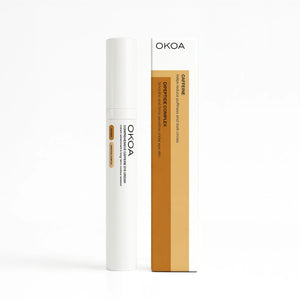 Caffeine Eye Cream$44.90Shop now
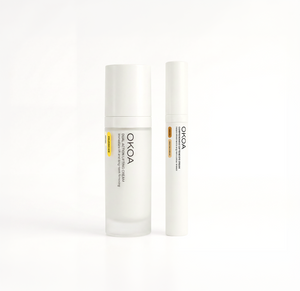 The Double Lift set$79.90 for bothShop now
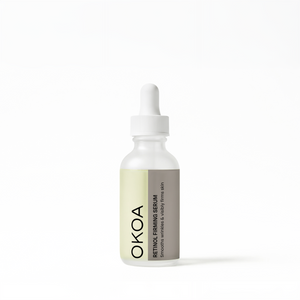 Retinol Firming Serum$44.90Shop now
FAQ
What is the best skincare routine for mature skin?
A short one, used every day. In the morning: gentle cleanser, antioxidant serum, moisturizer, firming cream and SPF. At night: gentle cleanser, a retinoid two to three nights a week, then moisturizer and firming cream. Consistency matters more than the number of products.
What skincare ingredients work best for mature skin?
Retinoids for fine lines and sun damage, peptides for firmness support, humectants such as glycerin and hyaluronic acid for hydration, nourishing lipids for the barrier, vitamin C for antioxidant support, niacinamide for tone, and broad-spectrum sunscreen every day.
What order should I apply skincare for mature skin?
Thinnest to thickest. In the morning: cleanser, serum, moisturizer, firming cream, then sunscreen last. At night: cleanser, retinoid, moisturizer, firming cream. Eye cream goes on around the eyes after your moisturizer.
What is the best anti-aging regimen for your 50s?
The same structure as any decade, adjusted for dryness. Use a gentle cleanser, vitamin C or niacinamide, moisturizer, a firming cream and SPF in the morning. At night, use a retinoid if your skin tolerates it, then moisturizer and the firming cream. If retinoids are too irritating, peptides and a richer moisturizer still support the skin well.
What is the best inexpensive skincare over 60?
A focused routine: gentle cleanser, a reliable moisturizer, daily sunscreen and one treatment that matches your main concern. Expensive does not automatically mean better; good formulation and regular use matter more.
Should mature skin use retinol every night?
Not necessarily. Many people with mature skin do better with retinol two to three nights a week, increasing only if the skin stays comfortable. A frequency you can keep up beats nightly use that leaves you irritated.
Read more
Find the best toner for dry, oily, sensitive, and mature skin with a clear guide to ingredients, application, and realistic results.
✓ Expert Reviewed Written ByAshley MangtaniContent Writer Reviewed ByLindi GraceR&D Cosmetic Chemist Last updated October 26, 2026 What changed Added the morning and night ski...