Skip to content

Best Toner for Face: How to Choose the Best Toner for Your Skin Type

Last updated

July 19, 2026

  • Reviewed the leading toners and confirmed every pick for current formula, price, and stock.

Do You Actually Need a Toner?

Toner is one of those skincare steps that many people question, and fairly so. For years, toners were often harsh, alcohol-heavy formulas that left skin feeling squeaky, tight, and not especially healthy. If that is your reference point, the skepticism makes sense.

Modern toners are different. The best toner is not automatically necessary for everyone, but it can be useful when it fills a specific gap in your routine. Some formulas help bring hydration back into the skin after cleansing. Others deliver gentle exfoliating acids, calming ingredients, or light brightening support. Used well, toner can be a helpful supporting step.

What it cannot do is replace the basics. Toner does not take the place of cleanser, moisturizer, sunscreen, or prescription treatment when that is what your skin actually needs. It also is not a shortcut to poreless, perfectly even skin.

That is why the best toner is not one universal bottle. It is the formula that matches your skin type, your main concern, and your tolerance for active ingredients.

What a toner is meant to do today

Today, toner is best understood as a leave-on liquid step used after cleansing. Depending on the formula, it may add hydration, calm the skin, or deliver mild exfoliating ingredients. Some are thin and watery. Others, especially milky toners, have a slightly more cushioning texture.

A good toner should support your routine, not complicate it. If your skin feels tight after washing, a hydrating toner may help. If you deal with recurring congestion, a well-formulated exfoliating toner may be useful. If your skin is reactive, a simple soothing toner can sometimes do more good than a complicated serum.

What toner cannot do

It helps to set expectations early. Toner may improve the appearance of dryness, surface texture, dullness, or mild congestion, but it will not transform your skin on its own.

It will not permanently shrink pores. It will not replace moisturizer if your barrier is dry or compromised. It will not outwork daily SPF when sun exposure is driving visible aging or uneven tone. And it will not substitute for acne medication if you are dealing with persistent or more severe breakouts.

In other words, toner can be useful. It just works best as a supporting step, not the whole plan.

Quick Takeaway

Toner is a supporting step, not a hero. The best one matches your skin type and your main concern: hydration for dry or sensitive skin, gentle acids for oily or congested skin, and calm over strong actives for reactive skin.

How to Choose the Best Toner for Your Skin Type

Our POV

We compared toners across every skin type in the table below, from budget drugstore bottles to the formulas we benchmark our own pads against. The aim is useful guidance, not a sales pitch: each pick genuinely wins for a specific concern, and we will point you to the right one even when it is not ours.

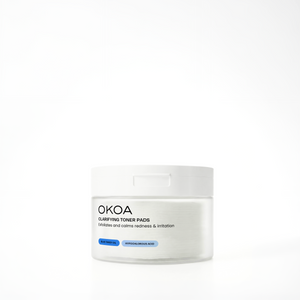
OKOA Clarifying Toner Pads

Hypochlorous acid + aloe stem-cell + blue tansy

OKOA Clarifying Toner Pads

Reactive skin usually does better with a calming sweep than a stripping one. These pre-soaked pads calm the look of redness and irritation with no acids and no added fragrance, so sensitive, easily-upset skin can use them across the whole face.

Shop now →

The 12 Best Toners for Face at a Glance

Here is the curated shortlist we keep coming back to across skin types and concerns. Prices are approximate in USD and shift with sales and retailer, so re-check before you buy.

Comparison of 12 face toners, with the best-for use case, the area each suits, an approximate USD price, and the key active for each.
Product Best for Area Price Key active
The OrdinaryGlycolic Acid 7% Exfoliating Toner Best Budget Exfoliating Toner Face + body $9240 ml Glycolic acid 7%, amino acids, aloe, ginseng
OKOAClarifying Toner Pads Best Calming Pads for Sensitive, Reactive Skin Face + targeted $47.90 Hypochlorous acid (HOCl), All In One aloe stem-cell, blue tansy, vitamin E
CeraVeHydrating Toner Best Drugstore Toner for Dry Skin Face + neck $12200 ml Niacinamide, ceramides, hyaluronic acid
The OrdinarySaccharomyces Ferment 30% Milky Toner Best Overall Gentle Toner Face + neck $14100 ml Saccharomyces ferment 30%, hyaluronic acid, amino acids
La Roche-PosayEffaclar Clarifying Solution Best for Oily, Acne-Prone Skin Face + body $18.99200 ml Salicylic acid, glycolic acid, LHA
MedicubeZero Pore Pad 2.0 Best Exfoliating Pads for Pores Face $18.9070 pads 4.5% AHA (lactic), 0.45% BHA (salicylic), witch hazel
IsntreeUltra-Low Molecular Hyaluronic Acid Toner Best Hydrating Toner for Dehydrated Skin Face + neck $16300 ml Multi-weight hyaluronic acid, glycerin, panthenol
AnuaHeartleaf 77 Soothing Toner Best K-Beauty Toner for Sensitive Skin Face $20250 ml Heartleaf (Houttuynia) 77%, panthenol
FarmacyBrighten Up 3% TXA Dark Spot Toner Best for Dark Spots and Brightening Face $34150 ml Tranexamic acid 3%, azelaic acid, niacinamide
LaneigeCream Skin Cerapeptide Toner Best Milky Toner for Dry, Mature Skin Face + neck $34170 ml Ceramides, peptides, white leaf tea, hyaluronic acid
SkinCeuticalsLHA Toner Best for Mature Skin and Large Pores Face $44200 ml LHA, glycolic acid, salicylic acid
FreshRose Deep Hydration Toner Best Premium Hydrating Toner Face + neck $48250 ml Rose water, hyaluronic acid, angelica leaf

Sizes and actives pulled from each brand's most recent listing. Prices fluctuate by retailer and sale, so re-check before purchase.

The picks, one by one

A short take on each toner in the table, in the same order: what each formula does best, the area it suits, and who should reach for it.

Best for: Budget Exfoliating Toner

The Ordinary Glycolic Acid 7% Exfoliating Toner

$9 · 240 ml · glycolic acid 7%, amino acids, aloe, ginseng

The cult budget exfoliator. A 7% glycolic acid solution sweeps away dull surface buildup, with aloe and ginseng softening the experience a little. It works on the face and can also be used on body areas like the back or arms where rough texture and congestion show up.

Choose this if you want visible smoothing and glow on a tight budget, your skin already tolerates acids, and you will keep it to a few nights a week with daily SPF.

Best for: Sensitive, Reactive Skin

OKOA Clarifying Toner Pads

$47.90 · pre-soaked pads · no acids, no added fragrance

The calming pick. Pre-soaked pads built around hypochlorous acid, All In One aloe stem-cell, blue tansy, and vitamin E, so the sweep calms the look of redness and irritation instead of stripping. With no acids and no added fragrance, they are an easy fit for reactive, easily-upset skin, and they work across the whole face or on targeted flare-prone spots. Backed by a 90-day money-back guarantee.

Choose this if your skin reacts to strong actives and fragrance and you want a soothing, non-stripping toning step that calms the look of redness across all skin types.

Best for: Drugstore Toner for Dry Skin

CeraVe Hydrating Toner

$12 · 200 ml · niacinamide, ceramides, hyaluronic acid

An alcohol-free hydrating toner with niacinamide, three essential ceramides, and hyaluronic acid. It restores comfort after cleansing and supports the barrier rather than resurfacing, so it suits dry and easily-tight skin. Gentle enough to sweep across the face and down the neck twice a day.

Choose this if your skin runs dry and you want an affordable, barrier-supportive toner you can use every day.

Best for: Overall Gentle Toner

The Ordinary Saccharomyces Ferment 30% Milky Toner

$14 · 100 ml · saccharomyces ferment 30%, hyaluronic acid, amino acids

A milky, low-irritation toner led by 30% saccharomyces ferment plus hyaluronic acid and amino acids for a soft, hydrated finish. It supports a brighter, more even-looking surface gently and without acids, which makes it a versatile daily pick for most skin types on face and neck. Light enough to layer under serums.

Choose this if you want one gentle, hydrating toner that plays well with the rest of your routine.

Best for: Oily, Acne-Prone Skin

La Roche-Posay Effaclar Clarifying Solution

$18.99 · 200 ml · salicylic acid, glycolic acid, LHA

A clarifying liquid that combines salicylic acid, glycolic acid, and LHA to loosen buildup and help keep pores clearer. It suits oily and breakout-prone skin, and can be swept over body areas that tend to congest. Introduce it slowly and pair it with moisturizer and daily SPF.

Choose this if shine and clogged pores are your main issue and your skin tolerates layered acids.

Best for: Exfoliating Pads for Pores

Medicube Zero Pore Pad 2.0

$18.90 · 70 pads · 4.5% AHA (lactic), 0.45% BHA (salicylic), witch hazel

Textured, pre-soaked pads with 4.5% lactic acid, 0.45% salicylic acid, and witch hazel to sweep away buildup and refine the look of pores. They are best on the face on congestion-prone nights, a few times a week rather than daily. The pad format keeps application quick and even.

Choose this if you want a convenient exfoliating pad focused on visible pores and rough texture.

Best for: Hydrating Toner for Dehydrated Skin

Isntree Ultra-Low Molecular Hyaluronic Acid Toner

$16 · 300 ml · multi-weight hyaluronic acid, glycerin, panthenol

A watery hydrating toner packed with several weights of hyaluronic acid plus glycerin and panthenol. It layers well for that plumped, dewy feel and eases the tight sensation dehydrated skin gets after cleansing. Use it on face and neck morning and night.

Choose this if dehydration and tightness are your concern and you like layering thin hydrating toners.

Best for: K-Beauty Toner for Sensitive Skin

Anua Heartleaf 77 Soothing Toner

$20 · 250 ml · heartleaf (Houttuynia) 77%, panthenol

A K-beauty favorite built around 77% heartleaf extract with panthenol to comfort skin that flushes and reacts easily. The formula is light, fragrance-light, and focused on calm rather than active exfoliation. A gentle daily face option for sensitive types.

Choose this if you want a simple, soothing K-beauty toner for reactive skin.

Best for: Dark Spots and Brightening

Farmacy Brighten Up 3% TXA Dark Spot Toner

$34 · 150 ml · tranexamic acid 3%, azelaic acid, niacinamide

A targeted brightening toner with 3% tranexamic acid, azelaic acid, and niacinamide to help even the look of dark spots and post-blemish marks over time. It is best worked into a face routine gradually, alongside daily sunscreen. Results build over weeks, not days.

Choose this if uneven tone and lingering dark spots are your priority.

Best for: Milky Toner for Dry, Mature Skin

Laneige Cream Skin Cerapeptide Toner

$34 · 170 ml · ceramides, peptides, white leaf tea, hyaluronic acid

A cushiony cream-textured toner with ceramides, peptides, white leaf tea, and hyaluronic acid that behaves almost like a light moisturizer. It adds comfort and softness to dry or mature skin without aggressive exfoliation, on face and neck. A good option when skin wants support rather than stripping.

Choose this if your skin is dry or mature and you prefer a nourishing milky toner.

Best for: Mature Skin and Large Pores

SkinCeuticals LHA Toner

$44 · 200 ml · LHA, glycolic acid, salicylic acid

A resurfacing toner that combines LHA with glycolic and salicylic acids to refine the look of texture, pores, and dullness on mature skin. It is stronger than most on this list, so slower introduction and diligent SPF matter. Use it on the face only, a few evenings a week.

Choose this if you want a clinical-style exfoliating toner for texture and visible pores.

Best for: Premium Hydrating Toner

Fresh Rose Deep Hydration Toner

$48 · 250 ml · rose water, hyaluronic acid, angelica leaf

A rose-water hydrating toner with hyaluronic acid and angelica leaf for a soothing, comfortable finish and a light rosy scent. It is a treat-yourself hydrating step for face and neck rather than an active treatment. Best for those who want comfort and a sensorial routine.

Choose this if you want a premium, fragrant hydrating toner and scent is a plus for you.

Before looking at product labels, decide what you actually want the toner to do. That matters more than whether the bottle is expensive, trending, or marketed as "clean," "glass skin," or "pore perfecting."

A practical framework is to identify your main goal first:

  • Hydration
  • Oil control
  • Gentle exfoliation
  • Calming redness
  • Brightening uneven tone

Once you know the goal, it becomes easier to match the formula to your skin type.

For oily skin, the best toner may be one with salicylic acid or another exfoliating ingredient that helps reduce congestion. For dry skin, the best toner is usually a hydrating formula that supports moisture retention. For sensitive skin, simple and fragrance-light matters more than strong actives. For combination skin, you may need a balanced formula or alternate toner types based on area and season. For mature skin, the best toner usually supports hydration and barrier comfort rather than pushing aggressive exfoliation.

Best toner for dry or sensitive skin

If your skin often feels tight, easily irritated, or prone to visible redness, hydrating toners are the better place to start. Look for ingredients such as hyaluronic acid and ceramides to support moisture retention and help the skin feel more comfortable after cleansing.

Glycerin, aloe vera, and other humectant or soothing ingredients can also help reduce that dry, stretched feeling. For dry or sensitive skin, the best toner is usually one that adds water back into the skin and supports the barrier, rather than trying to resurface it aggressively.

Use hydrating toners with ingredients such as hyaluronic acid or ceramides to lock in moisture and calm redness. In this category, less irritation usually matters more than faster results.

Best toner for oily or acne-prone skin

If your skin gets shiny quickly or you are dealing with clogged pores and recurring breakouts, exfoliating toners can be helpful. Salicylic acid is especially useful for oily or acne-prone skin because it is oil-soluble and can help clear inside the pore lining. Glycolic acid may also help with rough texture and buildup on the surface.

Use exfoliating toners with acids such as salicylic or glycolic acid to sweep away dead skin cells, unclog pores, and control oil. The key is to introduce them gradually. More frequent use does not always mean better results. Overdoing acids can leave skin irritated, dehydrated, and paradoxically more reactive.

Best toner for mature or dehydrated skin

Mature skin often needs more support, not more stripping. With age, skin tends to become drier and thinner, and it is usually less forgiving of harsh exfoliation. In this case, the best toner is often a barrier-supportive, hydrating, fragrance-light formula that improves surface comfort and radiance without pushing the skin too hard.

A gentle toner can help soften the look of dehydration, reduce that papery or crepey surface feel, and make the rest of your routine layer more comfortably. If exfoliation is needed, it is usually better to keep it mild and infrequent.

Best toner korean and milky toner trends

Korean toners and milky toners have become popular for a reason. Many of them focus on layering, hydration, and barrier support rather than stripping the skin. That approach appeals to people who want skin to feel calmer and look healthier, not just more aggressively treated.

Milky toners in particular often combine humectants, emollients, and barrier-supportive ingredients in a lightweight fluid texture. They can be a good fit for dry, dehydrated, or mature skin.

That said, formulation quality matters more than origin. A Korean toner is not automatically better because it is Korean, and a milky toner is not automatically right for every skin type. The ingredient list still matters most.

The Ingredients That Matter Most in the Best Toner

Shopping for toner gets much easier when you look at ingredients by function. Most good toners fall into one or more of four categories: hydrating, exfoliating, soothing, or brightening.

A hydrating toner focuses on water balance and comfort. An exfoliating toner helps with texture, congestion, or excess oil. A soothing toner is designed to calm skin that is easily irritated. A brightening toner may help improve the appearance of uneven tone over time.

It is also worth watching for common irritants. Strong fragrance, high alcohol content, and overly aggressive acid blends can be a problem, especially if your skin is dry, sensitive, or already using other active products.

Hydrating and barrier-supportive ingredients

For dehydration, tightness, or a rough, crepey surface feel, look for humectants and barrier-supportive ingredients.

Helpful examples include:

  • Hyaluronic acid
  • Glycerin
  • Ceramides
  • Aloe vera

Hyaluronic acid and glycerin draw water into the upper layers of skin, which can improve the look of dehydration fairly quickly. Ceramides help support the skin barrier and reduce moisture loss. Aloe vera can add a soothing effect in some formulas.

These ingredients can make skin feel softer and look less dull or flaky, especially when followed with moisturizer. The effect is real, but it is important to frame it correctly. Immediate plumpness usually comes from better hydration at the surface, not from structural change deeper in the skin.

Exfoliating acids and when they help

Exfoliating toners are useful when the main problem is congestion, excess oil, dullness, or rough texture.

Salicylic acid is usually the best fit for oily or acne-prone skin because it can penetrate oil and help clear clogged pores. Glycolic acid works more at the surface and can improve the appearance of dullness and uneven texture. Lactic acid is often gentler than glycolic acid and may suit skin that wants mild exfoliation without as much sting.

More is not always better here. Stronger percentages and more frequent use increase irritation risk. If you already use retinoids, benzoyl peroxide, or leave-on exfoliants elsewhere in your routine, adding an acid toner may be too much unless you space things carefully.

Reality Check

More is not more with acid toners. Stacking an acid toner with a retinoid, a scrub, or benzoyl peroxide is the fastest way to a stinging, flaking barrier. Pick one main exfoliating approach and give it weeks, not days.

Soothing and brightening support ingredients

Niacinamide is one of the more versatile ingredients to look for in a toner. It may help improve the appearance of uneven tone, support the barrier, and reduce visible redness over time. It is generally well tolerated, though very high concentrations can irritate some people.

Calming botanical ingredients can also be useful, especially in formulas aimed at sensitive skin. Aloe vera is one example. The key is to keep claims realistic. These ingredients may help skin look calmer and more even. They are not a cure for every type of redness or discoloration.

If your skin reacts easily, a simple formula with a few supportive ingredients is often a better choice than a toner trying to do everything at once.

OKOA Clarifying Toner Pads
Best for: Sensitive, Reactive Skin

OKOA Clarifying Toner Pads

Pre-soaked calming pads with hypochlorous acid, All In One aloe stem-cell, blue tansy, and vitamin E. They soothe the look of redness and irritation without acids or added fragrance, so reactive skin gets a non-stripping toning step it can actually tolerate.

$47.90Price
No acidsNon-stripping
90-dayMoney-back guarantee
View product →

How to Use Toner Correctly in Your Routine

A good toner can still be unhelpful if it is used in the wrong place or too often. Application and frequency matter, especially with exfoliating formulas.

Where toner fits in your routine

Placement is straightforward: always use toner as the second step in your routine, directly after washing and drying your face.

That means the order is:

  1. Cleanser
  2. Toner
  3. Serums or treatments
  4. Moisturizer
  5. SPF in the morning

Toner should not go on top of sunscreen or be used as a replacement for moisturizer.

How to apply toner

You have two practical options.

Application: soak a cotton pad and gently sweep it across your face and neck, or pour a few drops directly into your hands and gently pat the liquid onto your skin.

Both methods can work. Cotton pads can be useful for exfoliating toners or when you want a more traditional sweep across the skin. Hands are often better for hydrating toners because they waste less product and can feel gentler.

How and where to apply them matters just as much as the formula itself. Be gentle. Rubbing aggressively does not make toner work better.

How often should you use toner?

Frequency depends on the type of toner.

Hydrating toners can typically be used twice a day, morning and night. Exfoliating toners should be used much less frequently, usually only a few nights a week.

If your skin is sensitive, start even slower. Once or twice weekly may be enough at first for an acid toner. Watch for signs of overuse such as stinging, flaking, unusual tightness, or increased redness.

Hydrating toners and exfoliating toners should not automatically be treated the same way. One is usually a daily support step. The other is an active treatment step.

Pro Tip

Match frequency to formula. Hydrating toners can go morning and night, while exfoliating toners belong to only a few nights a week. If your skin is sensitive, start once or twice a week and watch for stinging or tightness before you build up.

Can you use toner on your neck and body?

Yes, if the formula makes sense for the area.

No, toner is not only for your face. While traditionally used as a facial skincare step, many people use toners on their body to treat concerns like back acne, dark spots, ingrown hairs, and rough skin patches.

A salicylic acid toner may help on areas prone to body breakouts or ingrown hairs. A hydrating toner may be useful on dry areas that feel rough or tight. The main caution is that the neck and some body areas can be more sensitive than the face, especially with exfoliating acids. Start slowly and follow with moisturizer. If using acids on exposed areas, sunscreen still matters.

Best Toner for Face Concerns: What to Use for Dryness, Oil, Dullness, and Texture

Sometimes it is easier to choose a toner by visible concern rather than by skin type label alone. Many people are dealing with a mix of issues at once.

If your skin feels tight, flaky, or dehydrated

Look for hydrating and milky toner styles with humectants and ceramides. These formulas can help restore surface comfort and reduce that dry, papery feel after cleansing.

This is where ingredients like hyaluronic acid, glycerin, ceramides, and aloe vera tend to be most helpful. Just keep expectations realistic. Immediate softness usually comes from better water balance in the upper layers of skin, not long-term structural change.

If your skin is very dry, toner works best when it is followed with a good moisturizer that helps seal that hydration in.

If your skin is oily, congested, or breakout-prone

A salicylic acid-led exfoliating toner is often the most practical option for recurring congestion. It can help loosen buildup, clear pores, and reduce excess oil over time.

This is also where restraint matters. Avoid stacking too many strong actives in the same routine. For example, using an acid toner, retinoid, and scrub all at once is more likely to irritate your skin than to speed results. Choose one main exfoliating approach and give it time.

If your skin looks dull or uneven

Gentle exfoliating acids and niacinamide can help improve the appearance of tone and texture over time. Glycolic acid or lactic acid may help with surface dullness. Niacinamide can support a more even-looking complexion and a stronger barrier.

SPF needs to be part of this conversation. If you are using exfoliating or brightening ingredients without daily sun protection, you are making the job harder for your skin.

If your skin is reactive or easily irritated

Keep the formula simple. Look for alcohol-light, fragrance-light toners focused on hydration and barrier support rather than active exfoliation.

Reactive skin usually benefits more from fewer variables. A straightforward hydrating toner may help. A heavily fragranced or acid-heavy formula often will not.

If your skin is currently stinging, peeling, or inflamed, the best toner may be no toner for a while.

Common Toner Mistakes and What Results to Expect

Toner tends to disappoint when it is used for the wrong reason or with the wrong expectations. This is also where many routines become more complicated than they need to be.

Mistakes that make toner less effective

A few common mistakes come up again and again:

  • Over-exfoliating with acid toners too often
  • Using alcohol-heavy formulas on dry or sensitive skin
  • Applying too many active products at once
  • Skipping moisturizer after toner
  • Skipping SPF while using exfoliating acids
  • Choosing toner based on trend rather than skin need

One of the biggest mistakes is expecting toner to create poreless skin overnight. That is not how skin works. A better goal is a formula that supports clearer, calmer, or more comfortable skin over time.

How long does toner take to work?

Hydration benefits can be noticeable quickly. A good hydrating toner may make skin feel softer and less tight within days, sometimes immediately after application.

Exfoliating and brightening results usually take longer. Improvements in texture, congestion, or visible dullness often build over several weeks of consistent use, depending on the formula, how often you use it, and how well your skin tolerates it.

If a toner is causing burning, flaking, or persistent redness, that is not a sign that it is "working harder." It is usually a sign to scale back or stop.

When toner may not be the right step

If your skin is already irritated, over-exfoliated, or dealing with a diagnosed condition, adding another active product may not help. In that situation, a simpler routine is often the better move.

A gentle cleanser, moisturizer, and SPF may do more for recovery than trying to force in an exfoliating toner. If you have a diagnosed skin condition or persistent symptoms, it is worth checking with a dermatologist before introducing more actives.

How to Find the Best Toner Without Wasting Money

The calmest way to buy toner is also the smartest one. Read the ingredient list. Match the formula type to your main concern. Ignore the idea that expensive automatically means better.

A good toner earns its place by doing one thing well and fitting into the rest of your routine without causing irritation. That might be hydration. It might be mild exfoliation. It might simply be helping your skin feel less tight after cleansing.

Try to evaluate toner by three things:

  • Tolerance: does your skin stay calm using it?
  • Consistency: can you use it regularly without barrier problems?
  • Support: does it improve the rest of your routine rather than compete with it?

If a toner promises dramatic lifting, pore erasing, or overnight transformation, that is usually a sign to step back. Toner works best when it is practical, not theatrical.

A simple decision guide by skin type

If you want the fastest path to the best toner for face concerns, use this framework:

  • Dry skin: choose a hydrating or milky toner with hyaluronic acid, glycerin, ceramides, or aloe vera.
  • Sensitive skin: choose a simple, fragrance-light, alcohol-light hydrating toner focused on barrier support.
  • Oily skin: choose an exfoliating toner with salicylic acid if clogged pores and shine are the main issues.
  • Acne-prone skin: choose a salicylic acid toner and introduce it slowly, especially if you already use other acne actives.
  • Combination skin: choose based on your main concern, or use hydrating formulas daily and exfoliating ones only where needed or a few nights per week.
  • Mature skin: choose a hydrating, barrier-supportive toner that improves comfort and radiance without aggressive exfoliation.
  • Dull or uneven-looking skin: consider gentle acids or niacinamide, paired with daily SPF.

The best toner is the one that matches your skin's actual needs, not the one with the loudest marketing.

OKOA Clarifying Toner Pads Ready to try?

OKOA Clarifying Toner Pads

A calming, non-stripping toning step for skin that reacts to everything. Hypochlorous acid, All In One aloe stem-cell, and blue tansy soothe the look of redness and irritation, with no acids and no added fragrance, for all skin types.

$47.90 All skin types
Shop the Clarifying Toner Pads →
✓ 90-day money-back guarantee ✓ No added fragrance ✓ Calms the look of redness

FAQ

What is the best toner for face if I have sensitive skin?

Usually, the best toner for sensitive skin is a simple hydrating formula with ingredients such as hyaluronic acid, ceramides, glycerin, or aloe vera. Look for fragrance-light and alcohol-light formulas, and avoid strong acid blends unless your skin already tolerates them well.

Can I use toner every day, or is that too much?

It depends on the type. Hydrating toners can typically be used every day, often morning and night. Exfoliating toners should be used less often, usually only a few nights a week. If your skin becomes tight, red, or irritated, reduce frequency.

What is the best toner for oily skin and clogged pores?

For oily skin and clogged pores, a salicylic acid toner is often the most useful choice because it helps dissolve excess oil and clear congestion inside pores. Glycolic acid may help with surface texture too, but salicylic acid is usually the better starting point for recurrent oiliness and breakouts.

Skin Advisor

What's your #1 toner concern right now?


Share