


Last updated October 26, 2026
What changed
- Added the full editorial byline, with Okoaskin Deep Hydration Moisturizer pricing and guarantee restated in full.
- Reverified the Okoaskin Deep Hydration Moisturizer ingredient list against the product page.
Can you actually minimize pores?
Yes, but with an important qualifier: you cannot erase pores or permanently shrink them. You can, however, make them look smaller with the right routine.
That distinction matters because pore advice is often framed badly. Pores are not a flaw. They are a normal part of skin anatomy, and everyone has them. What most people mean when they search how to minimize pores is usually this: how do I make my skin look smoother, clearer, and less textured?
Pores are openings in the skin that release oil and sweat. They tend to look more visible when they are producing more oil, when dead skin and sebum collect inside them, or when the surrounding skin loses some of its firmness and support. That is why pore visibility can change over time, even if your basic skin type stays the same.
Why pores look larger in the first place
Several things can make pores appear more prominent:
Can you shrink pores permanently?
There is no permanent topical fix for pore size. Skincare cannot close pores or change your genetics. What it can do is improve the conditions that make pores stand out. Vitamin C evens tone and fades the look of dark spots, two benefits of vitamin C that pair well with smoother-looking pores.
With consistent use, the right products may help reduce congestion, smooth surface texture, support the skin barrier, and improve the overall appearance of pores over time.
What causes large pores on the face and nose?
Pore concerns usually show up most on the nose, inner cheeks, and T-zone because these areas tend to have more active oil glands. More oil means more opportunity for shine, congestion, and visible pore openings.
It also helps to separate enlarged pores from two things people often confuse them with:
Blackheads are clogged pores where oil and dead skin have oxidized at the surface, which is why they look dark.
Aging can also change how pores look. As collagen and elasticity gradually decline, the skin around pores may not hold its shape as firmly. Pores can then appear larger, longer, or more obvious, even if oil production has slowed.
If you have a history of acne, repeated inflammation and congestion can make pores look more noticeable as well. In some cases, what looks like enlarged pores may partly reflect post-acne texture changes.
How to minimize pores on your nose
The nose is a special case because it tends to have both more oil activity and more visible sebaceous filaments. That means pore care here usually needs to focus on keeping buildup under control rather than trying to remove pores.
For most people, that means:
- gentle cleansing
- consistent use of salicylic acid or a retinoid
- avoiding aggressive squeezing or pore strips that can irritate the skin without fixing the underlying issue
How to minimize pores on dry oily or combination skin
Skin type changes the strategy.
This is where a lot of pore advice goes wrong. Not every visible pore problem is an oil problem.
The daily routine that helps minimize pores
A pore-focused routine does not need to be complicated. In fact, too many products often make skin look worse by causing irritation, dehydration, or rebound oiliness.
A good routine is usually built around four things:
- gentle cleansing
- leave-on actives used consistently
- moisturizer
- daily sunscreen
If congestion is an issue, choose formulas labeled non-comedogenic where possible and avoid textures that feel overly heavy or greasy on your skin.
Cleanse without overdoing it
Cleanse twice daily at most. In the morning, a gentle cleanse may be enough if your skin feels oily. At night, remove sunscreen, makeup, and the day's buildup thoroughly but without harsh scrubbing.
What tends to backfire:
- overly stripping cleansers
- abrasive scrubs
- washing repeatedly to dry out pores
When skin gets irritated or dehydrated, texture often looks rougher and pores may appear more exaggerated, not less.
Use the ingredients that have the strongest case
If you want to minimize pores, these ingredients have the most practical value:
Retinoids are one of the stronger long-term options for pore appearance and post-acne roughness, so they are worth the slower start.
A simple rule is to start with one active, not three at once. Give it time to work before adding more. Exfoliating toners use glycolic, lactic or salicylic acid to smooth texture, which makes the best toners an easy way to add that one active. Pre-soaked toner pads with AHA or BHA do the same job in a single swipe.
Wear sunscreen every day
Sunscreen belongs in any pore routine. UV exposure breaks down collagen, and collagen loss can make pores look more prominent over time.
That makes SPF part of pore management, not a separate conversation. Daily use matters most, especially if you are using retinoids or exfoliating acids.
Why hydration and moisturizer matter more than most people think
This is one of the most overlooked parts of pore care.
In practice, dehydrated skin can make pores and texture look more obvious, even when the skin also feels oily. That combination is common. Skin can be producing oil while still lacking water, which often shows up as tightness, roughness, or a crepey surface look.
Moisturizer does not tighten pores directly. What it can do is improve surface smoothness, soften rough texture, and support a healthier barrier so the skin looks more even overall.
For pore-prone skin, a good hydration moisturizer usually has:
- a lightweight feel
- humectants that attract water
- barrier-supportive ingredients
- a finish that does not feel overly heavy
What a good hydration moisturizer can do for pores
The right moisturizer can:
- soften roughness at the skin surface
- reduce the look of dehydration lines
- make pores appear less exaggerated
- help skin tolerate active ingredients more comfortably
That last point matters. If your salicylic acid or retinoid routine is leaving skin irritated, your pore results may stall because the skin surface starts looking rougher and less balanced.
Hydration is not a shortcut. It is part of what makes the rest of the routine work better.
Where a lifting moisturizer helps texture and where it does not
If your pore concerns overlap with early visible aging, mild loss of firmness, or skin that feels both textured and less resilient, a more treatment-oriented moisturizer may be worth considering.
In that specific use case, a formula with the IDEALIFT (acetyl dipeptide-1 cetyl ester) peptide, hyaluronic acid, green tea antioxidant, aloe vera, and jojoba and calendula oils may support smoother-looking skin by improving hydration, barrier comfort, and overall surface quality. One option to consider is Okoaskin's Dual Action Lifting Cream.
This is not a pore treatment first, and it should not be framed that way. It may make sense when dehydration and mild laxity are making skin texture and pores more noticeable, and you want a moisturizer that also supports visible firmness. Okoaskin positions it around an immediate visible lift at the surface and longer-term peptide-driven firming support, with a 90-day money-back guarantee that lowers the risk of trying it. If your main issue is heavy congestion or blackheads, a salicylic acid or retinoid product is usually the more direct place to start.
What not to expect from a firming cream
Skincare can improve the appearance of pores. It cannot remove them, permanently close them, or completely change their natural size.
That means a few common pore myths are worth leaving behind:
If you are searching for how to shrink pores permanently, the straight answer is that topicals have a ceiling. They help with oil control, buildup, texture, and skin quality. They do not permanently alter pore structure.
For more significant texture issues, acne scarring, or stubborn enlarged-looking pores, in-office treatments may be worth discussing with a dermatologist. Depending on the concern, that might include:
- chemical peels
- in-office microneedling
- laser treatments
These work at a different level than daily skincare and may be more appropriate when texture changes are deeper or long-standing.
Products to minimize pores
Most worth trying:
- salicylic acid leave-on products
- retinoids
- niacinamide serums or moisturizers
- lightweight hydrating moisturizers
- daily sunscreen
Usually less worth the money:
- gimmicky pore vacuum tools
- harsh physical scrubs
- pore strips as a long-term strategy
- products that promise to close pores permanently
How long does it take to see results?
It depends on what is driving the change.
Think in weeks, not days. That is the timeline that tends to produce realistic expectations.
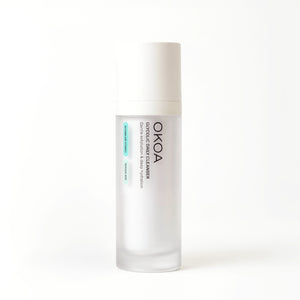 Glycolic Daily Cleanser$29.90Shop now
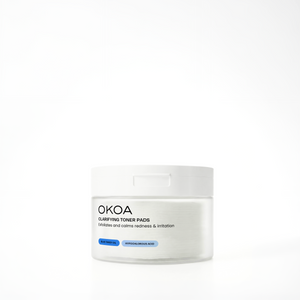 Clarifying Toner Pads$47.90Shop now
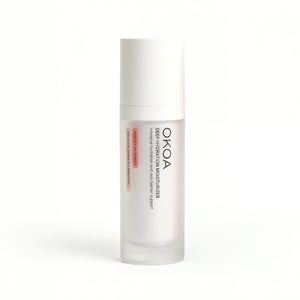 Deep Hydration Moisturizer$29.90 or $24.91/moShop now
FAQ
Can you shrink pores permanently?
No. You cannot permanently shrink pores with skincare. What you can do is reduce the factors that make them look larger, such as congestion, excess oil, rough texture, dehydration, and age-related loss of support.
How do you minimize pores on your nose?
Focus on gentle cleansing, regular salicylic acid or retinoid use, and avoiding aggressive squeezing or pore strips. The nose tends to have more oil activity and more visible sebaceous filaments, so consistency matters more than harsh treatment.
What ingredients actually help minimize pores?
The most useful ingredients are salicylic acid, retinoids, niacinamide, and in some cases AHAs for surface smoothing. Moisturizing ingredients and barrier-supportive formulas also help by improving overall skin texture.
Does moisturizer help reduce the appearance of pores?
Yes, indirectly. Moisturizer does not tighten pores, but it can improve hydration, smooth rough texture, and support the skin barrier, which can make pores look less obvious at the surface.
Why do my pores look bigger as I get older?
As skin ages, it gradually loses collagen and elasticity. That reduced support can make pores look more visible or elongated. Sun exposure over time can make this more noticeable.
How long does it take for products to minimize pores to work?
Hydration can improve the look of skin fairly quickly, but ingredients like niacinamide and retinoids usually need several weeks of consistent use. For most routines, 6 to 12 weeks is a more realistic window for judging results.
What is the Okoaskin Deep Hydration Moisturizer and what is in it?
The Okoaskin Deep Hydration Moisturizer is Okoaskin's daily hydrating moisturizer, and Shea butter and baobab oil are the hero ingredients in it. The Okoaskin Deep Hydration Moisturizer is $24.91 on subscription and $29.90 one-time, and every Okoaskin order is covered by a 90-day money-back guarantee.
Read more
✓ Expert Reviewed Written ByAshley MangtaniContent Writer Reviewed ByLindi GraceR&D Cosmetic Chemist Last updated October 25, 2026 What changed Added the IDEALIFT (acetyl dipe...
Retinal vs retinol explained clearly: strength, irritation, timelines, percentages, and how to choose the right retinoid for your skin.