What makes the best brightening serum worth your time
The brightening serum category is crowded for a reason. Dull skin, dark spots, and uneven tone are common concerns, and brands know that "brightening" sounds appealing. The problem is that many products overpromise. Some lean on vague glow language. Others imply they can erase years of sun damage in a week. Most cannot.
In cosmetic skincare, brightening does not mean changing your natural skin color. It means improving the appearance of dullness, uneven tone, post-acne marks, and skin that looks less clear or less radiant than it used to. That distinction matters. A good serum can help skin look more even, fresher, and healthier. It should not be marketed as a shortcut to an entirely different complexion.
The best brightening serum also depends on what you are actually trying to treat. A formula for dehydration-driven dullness may look very different from one designed for post-inflammatory hyperpigmentation or sun spots. If your skin looks flat because your barrier is compromised, an aggressive acid serum may make things worse. If the issue is stubborn discoloration, a basic hydrating serum may not do enough.
Short on time? Jump straight to the 7 picks, one by one →
That is why the most useful way to shop is ingredient first. Look past the marketing name and ask a few simple questions:
- Which active ingredients are doing the brightening work?
- Are they suited to your actual concern?
- Is the formula likely to be tolerable for your skin type?
- Is the packaging stable enough to protect the actives?
- Will you realistically use it consistently for long enough to see results?
What a brightening serum can and cannot do
A brightening serum may improve the appearance of dark spots, uneven tone, and radiance with consistent use. It may also help skin look smoother and more refreshed if dullness is tied to dehydration or slow surface turnover.
What it cannot do is erase deep pigmentation overnight, deliver instant structural change, or replace medical treatment for persistent conditions like melasma. If a product promises dramatic correction in days, treat that as a warning sign, not a selling point.
In skincare, brightening means improving the look of dullness, uneven tone, and dark spots. It does not mean changing your natural skin color. A good serum makes skin look fresher and more even with consistent use. It will not erase deep pigment overnight.
Who this guide is for
This guide is for readers trying to choose the best brightening serum for face concerns across different skin types, especially women noticing dullness, sun damage, post-acne marks, or age-related uneven tone. If you want a clearer way to judge formulas without getting pulled in by hype, this is the framework.
How brightening serums work and which ingredients actually help
Visible discoloration and dullness usually come from a few overlapping causes. Sun exposure can trigger excess pigment production. Inflammation from breakouts can leave behind dark or red marks. Slower cell turnover can make skin look rough or tired. A disrupted barrier can add dryness, tightness, and that flat, depleted look people often describe as dullness.
The best brightening ingredients work through different pathways. Some help interrupt pigment formation. Some help skin shed discolored surface cells more evenly. Some reduce visible inflammation. Others support hydration and barrier function so the skin looks healthier overall.
Vitamin C for antioxidant protection and visible radiance
Vitamin C is one of the most established brightening ingredients in skincare. It can help improve the look of uneven tone, support collagen production, and provide antioxidant protection against environmental stress. In practical terms, that often means skin looks brighter and a bit more even over time.
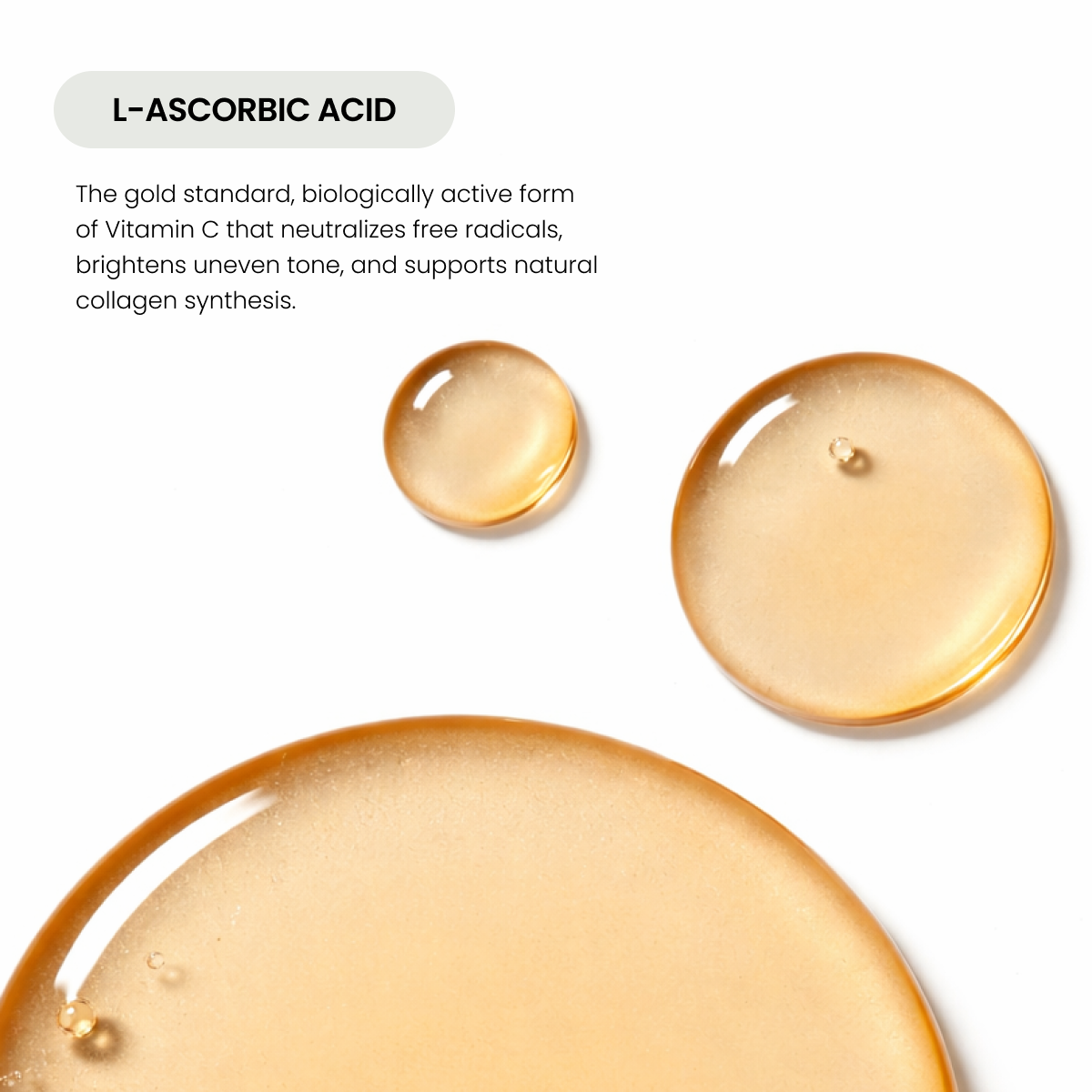
There are tradeoffs within the category. L-ascorbic acid is the best-known and most studied form, but it can be irritating and is notoriously unstable. Gentler derivatives such as sodium ascorbyl phosphate or magnesium ascorbyl phosphate are often easier to tolerate, though they may not feel as fast or as potent.
If your skin tolerates L-ascorbic acid well, it can be an excellent morning option under sunscreen. If it stings, oxidizes quickly, or leaves you red, a derivative-based formula is often the better long-term choice.

L-Ascorbic Acid + Acerola Cherry Ferment
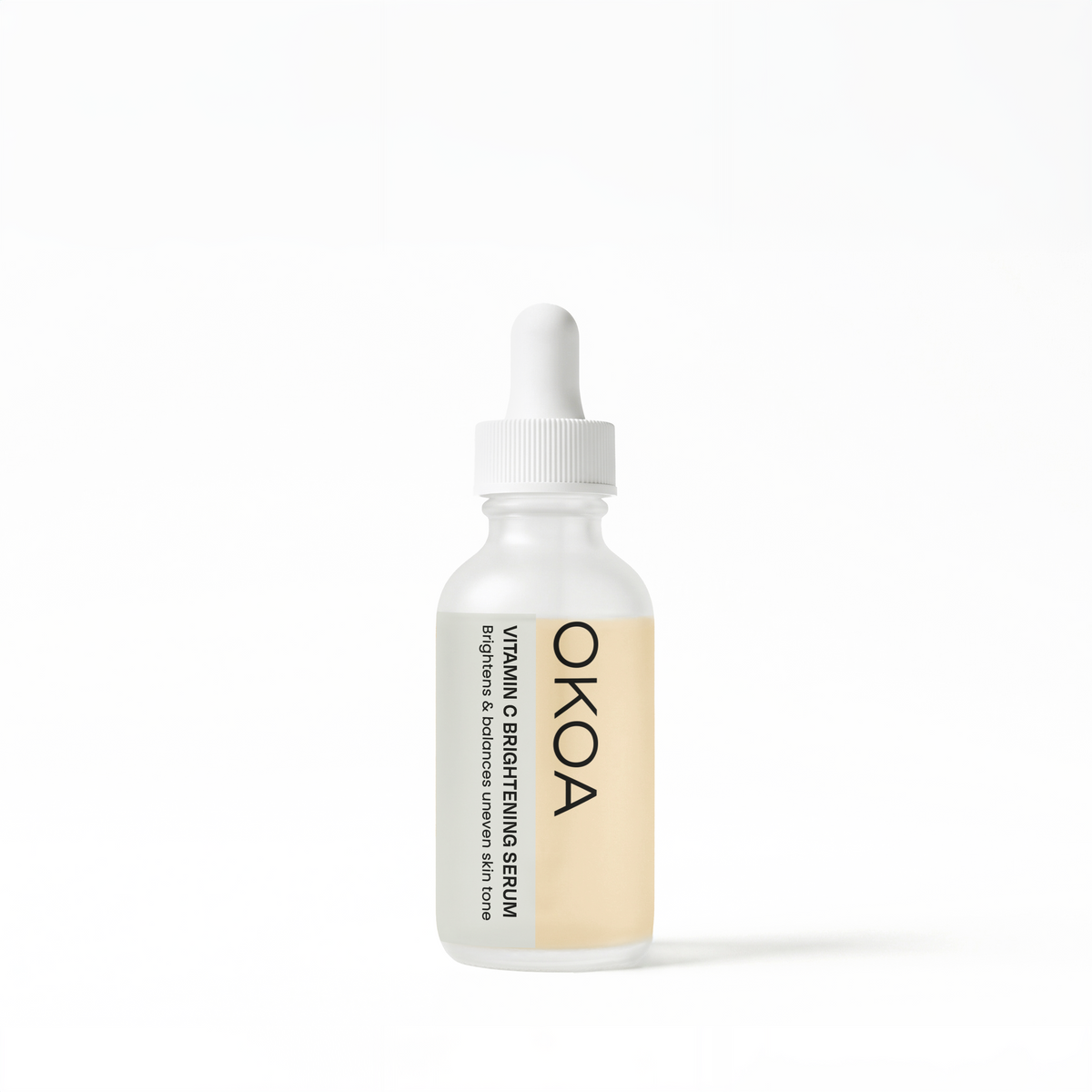
OKOA Vitamin C Brightening Serum
The morning-slot vitamin C pick: classic L-ascorbic brightening plus fermented acerola cherry, clinically shown to cut collagen-damaging glycation 36% in 28 days.
$34.89 with Subscribe & Save $44.90
Niacinamide for tone, barrier support, and multi-tasking benefits
Niacinamide is one of the safest starting points for many people dealing with dullness, mild discoloration, or reactive skin. It can help support the barrier, improve the appearance of uneven tone, and reduce excess oil without being especially difficult to use.
That combination makes it useful for readers who want one serum to do several things moderately well. It is not usually the fastest option for stubborn pigmentation, but it is often the easiest ingredient to live with. For many routines, that matters more.
Tranexamic acid, alpha arbutin, and azelaic acid for stubborn discoloration
If your main concern is lingering marks rather than general dullness, targeted pigment-support ingredients often make more sense than a generic glow serum.
Tranexamic acid is increasingly used for uneven tone and post-inflammatory marks. Alpha arbutin is another common option for dark spots and patchy discoloration. Azelaic acid can be especially helpful if your skin is prone to redness, breakouts, or sensitivity alongside pigmentation.
These ingredients tend to make the most sense in the best brightening serum for hyperpigmentation, especially when marks are tied to acne or repeated inflammation. They still take time. Promising formulas exist, but consistency matters more than intensity.
Three brightening jobs, three ingredient lanes:
- Everyday glow and antioxidant defense: vitamin C, used in the morning under SPF
- Stubborn dark spots and patchiness: tranexamic acid, alpha arbutin, or azelaic acid, given several weeks
- Dullness driven by dryness: humectants and barrier support like hyaluronic acid and ceramides
Exfoliating acids and retinoids when dullness is tied to slow turnover
Sometimes skin looks dull not because of pigment alone, but because dead surface cells are building up unevenly. In that case, exfoliating acids such as lactic acid or glycolic acid may help reveal brighter-looking skin. Retinoids can also improve tone over time by supporting cell turnover and addressing fine lines, texture, and post-acne marks.
But there is a catch. If pigmentation is part of the concern, irritation control matters. Over-exfoliation can aggravate inflammation and make discoloration harder to calm down. This is especially true for sensitive skin and deeper skin tones that are more prone to post-inflammatory hyperpigmentation.
More exfoliation is not more brightening. Over-exfoliating can inflame skin and make discoloration harder to calm, especially on sensitive skin and deeper skin tones that are more prone to post-inflammatory marks. Introduce one active at a time and give it a fair window before adding another.
Hydrating and barrier-supporting ingredients that make brightening formulas more usable
Brightening ingredients get most of the attention, but supportive ingredients often determine whether a serum is actually usable.
Hyaluronic acid can improve surface plumpness and help dehydrated skin look fresher quickly. Ceramides support barrier function and help reduce moisture loss. Soothing ingredients can make active formulas easier to tolerate.
These ingredients do not replace pigment-focused actives, but they can make the difference between a serum you use for three days and one you keep using for three months.
OKOA Vitamin C Brightening Serum
L-ascorbic acid for classic brightening and antioxidant defense, paired with fermented acerola cherry and high molecular weight hyaluronic acid for a dewy, non-stinging morning finish.
How to choose the best brightening serum for your skin type and concern
We spent real time with the formulas in the table below, both the shopper favorites and the ones we benchmark our own work against. The goal here is honest guidance, not a sales pitch. Each serum genuinely fits a specific concern, and we will tell you which one, including when ours is not the right answer.
The easiest way to choose well is to start with your main issue, then narrow by skin type and tolerance.
If your concern is dark spots after acne or sun exposure, targeted actives matter most. If the issue is general dullness with dryness, a hydrating brightening formula may be the better fit. If you are oily or breakout-prone, texture matters more than many people realize. A heavy serum can feel unpleasant enough that you stop using it.
Packaging also matters. Vitamin C formulas in particular do better in opaque, airtight packaging. Fragrance is another variable worth paying attention to, especially if your skin is reactive.
Brightening without daily SPF is a losing battle. UV keeps re-triggering the pigment you are trying to fade, so a morning sunscreen is the single highest-impact step in any brightening routine. The serum does its job, the SPF protects the progress.
Two common buying mistakes are worth avoiding. First, do not choose strong actives without committing to daily SPF. Second, do not stack too many brightening products at once. More actives do not automatically mean better results.
Best brightening serum for hyperpigmentation
Look for formulas centered on targeted ingredients such as tranexamic acid, alpha arbutin, azelaic acid, vitamin C, or retinoid support if your skin tolerates it. The best choice depends on how reactive your skin is and whether the discoloration is mild and recent or older and more persistent.
Best brightening serum for oily or breakout-prone skin
Lightweight textures usually work best here. Niacinamide and azelaic acid are especially useful because they can support brighter-looking skin without feeling heavy. A serum that disappears cleanly into the skin is often more realistic than a rich, emollient formula.
Best brightening serum for dry or mature skin
Dry or mature skin often benefits from a formula that combines brightening actives with barrier support. Uneven tone and dullness can overlap with dehydration, rough texture, and reduced bounce, so a serum that includes hydrating ingredients may deliver a more noticeable overall improvement.
Best brightening serum for sensitive skin
Lower-irritation options usually win here. Niacinamide, azelaic acid, and gentler vitamin C derivatives are often safer starting points than strong acid blends or highly acidic L-ascorbic acid formulas. Patch testing matters. So does introducing one product at a time.
What about Korean brightening serums?
Searches for the best brightening serum korean options often reflect interest in elegant textures, layering-friendly formulas, and gentler approaches to brightening. That can be a real advantage, especially for sensitive or dehydrated skin. It does not mean efficacy follows a separate set of rules. The same ingredient questions still apply.
The best brightening serum formulas to consider right now
The most trustworthy roundup is not about naming one universal winner. It is about matching formula type to use case. Below are seven popular brightening serums shoppers actually compare, from a budget arbutin option to a clinical-strength vitamin C, so you can see how price, size, and hero ingredients line up before you choose.
All prices in USD, June 2026, from each brand's most accessible listing.
| Product | Size | Price | Hero ingredients | Best for | |
|---|---|---|---|---|---|
 |
The OrdinaryAlpha Arbutin 2% + HA | 30 ml | $11.50 | Alpha Arbutin 2%, Hyaluronic Acid (no vitamin C) | Lowest-cost targeted dark-spot and discoloration support. |
 |
OKOAVitamin C Brightening Serum | 30 ml | $34.89$44.90 | L-Ascorbic Acid, Acerola Cherry Ferment, High Molecular Weight Hyaluronic Acid | Everyday radiance plus glycation defense. Brightens now, protects collagen over time; dewy, non-stinging finish. |
 |
numbuzinNo.5+ Glutathione Vitamin Concentrated Serum | Not stated* | $20.80$26.00 | Glutathione, Vitamin C, Niacinamide, Tranexamic Acid | Multi-active K-beauty dark-spot and tone support in one gentle formula. |
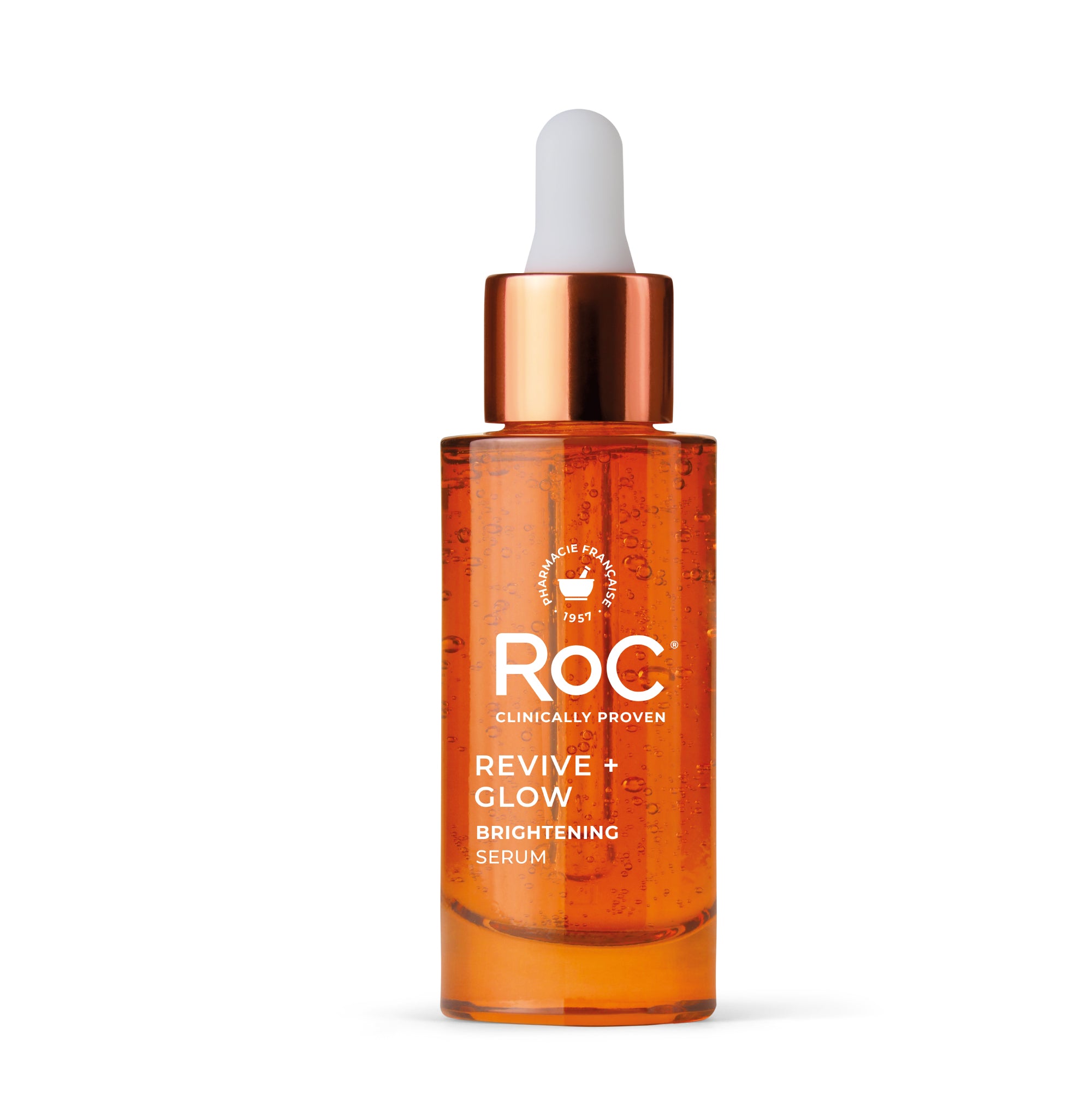 |
RoCMulti-Correxion Revive + Glow Daily Serum | 30 ml | $25.64$28.49 | 10% Vitamin C (3-O-Ethyl Ascorbic Acid), Nonapeptide-1 | Accessible drugstore daily vitamin C that is easy to tolerate. |
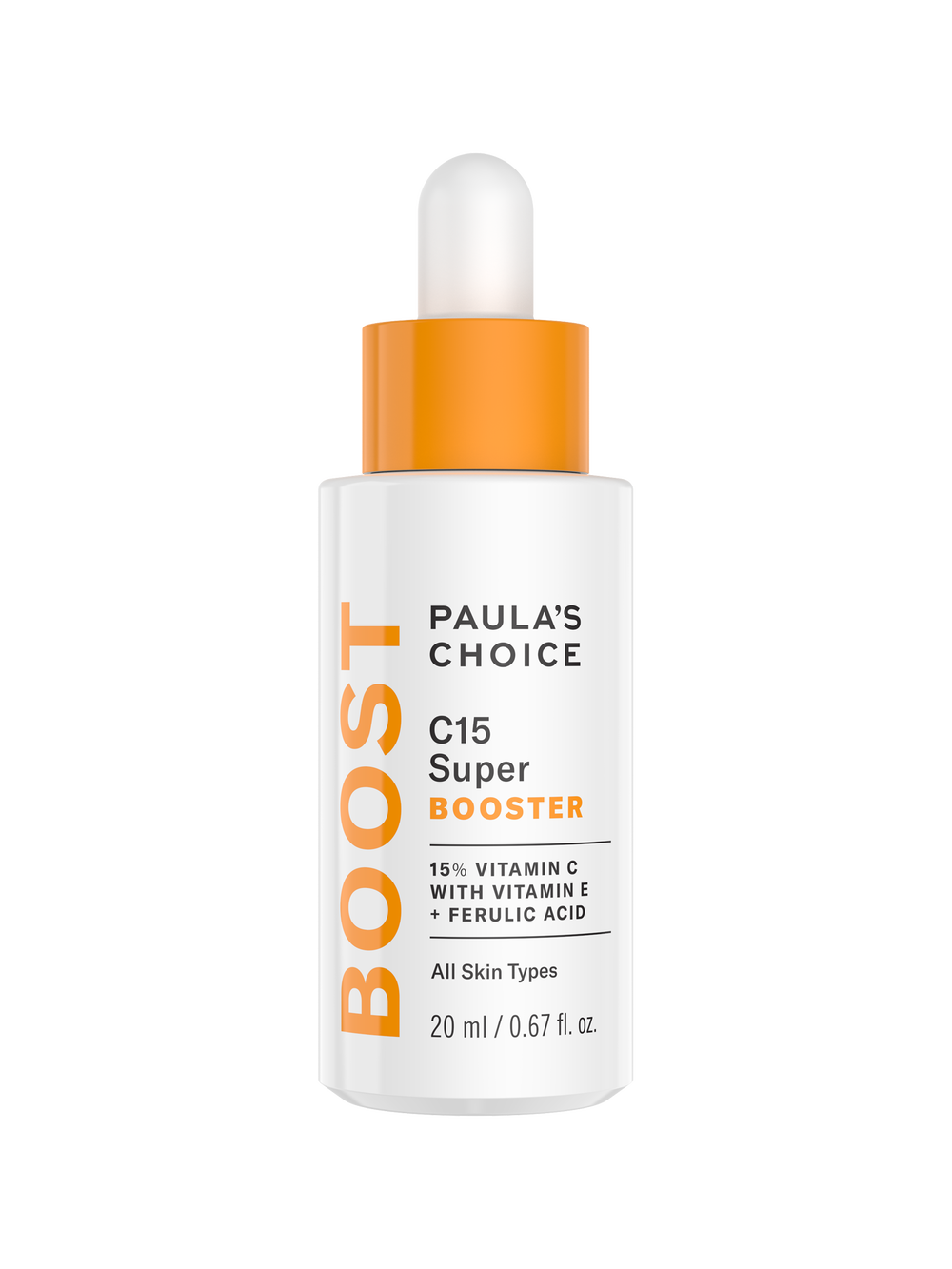 |
Paula's ChoiceC15 Super Booster | 20 ml | $38.50$55.00 | 15% Vitamin C, Vitamin E, Ferulic Acid | The classic, well-studied C + E + ferulic antioxidant trio. |
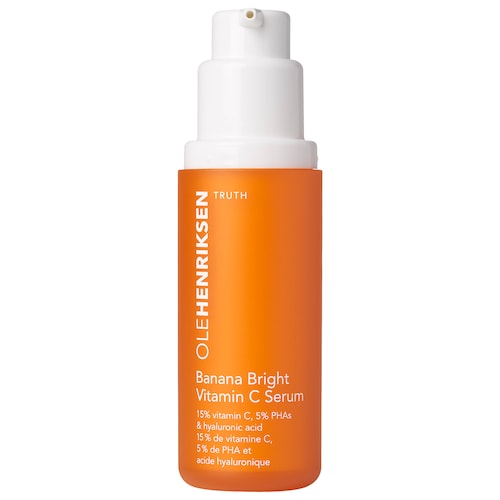 |
OLEHENRIKSENBanana Bright 15% Vitamin C Dark Spot Serum | 30 ml | $70.00 | 15% Vitamin C | Prestige dark-spot brightening with a signature radiant finish. |
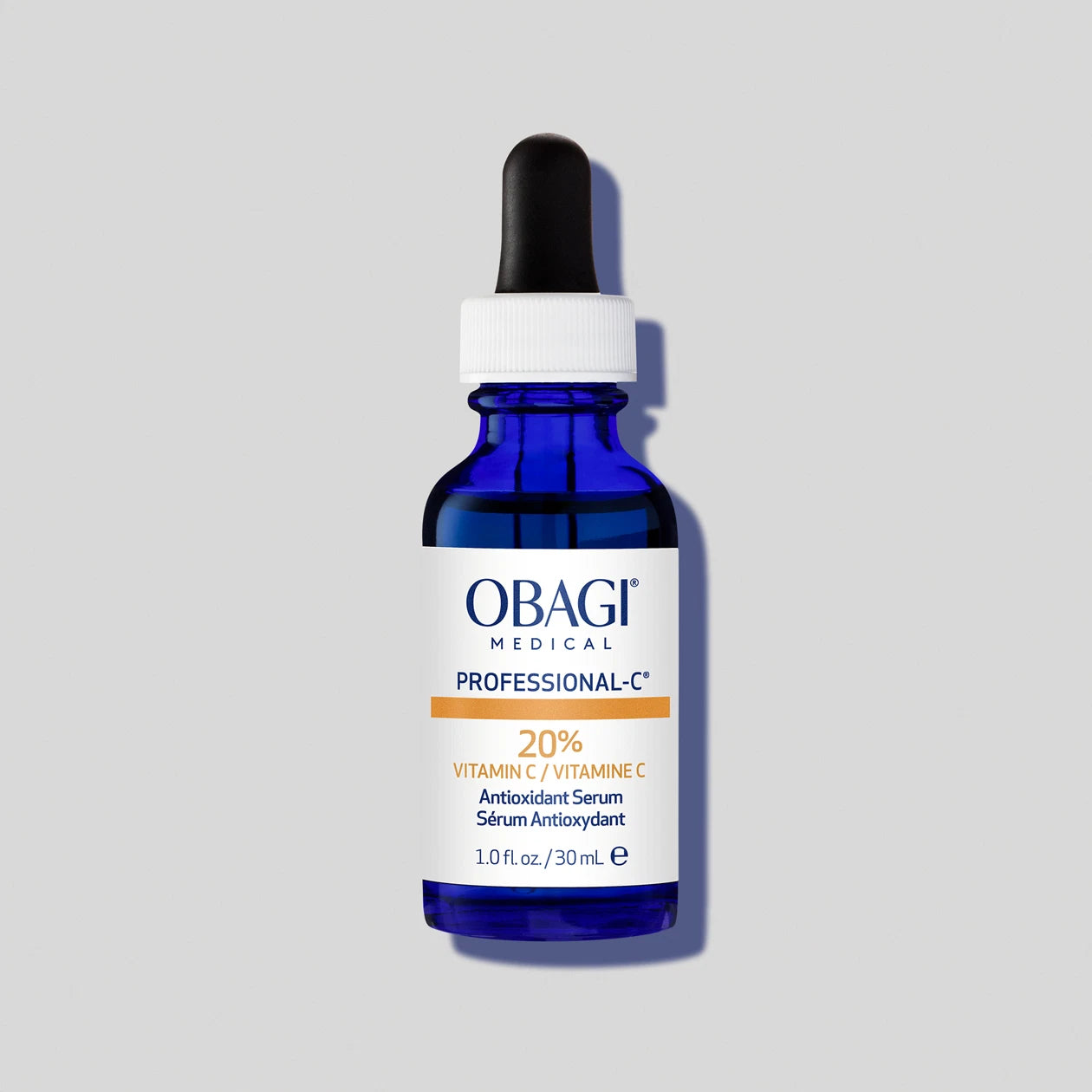 |
ObagiProfessional-C Serum 20% | 30 ml | $131.75$155.00 | 20% L-Ascorbic Acid | Highest-strength clinical vitamin C for tolerant skin. |
Prices fluctuate and several of these go on sale often; re-check before buying. *numbuzin does not list a volume on its US product page.
The picks, one by one
A short take on each serum in the table, in the same order, with what each formula does best and who it suits.
Best for: Budget Tone Correction Without Vitamin C
The Ordinary Alpha Arbutin 2% + HA
$11.50 · 30 ml
The cheapest entry here, and worth understanding clearly: its hero is alpha arbutin, not vitamin C. That makes it a targeted dark-spot and discoloration option rather than an antioxidant glow serum. The 2% arbutin pairs with hyaluronic acid in a lightweight, water-light texture that layers easily.
Choose this if you want the lowest-cost way to chip away at patchy discoloration and you do not specifically need vitamin C.
Best for: Everyday Radiance + Glycation Defense
OKOA Vitamin C Brightening Serum
$34.89 with Subscribe & Save · $44.90 one-time · 30 ml
Pairs classic L-ascorbic acid for the familiar brightening and antioxidant action with fermented acerola cherry, a next-generation antioxidant clinically shown to cut collagen-damaging glycation 36% in 28 days. High molecular weight hyaluronic acid keeps the finish dewy and non-stinging, which makes the L-ascorbic acid easier to wear daily under sunscreen. As a newer brand, OKOA leans on a 90-day money-back guarantee rather than decades of legacy clinical history.
Choose this if you want one daily vitamin C serum that brightens now and helps protect collagen over time, in a texture you will actually keep using.
Best for: Multi-Active K-Beauty Dark Spots
numbuzin No.5+ Glutathione Vitamin Concentrated Serum
$26.00 · $20.80 with the member code · size not stated on page
Stacks several tone-evening actives into one elegant formula: glutathione, vitamin C, niacinamide, and tranexamic acid, supported by panthenol and ceramides. The brand cites a clinical test showing tone evened by 18.9% and dark spots reduced 9.65% in four weeks, and the formula is hypoallergenic and skin-irritation tested.
Choose this if you like the K-beauty approach of layering several gentle brightening actives rather than betting on one.
Best for: Drugstore Daily Vitamin C
RoC Multi-Correxion Revive + Glow Daily Serum
$28.49 · $25.64 with Subscribe & Save · 30 ml
Built around 10% 3-O-ethyl ascorbic acid, a more stable vitamin C derivative, plus nonapeptide-1. It is lightweight, widely stocked, and easy to tolerate, which makes it a sensible everyday option if prestige vitamin C feels like overkill. Note it is a derivative formula, not high-percentage L-ascorbic acid.
Choose this if you want an accessible, tolerable daily vitamin C without a prestige price tag.
Best for: The Classic C + E + Ferulic Combo
Paula's Choice C15 Super Booster
$55.00 · often on sale near $38.50 · 20 ml
The textbook stable vitamin C formula: 15% L-ascorbic acid with vitamin E and ferulic acid, the well-studied antioxidant trio, in small airless packaging that helps protect the actives from light and air. Fragrance-free, which suits more reactive skin. The 20 ml size is smaller than most here, so factor that into value.
Choose this if you want the well-researched C + E + ferulic combination and stable packaging more than a large bottle.
Best for: Prestige Dark-Spot Brightening
OLEHENRIKSEN Banana Bright 15% Vitamin C Dark Spot Serum
$70.00 · 30 ml · at Sephora
The reformulated Banana Bright now centers on 15% vitamin C aimed at dark spots, with the brand's signature bright, radiant finish and sensorial texture. It is the prestige-counter option of the group, priced accordingly, and easy to find if you already shop Sephora.
Choose this if you want a prestige, pleasant-to-use vitamin C serum and the dark-spot positioning appeals.
Best for: Highest-Strength Clinical Vitamin C
Obagi Professional-C Serum 20%
$155.00 · $131.75 with Subscribe & Save · 30 ml
The strongest concentration in this set: 20% L-ascorbic acid, sold through clinical and professional channels. High-percentage L-ascorbic acid can be potent for tone and antioxidant protection, but it also carries the most irritation potential and the highest price, so it rewards skin that already tolerates strong vitamin C.
Choose this if your skin handles strong L-ascorbic acid well and you specifically want maximum concentration.
Best for uneven tone and everyday radiance
The strongest all-around profile is usually a well-formulated vitamin C or vitamin C derivative serum with supportive hydrators and a texture you will actually use every morning. Reach for this lane if you want one serum that targets dullness, supports antioxidant protection, and fits easily into a routine under moisturizer and SPF.
Best brightening serum for dark spots after breakouts or sun exposure
Look for formulas built around tranexamic acid, alpha arbutin, azelaic acid, or a thoughtful combination of brightening actives rather than vague radiance claims. Reach for this lane if your main goal is fading visible spots and patchiness, not just adding short-term glow.
Best brightening serum for mature skin that also looks dull or less firm
If your priorities include radiance, smoother-looking skin, and firmness support, a formula does not have to be a dedicated pigment corrector to be useful. Okoa's Dual Action Lifting Cream fits this category better than it fits a dark-spot-treatment category. Its use case is readers who want immediate visible lift, surface-level "Botox effect," and long-term transformation through peptide activity, along with nourishing oils, ceramides, antioxidants, Aloe Vera, and Baobab. In other words, it is more about visible radiance, skin-smoothing, and overall skin quality than targeted pigment correction.
As a newer brand, Okoa has less long-term independently published clinical history than some legacy clinical skincare brands. The 90-day money-back guarantee is how the brand answers that honestly. Reach for it if your concerns include dullness and early firmness changes alongside uneven-looking texture. Consider a more targeted pigment serum first if stubborn dark spots are your main issue.
Best budget and beginner-friendly brightening serum options
For a simpler starting point, prioritize tolerable actives, stable packaging, and a realistic routine over long ingredient lists. Niacinamide serums, gentler vitamin C derivatives, and straightforward azelaic acid formulas often make the most sense for beginners.
How to compare products fairly before you buy
Use a simple checklist:
- Active ingredients that match your concern
- Supportive ingredients for hydration and barrier care
- Packaging that protects unstable actives
- Reasonable irritation risk for your skin type
- Texture you will use consistently
- Value based on formula quality, not just hype
How to use a brightening serum for better results and realistic expectations
A brightening serum usually fits after cleansing and before moisturizer. Vitamin C is often easiest in the morning under sunscreen. Niacinamide can work morning or night. Retinoids and exfoliating acids usually make more sense at night.
Sunscreen is non-negotiable. Brightening ingredients can help fade visible discoloration, but ongoing UV exposure can keep triggering the problem you are trying to correct.
Results also vary by mechanism. Hydration-driven radiance can show up quickly. Fading post-acne marks or sun spots usually takes longer. If your skin becomes tight, flaky, or persistently irritated, step back. Too many actives at once often slow progress rather than speed it up.
How long does a brightening serum take to work?
Some radiance benefits can appear within days to a couple of weeks, especially when dehydration is part of the issue. Visible fading of uneven tone usually takes several weeks to months of consistent use. That longer timeline is normal.
How to layer vitamin C, niacinamide, retinoids, and exfoliants
A simple routine is usually the best one.
Morning: Cleanser, then vitamin C or niacinamide serum, then moisturizer, then SPF.
Evening: Cleanser, then niacinamide, azelaic acid, retinoid, or exfoliant depending on the night, then moisturizer.
If you use retinoids and exfoliating acids, alternate them instead of piling them into the same routine. Add one active at a time and give it a fair testing window before introducing another.
When a serum is not enough
Persistent or deeper pigmentation may need dermatologist guidance, prescription options, or in-office treatment. This is especially true for melasma or long-standing discoloration. A serum can still support the skin, but there is a point where topical products have reached their ceiling.
No serum, at any price, erases deep pigmentation overnight or replaces medical treatment for melasma. If discoloration looks the same regardless of routine and has been there for years, that is a sign to involve a dermatologist rather than buy a stronger cream.
If your main issue is everyday dullness and uneven tone, a well-formulated vitamin C serum used every morning under SPF is the highest-value place to start. If your concern is stubborn dark spots, reach for targeted actives and give them several weeks. If pigment is deep or looks like melasma, a serum supports the skin, but a dermatologist is the realistic next step.
FAQ
What is the best brightening serum for hyperpigmentation?
The best brightening serum for hyperpigmentation is usually one built around targeted ingredients such as tranexamic acid, alpha arbutin, azelaic acid, vitamin C, or retinoid support, depending on your skin tolerance. The right choice depends less on branding and more on whether the actives match the type of discoloration you have.
Do brightening serums actually work for dark spots and uneven skin tone?
Yes, they can improve the appearance of dark spots and uneven tone with consistent use, especially when paired with daily sunscreen. They are most effective for mild to moderate discoloration and post-inflammatory marks. They do not erase deeper pigmentation overnight, and some concerns may need prescription or in-office treatment.
Which is better for brightening: vitamin C or niacinamide?
Neither is universally better. Vitamin C is often stronger for antioxidant support and visible radiance, while niacinamide is usually easier to tolerate and offers barrier support alongside tone benefits. If your skin is sensitive or reactive, niacinamide is often the safer starting point. If you tolerate it well, vitamin C can be an excellent morning brightening option.
Ready to brighten?
OKOA Vitamin C Brightening Serum
Glow on the surface, defense at the core. High molecular weight hyaluronic acid leaves a dewy, non-stinging finish while fermented acerola cherry and L-ascorbic acid even tone and help shield collagen from sugar-induced damage. One daily morning serum, no sting, no fuss.
*Based on a 28-day clinical test of the Acerola Cherry Ferment complex showing a 36% reduction in collagen-damaging glycation. Individual results may vary.