
When To Apply Retinol In Skincare Routine
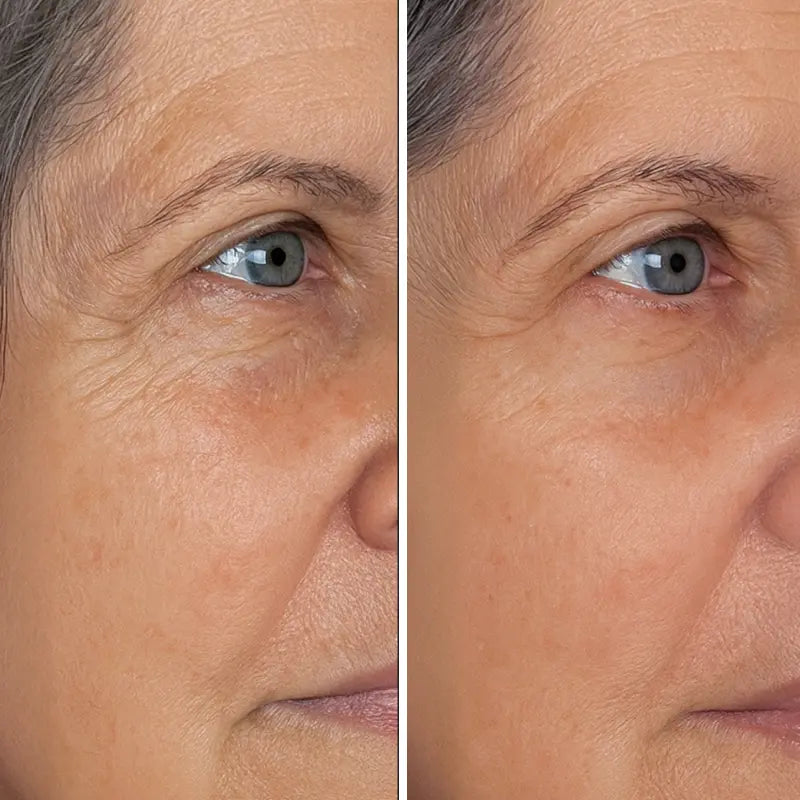
Retinol should be applied at night, after cleansing and fully drying your skin, and before moisturizer in a standard routine.
The basic order is simple: cleanse, let skin dry completely, apply a pea-sized amount of retinol for the whole face, then follow with moisturizer.
Night matters for two reasons. Retinol is photounstable, which means sunlight can degrade it. Evening use also fits better with skin's natural overnight repair processes.
This does not need to be complicated. Most irritation comes from using too much, using it too often, or layering it carelessly.
Should You Apply Retinol Before or After Skincare?
In most routines, retinol goes after cleansing and after any lightweight, non-irritating water-based serum, but before moisturizer.
If your routine is longer, keep the same thin-to-thick logic. Lighter layers go first. Firming cream textures come later. That means retinol usually sits before your moisturizer, not after it.
Why Skin Should Be Fully Dry First
Skin should be fully dry before retinol because damp skin increases penetration. That can make retinol hit harder and raise irritation risk without improving long-term results.
Even waiting a short time after washing can help. This matters most if you are new to retinol, have sensitive skin, or already know your barrier gets reactive easily.
How Often to Use Retinol When You Start
Retinol works gradually. Consistency matters more than trying to use it every night right away.
A good starting point is 1 to 2 nights per week. If your skin stays comfortable, you can build slowly over several weeks. There is no prize for rushing frequency.
Keep the dose small. A pea-sized amount is enough for the entire face. More product does not mean faster results. It usually means more dryness.
Some mild flaking or dryness can happen early on. Persistent burning, strong redness, or prolonged irritation usually means your routine needs adjusting.
What Is the 1-2-3 Rule of Retinol?
The 1-2-3 rule is a simple ramp-up method.
Start with 1 to 2 nights per week. Build gradually over several weeks. Increase only if your skin stays comfortable.
Think of it as tolerance-building, not a shortcut. Retinol benefits build with steady use, not aggressive use.
Where Retinol Fits in Skin Cycling
Skin cycling can help if you want more structure.
A common version looks like this: retinol night, exfoliant night, then two recovery nights focused on gentle hydration and barrier support.
This approach can reduce routine overload. It is especially useful for reactive skin or for anyone who tends to stack too many actives at once.
What to Pair With Retinol and What to Keep Separate
Vitamin C does not need to be avoided completely. It is usually better timed separately, with vitamin C in the morning and retinol at night.
What usually does not belong in the same application, or often the same night, is benzoyl peroxide and strong exfoliating acids like AHAs and BHAs. The issue is not arbitrary rule-following. It is avoiding unnecessary irritation.
If you follow a retinol skincare routine or any multi-step routine, the placement stays the same. Retinol generally goes after lighter layers and before moisturizer.
The Sandwich Method: Who It Is Actually For
The sandwich method means moisturizer, then retinol, then moisturizer again.
It is most helpful for beginners, reactive skin, or anyone going through the adjustment phase. It is not something every retinol user needs forever.
If your skin tolerates retinol well in a standard routine, you may not need it.
Retinol Before or After Serum?
Retinol generally goes after a simple hydrating serum and before moisturizer.
If a serum is highly active or potentially irritating, it is often better not to combine it with retinol in the same routine. Keeping the routine simpler usually makes retinol easier to tolerate.
What Retinol Can Realistically Do and When to Reassess
Retinol can improve the appearance of fine lines, uneven texture, and uneven tone over time. It does not create overnight change.
More irritation does not mean it is working better. With retinol, more is not more.
The non-negotiable step is SPF the next morning. Retinoids can increase sun sensitivity, and UV exposure works against the progress you are trying to make.
And no, 40 is not too late to start retinol. Visible improvement is still possible with consistent use, realistic expectations, and a routine your skin can tolerate.
When to Pause or Simplify
If your skin becomes persistently red, burning, or overly flaky, simplify.
Reduce frequency. Switch to the sandwich method. Remove other strong actives for a while.
If irritation does not settle, check in with a dermatologist. That is especially important if you have a diagnosed skin condition or your skin barrier feels consistently inflamed.
FAQ
Should I apply retinol before or after moisturizer?
In a standard routine, apply retinol before moisturizer. If your skin is sensitive or you are just starting, the sandwich method can help: moisturizer, retinol, then moisturizer again.
What not to pair with retinol in the same routine?
Avoid combining retinol with benzoyl peroxide and strong exfoliating acids such as AHAs and BHAs in the same routine. These combinations often increase irritation. Vitamin C is usually better used at a different time of day rather than in the same routine.
Can I use vitamin C and retinol on the same day?
Yes. The simplest approach is vitamin C in the morning and retinol at night. That timing keeps the routine easier to tolerate and avoids unnecessary layering.
What is the 1-2-3 rule of retinol?
It is a gradual start method: begin with 1 to 2 nights per week, build slowly over time, and increase only if your skin stays comfortable.
Is 40 too late to start retinol?
No. 40 is not too late for skin tightening. Retinol can still improve the appearance of fine lines, texture, and tone with consistent use and daily SPF.
Read more

Retinol is one of the most studied ingredients in skincare, but it also comes with more confusion than almost anything else in a routine. This guide covers what retinol actually does, how it works,...
Sodium hyaluronate appears on more ingredient lists than hyaluronic acid itself - yet most people have never heard of it. This guide explains what sodium hyaluronate is, what it actually does for s...