
What Is Sodium Hyaluronate? Benefits, Uses, and How It Differs From Hyaluronic Acid
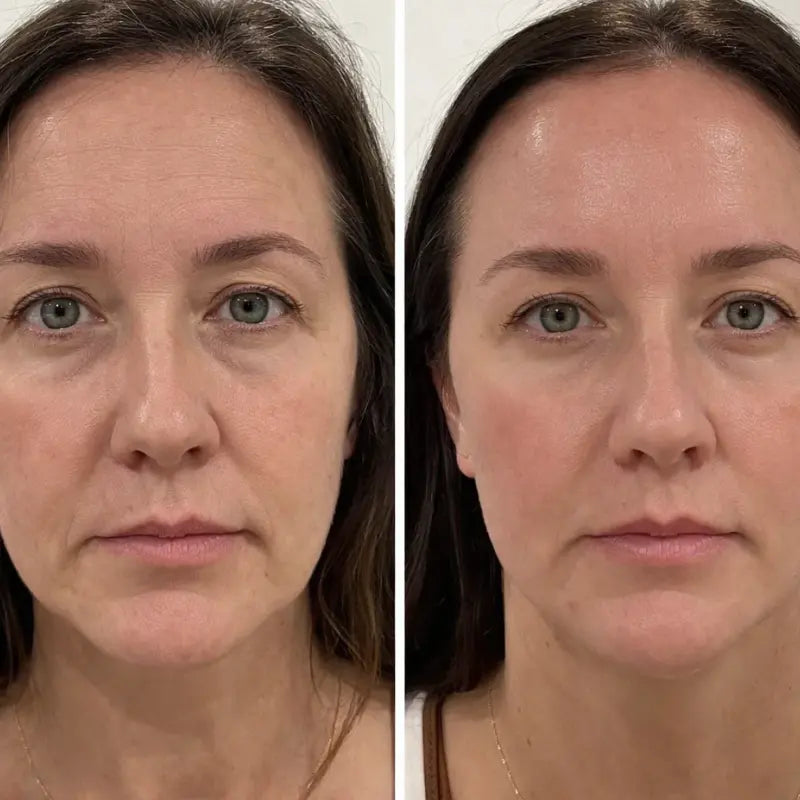
What Is Sodium Hyaluronate?
Sodium hyaluronate is the sodium salt form of hyaluronic acid.
If that sounds familiar, it should. Many people search for hyaluronic acid, then spot sodium hyaluronate on an ingredient label and wonder if it is the same thing. They are closely related, but not identical.
In skincare, sodium hyaluronate is used mainly as a humectant. That means it helps attract and hold water in the skin, which can make skin feel softer, look smoother, and appear temporarily more plump.
This is why it shows up so often in serums, gel creams, essences, masks, and eye products. Its job is not to lift skin structurally or rebuild facial contours. Its role is hydration support.
Why Your Product Says Sodium Hyaluronate Instead of Hyaluronic Acid
This is partly a label literacy issue.
Brands often use sodium hyaluronate in place of hyaluronic acid because it is commonly used in cosmetic formulas and tends to be easier to work with from a formulation standpoint. It is also widely described as more stable in skincare products.
So if you are scanning an ingredient list and do not see "hyaluronic acid," that does not always mean the product lacks HA-related hydration. It may simply be using sodium hyaluronate instead.
What Is Sodium Hyaluronate Made From?
Hyaluronate occurs naturally in the body, including in the skin, connective tissue, and eyes.
Commercial sodium hyaluronate is usually produced through bacterial fermentation. This is the most common method in modern cosmetics. Less commonly, it may be derived from animal sources such as rooster comb.
For most skincare users, the practical takeaway is simple: sodium hyaluronate is a familiar, widely used ingredient with both natural biological relevance and well-established cosmetic use.
Sodium Hyaluronate vs Hyaluronic Acid: Is There a Difference?
Yes, there is a difference between sodium hyaluronate & hyaluronic acid, but it is smaller than skincare marketing sometimes makes it sound.
Hyaluronic acid is the parent molecule. Sodium hyaluronate is its salt form. Both are humectants. Both help support hydration. Both can improve the look of dryness lines and surface roughness.
The main differences usually come down to molecular size, formula behavior, and how they are used in products.
In general, sodium hyaluronate is described as having a smaller molecular size than standard hyaluronic acid, which is why it is often said to move more easily into the upper layers of skin. Hyaluronic acid is more often discussed as a strong surface hydrator.
Neither is inherently better. Many well-designed formulas use both for layered hydration at slightly different levels.
A Simple Comparison Table
|
Sodium Hyaluronate |
Hyaluronic Acid |
|
Sodium salt form of hyaluronic acid |
Parent molecule |
|
Typically smaller molecular size |
Typically larger molecular size |
|
Commonly used for hydration within the skin's upper layers |
Often acts more at the skin surface |
|
Frequently chosen in cosmetic formulas for stability and ease of formulation |
Commonly used as a headline ingredient name in marketing |
|
Lightweight, often associated with a less tacky feel in serums and gels |
Can give strong surface plumping and hydration, depending on formula |
The important part for most readers is this: both ingredients support hydration. If your product contains sodium hyaluronate, you are still in the hyaluronic acid family.
What Is Sodium Hyaluronate Good For in Skincare?
Sodium hyaluronate is good for improving hydration and helping skin hold onto water more effectively.
When skin is better hydrated, it often feels softer and looks smoother. Fine lines caused by dryness may look less obvious. Skin can also appear a bit fuller or more supple, especially in the short term.
That is why sodium hyaluronate is often used in products aimed at:
-
dehydration
-
surface roughness
-
temporary plumping
-
dry or tight-feeling skin
-
supporting a more comfortable skin barrier
Better hydration can also improve the look of crepey or tired skin. That does not mean sodium hyaluronate is a firming ingredient in the same category as retinoids or peptides. It is better understood as a water-balance ingredient that supports surface smoothness and comfort.
A 2014 review in the Journal of Clinical and Aesthetic Dermatology notes that hyaluronic acid plays a major role in skin hydration and that topical forms can help improve the appearance of dry skin and fine lines when properly formulated.
Who May Benefit Most
Sodium hyaluronate is a strong fit for:
-
dry skin
-
dehydrated skin
-
mature skin
-
sensitivity-prone skin
-
skin that feels tight from weather, over-cleansing, or active ingredients
Oily skin can benefit too.
That matters because oiliness and dehydration can exist at the same time. Skin may produce excess oil while still lacking enough water. In that situation, a lightweight humectant serum can help without feeling heavy.
Sodium Hyaluronate Crosspolymer: A Related Ingredient Worth Knowing
Sodium hyaluronate crosspolymer is a related form worth knowing if you read ingredient lists closely.
It is a crosslinked version of sodium hyaluronate. In practical terms, that usually means it forms more of a surface film and is often used for longer-lasting surface hydration.
You may see it in formulas designed to create a smoother, cushioned skin feel. It is not the same as standard sodium hyaluronate, but it belongs to the same hydration-focused category.
How to Use Sodium Hyaluronate and What to Expect
Sodium hyaluronate is usually found in serums, essences, gel moisturizers, sheet masks, and eye products.
In a routine, it generally fits after cleansing and before a lifting cream or heavier moisturizer. Many people find it works best on slightly damp skin, followed by a moisturizer to help seal that hydration in.
That last step matters.
Humectants draw water, but they work best as part of a broader routine. If you apply sodium hyaluronate and stop there, especially in a dry environment, it may not feel as effective as you expect.
You can often notice hydration and plumping fairly quickly. Skin may look fresher within minutes to days, depending on the formula and how dehydrated your skin was to begin with.
What it does not do is replace collagen-supporting ingredients for long-term firming. If your main concern is significant laxity, deeper wrinkles, or sagging, sodium hyaluronate can support comfort and surface appearance, but it will not solve the structural issue.
Can You Use It Twice a Day?
Yes. Sodium hyaluronate is typically well tolerated and commonly used both morning and night.
That makes it one of the easier ingredients to fit into a standard routine. It also pairs well with many other ingredients, including ceramides, niacinamide, peptides, and many moisturizers.
Common Mistakes That Make It Feel Less Effective
A few common issues can make sodium hyaluronate seem underwhelming.
The first is using it without a moisturizer afterward. Hydration support tends to work better when you follow with a cream or lotion that helps reduce water loss.
The second is relying on it alone for severe dryness. If your barrier is impaired, you may need more than a humectant. Ceramides, emollients, and a gentler routine often matter just as much.
The third is expecting it to treat deeper wrinkles or sagging. Sodium hyaluronate can soften the appearance of dehydration lines. It does not lift tissue or rebuild lost structure.
Is Sodium Hyaluronate Safe? Skin, Eyes, and Medical Uses
Sodium hyaluronate is generally considered well tolerated in topical skincare and suitable for most skin types.
It is also used beyond cosmetics, which helps explain why this ingredient appears in broader health searches. In addition to skincare, sodium hyaluronate is used in some eye drops for dry eye support and in certain medical injections intended to improve joint lubrication.
For eyes specifically, yes, sodium hyaluronate is used in lubricating eye drops. If you are considering a product for medical eye symptoms rather than standard cosmetic use, it makes sense to follow the product instructions or ask an eye care professional.
In skincare, irritation is usually more likely to come from the full formula than from sodium hyaluronate itself. Preservatives, fragrance, acids, or essential oils are often more relevant if a product stings.
Realistic Expectations and Limitations
Sodium hyaluronate is useful, but it has a clear ceiling.
It helps with hydration. It can improve the appearance of fine lines caused by dryness. It can make skin feel more comfortable and look smoother.
It will not lift significant sagging. It will not replace in-office procedures. It will not rebuild lost facial structure.
That does not make it a minor ingredient. It just means its strength is hydration support, not structural correction.
FAQ
Is sodium hyaluronate the same as hyaluronic acid?
Not exactly. Sodium hyaluronate is the sodium salt form of hyaluronic acid. They are closely related and both function as humectants, but they are not identical. Sodium hyaluronate is typically smaller in molecular size and is commonly used in cosmetic formulas.
What is sodium hyaluronate good for?
It is mainly good for hydration. In skincare, it helps attract and hold water, which can improve softness, temporary plumping, and the appearance of dryness lines. Outside cosmetics, it is also used in some dry eye drops and joint lubrication treatments.
Is sodium hyaluronate natural?
It occurs naturally in the body as part of the broader hyaluronate system. Commercial sodium hyaluronate used in skincare is usually made through bacterial fermentation. Less commonly, it may come from animal sources such as rooster comb.
Can you use sodium hyaluronate every day?
Yes. It is commonly used every day, often twice daily, in morning and evening routines.
Is sodium hyaluronate safe for eyes?
Yes, in the right context. Sodium hyaluronate is used in lubricating eye drops for dry eye support. For direct eye use, choose products specifically made for ophthalmic use rather than standard skincare formulas.
What is the difference between sodium hyaluronate and sodium hyaluronate crosspolymer?
Standard sodium hyaluronate is a humectant used to help attract water into the skin. Sodium hyaluronate crosspolymer is a crosslinked form that tends to create more of a surface film and is often used for longer-lasting surface hydration.
Read more
Retinol is one of the most studied ingredients in skincare, but it also comes with more confusion than almost anything else in a routine. This guide covers what retinol actually does, how it works,...

Most hydration advice stops at recommending one ingredient. That is rarely enough. This guide explains why skin hydration works better as a system -how humectants, emollients, occlusives, and barri...