How to Choose the Best Vegan Moisturizer for Your Skin Type


Last updated September 29, 2026
What changed
- Updated the opening to define a vegan moisturizer in one answer.
- Updated the product section with current ingredient lists, size and price.
- Reviewed with our R&D cosmetic chemist for accuracy.
A vegan moisturizer is a moisturizer made without animal-derived ingredients such as beeswax, lanolin, collagen, milk proteins or snail mucin. Picking a good one comes down to your skin type: glycerin and other humectants to pull in water, plant butters and oils to hold it there, and no added fragrance if your skin reacts easily.
The vegan label tells you what is not in the jar. It does not tell you whether the formula suits your skin, and that is what the rest of this guide covers.
Plant Butters and Oils Okoaskin Deep Hydration Moisturizer with shea butter, baobab oil and glycerin. Vegan, with no fragrance listed. $24.91 Subscribe & Save
What a vegan moisturizer is and why the label can be confusing
A vegan moisturizer leaves out every animal-derived ingredient, and that is all the word promises. It does not mean cruelty-free, natural, organic or fragrance-free, and it does not make a cream gentler on sensitive skin.
A vegan cream can still carry strong fragrance or essential oils, or be the wrong weight for your skin. A non-vegan cream can be well made. So check the vegan claim first, then judge the formula the way you would judge any moisturizer.
Vegan vs cruelty-free vs vegetarian skincare
The three words overlap, but they answer different questions. Vegan means the formula has no animal-derived ingredients. Cruelty-free means the finished product was not tested on animals; some certifiers cover the ingredients too, and standards vary. Vegetarian skincare can still contain animal-derived ingredients that do not require killing the animal, such as beeswax, honey or milk proteins.
That is how a cream ends up cruelty-free but not vegan because it contains beeswax or lanolin, or vegetarian but not vegan because it contains honey. The front label alone will not tell you which one you are holding.
Common animal-derived ingredients found in moisturizers
These are the ones to look for on the ingredient list:
- Beeswax
- Lanolin
- Collagen
- Elastin
- Milk proteins
- Silk amino acids
- Carmine
- Snail secretion filtrate
- Some forms of squalene
Squalane needs a note. It is often plant-derived, from olives or sugarcane, but some has historically come from animals. If the brand does not state the source, ask.
Do you need a vegan moisturizer for face care, or just a better formula?
You need a good formula first. Choosing vegan is a values decision, and a fair one, but it does not make a moisturizer gentler, safer or more effective by itself.
A moisturizer's job is to slow water loss from the skin (transepidermal water loss), support the barrier and make dry or rough skin feel better. The Cleveland Clinic explains that a healthy skin barrier is what helps skin hold water and cope with the environment.
Know the ceiling, too. No moisturizer, vegan or not, replaces sunscreen, treats structural sagging or does what an in-office procedure does.
What moisturizers can improve
Used every day, a well-made moisturizer improves hydration, surface smoothness and barrier support, gives a temporary plumpness from the water it holds, and makes dry, tight or reactive skin more comfortable. Those changes are real, and they are the job a moisturizer is for.
What moisturizers cannot do
A moisturizer cannot fix deeper skin laxity, permanently erase wrinkles, replace daily sunscreen or make up for an inconsistent routine. If a jar promises more than that, the marketing is working harder than the formula.
How to choose the best vegan moisturizer for your skin type
Shop by skin type. Check the texture, the humectants, the butters and oils, and the fragrance before you pay attention to words like clean, botanical or glow.
Vegan moisturizer for dry skin
Dry skin needs more than a light gel. Look for a richer cream with a humectant such as glycerin to pull water in, and plant butters, oils or ceramides to slow its loss. Skin that feels tight after cleansing, or flakes around the cheeks and mouth, is the sign to go richer.
That is the skin the Okoaskin Deep Hydration Moisturizer is made for: glycerin fourth on the ingredient list, then shea butter and baobab oil for a softer, richer finish.
Vegan moisturizer for oily or combination skin
Oily skin still needs moisture, in a lighter texture such as a lotion or gel-cream. Glycerin, hyaluronic acid, niacinamide and plant-derived squalane hydrate without leaving a heavy film. Skipping moisturizer altogether tends to backfire, because a stripped barrier feels worse, not better.
Why hydration matters if pores and texture are your concern
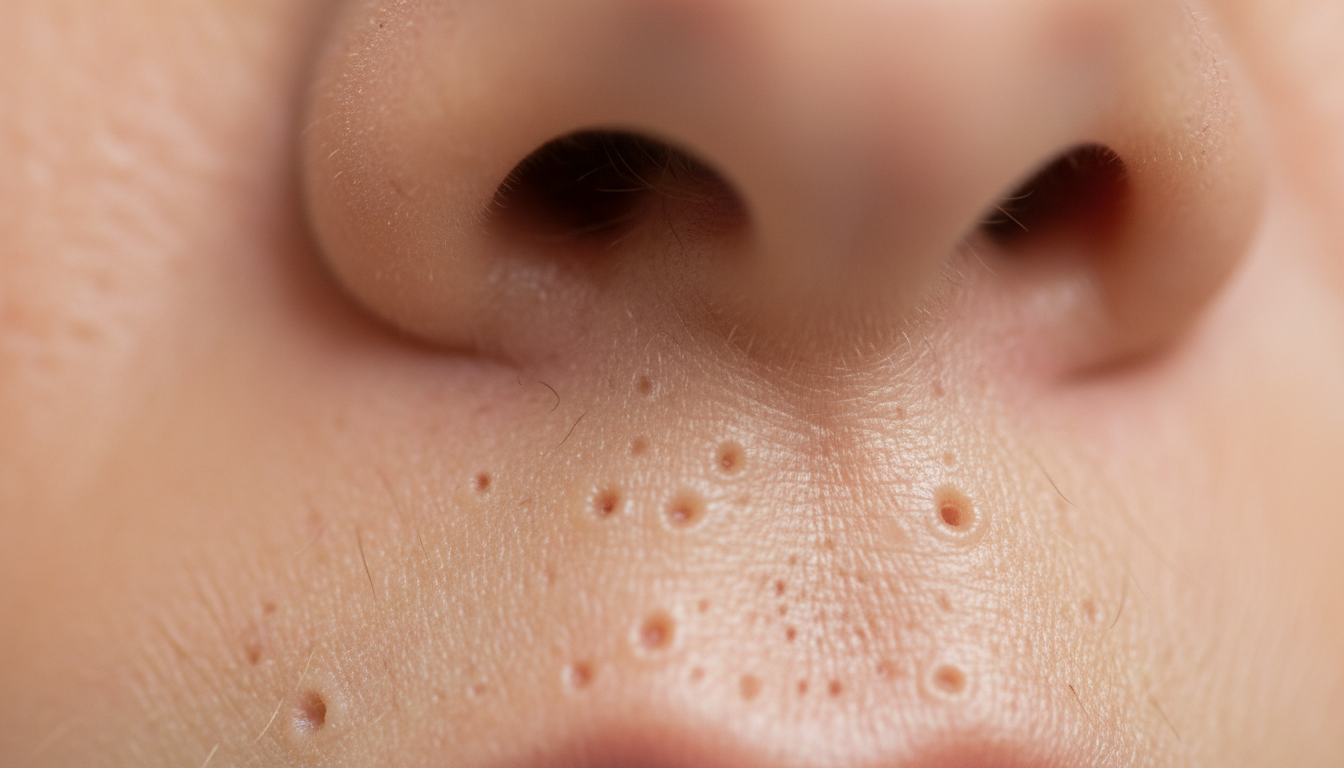
Over-cleansing to control shine can leave skin dehydrated, and dehydrated skin looks rougher, with pores that stand out more around the nose and inner cheeks. A light vegan moisturizer with glycerin, niacinamide or hyaluronic acid keeps the surface smoother, which helps you minimize the look of pores without adding shine.
Vegan moisturizer for sensitive skin
Sensitive skin does best with fewer ingredients: fragrance-free or low-irritant formulas with strong barrier support. Ceramides, glycerin, squalane, aloe vera and simple emollients are easier starting points than heavily scented plant blends. Plant ingredients can irritate too, so patch test anything new.
Vegan moisturizer for mature or visibly aging skin
Mature skin usually wants hydration and support in the same jar: humectants plus ceramides, antioxidants, peptides and soothing botanicals. Expect softer, more comfortable skin that looks less dry and dull, with gradual help for mild laxity. No moisturizer reverses aging.
Ingredients that matter more than the vegan label
Once a formula passes the vegan check, the ingredient mix decides how well it works. A good moisturizer balances humectants that attract water, emollients that soften, occlusives that slow water loss and barrier lipids that support the skin barrier. Peptides and antioxidants add slower benefits on top. Some of these come from animal sources in other creams, which is why you still read the list.
Best ingredients to look for in a vegan moisturizer
Glycerin and hyaluronic acid do most of the hydrating. Plant butters such as shea give richer, longer-lasting softness, and plant-derived squalane gives a lighter one. Ceramides and niacinamide support the barrier, and niacinamide helps with tone too. Peptides work on firmness over time, antioxidants help against oxidative stress, and aloe vera and botanical oils add comfort.
No single ingredient makes a good cream. The balance does.
Ingredients to approach carefully if your skin is reactive
If your skin stings or flushes easily, go carefully with strong fragrance, essential oils, formulas heavy in actives and high-acid blends in leave-on creams. Plant-based does not mean gentle.
How to read a label without getting overwhelmed
Start with the texture: gel, lotion or cream. Then look for barrier-support ingredients such as glycerin, ceramides, squalane, fatty acids, niacinamide or peptides. Check the end of the list for likely irritants such as fragrance or essential oils. Read the marketing claims last.
How to build a routine around a vegan moisturizer and when product differences matter
A moisturizer does its best work in a short routine: cleanser, a treatment if you use one, moisturizer, and SPF in the morning. Using it every day matters more than how many products you own.
Morning vs night: do you need two moisturizers
Usually one covers both. Two textures make sense when dry or mature skin wants a richer cream at night, or oily skin wants a lighter lotion under sunscreen in the morning. That choice is about comfort and finish.
When a vegan moisturizer with peptides makes sense
Add peptides when you want firmer-looking skin on top of hydration. They suit people who do not tolerate retinoids well, or who want fewer steps. Results build gradually with daily use.
A plant-based moisturizer for everyday hydration
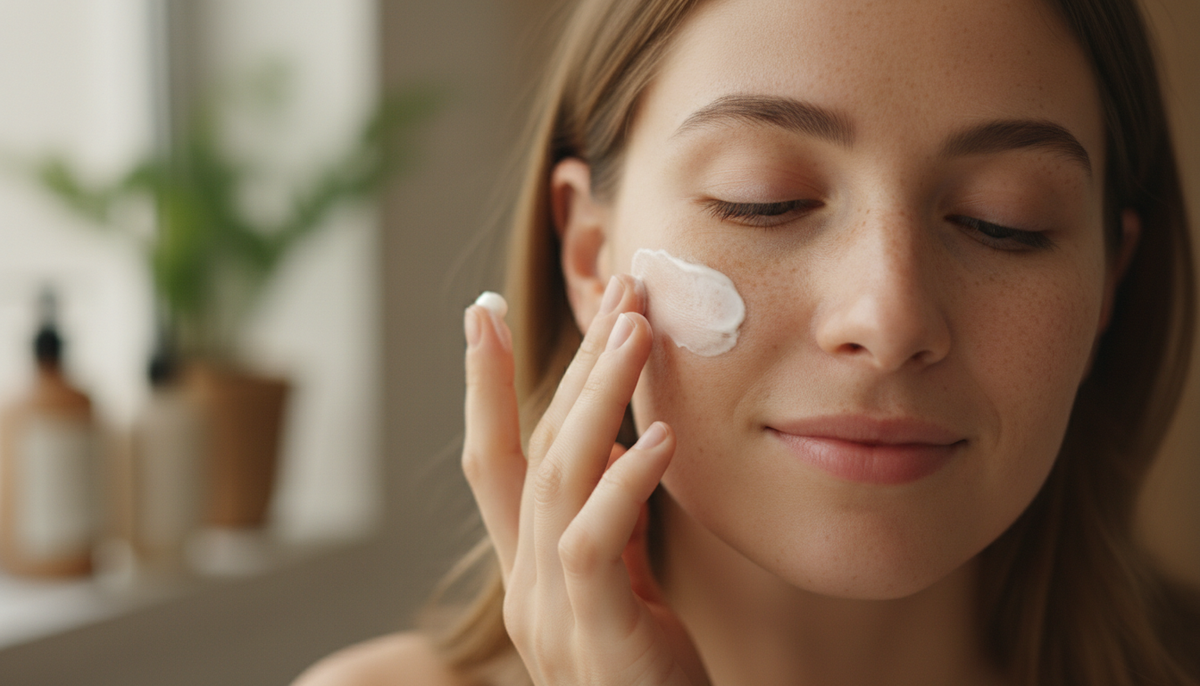
For steady hydration, the Okoaskin Deep Hydration Moisturizer is built on shea butter and baobab oil with glycerin, avocado oil, and lingonberry and cloudberry extracts. Like every Okoa product, it is vegan and cruelty-free. Its ingredient list has none of the animal-derived ingredients above, such as beeswax, lanolin or collagen, and no fragrance. It comes in a 50 ml (1.7 fl oz) jar for $29.90, or $24.91 on subscription, with a 90-day money-back guarantee. Apply it to clean skin morning and night, and patch test first if your skin reacts easily.
If firmness is also on your list, finish with the Okoaskin Dual Action Lifting Cream on the face and neck, which is vegan too. Its silicates give an immediate smoother look, and its peptide, IDEALIFT (acetyl dipeptide-1 cetyl ester) from Sederma (Croda Beauty), works on firmness over weeks. Unlike the moisturizer, it contains fragrance, so patch test it first if your skin is reactive.
One Moisturizer, Morning and Night Use it after cleansing twice a day for soft, comfortable skin that stays hydrated under sunscreen or on its own. $24.91 Subscribe & SaveHow to tell if your vegan moisturizer is working
Hydration shows within days. Changes from peptides or antioxidants take weeks.
Results you may notice quickly
In the first few days, skin should feel less tight after cleansing and smoother to the touch, with fewer flaky patches and better makeup wear.
Results that take longer
Barrier recovery and the visible effects of peptides or antioxidants usually need several weeks of daily use. A cream that works on firmness will not prove itself in three days.
When to switch formulas
Give a moisturizer two to four weeks, unless it irritates from the start. Switch sooner if it keeps stinging, clogs pores, leaves a greasy film that never settles, makes dryness worse or does nothing with daily use. A different texture or fragrance level often fixes the problem better than using more product.
Frequently asked questions
What is the difference between a vegan moisturizer and a cruelty-free moisturizer?
A vegan moisturizer contains no animal-derived ingredients. A cruelty-free moisturizer was not tested on animals. A product can be cruelty-free without being vegan if it contains ingredients like beeswax or lanolin.
What should I look for in a vegan moisturizer for dry skin?
A richer cream with glycerin, hyaluronic acid, ceramides, fatty acids and plant butters or oils. Dry skin needs ingredients that bind water and a texture that slows its loss. The Okoaskin Deep Hydration Moisturizer pairs glycerin with shea butter and baobab oil for this.
Is a vegan moisturizer for oily skin actually necessary?
Oily skin needs a moisturizer either way, and choosing a vegan one is a values decision. A lighter lotion or gel-cream supports the barrier without feeling heavy.
Can a vegan moisturizer for face help with fine lines?
Yes, by hydrating the skin and smoothing the surface, which softens how fine lines look. Formulas with peptides and antioxidants add gradual visible improvement. A moisturizer will not erase wrinkles or replace sunscreen or procedures.
How do I know if a moisturizer is truly vegan?
Look for a clear vegan claim from the brand, then check the ingredient list for beeswax, lanolin, collagen, milk proteins, silk amino acids and snail secretion. If a source is unclear, especially for squalane or specialty additives, ask the brand.