
Is Aloe Vera Good for Face Skin? Benefits, Side Effects, and How to Use It Safely


Okoaskin Dual Action Lifting Cream
Aloe plus the firming it cannot do
Aloe hydrates and calms. The peptide handles what aloe does not. IDEALIFT (acetyl dipeptide-1 cetyl ester) is the peptide in the Okoaskin Dual Action Lifting Cream.
SHOP NOW

Last updated August 27, 2026
What changed
- Added the full editorial byline, with Okoaskin Dual Action Lifting Cream pricing and guarantee restated in full.
- Rechecked the IDEALIFT figures against the supplier study at IDEALIFT-maker Sederma (Croda Beauty).
Is aloe vera good for face skin?
Yes, for two jobs: adding water to dry skin, and calming the look of temporary irritation. It does not firm skin and it does not fade pigment.
Dry, sensitive and temporarily irritated skin get the most from it. It is not a cure-all for every skin concern, and it should not be treated like a replacement for more targeted ingredients when the issue is acne, deep wrinkles, or significant laxity.
That distinction matters.
Aloe vera has a strong reputation because it feels cooling and comforting on contact. For many people, that makes it a helpful support ingredient in a routine. But helpful and transformative are not the same thing.
This article explains what aloe vera is, what it actually does for facial skin, how to use aloe vera gel on face at night, possible side effects, and what to expect from aloe vera on face everyday results.
What is aloe vera?
Aloe vera is a succulent plant whose inner gel is widely used in skincare for its high water content, polysaccharides, vitamins, minerals, and soothing feel on the skin.
In cosmetics, it shows up in gels, moisturizers, masks, cleansers, and after-sun products. Its popularity comes from how easily it fits into lightweight formulas that aim to hydrate and calm without feeling greasy.
Why aloe vera shows up in so many skincare products
Aloe vera is lightweight, calming, and easy to combine with other skincare ingredients.
That makes it especially useful in formulas built around hydration, barrier support, and comfort. Brands often pair it with humectants, emollients, ceramides, or antioxidants to make a product feel more soothing and less heavy on the skin.
It also has broad appeal. Oily skin suits its light texture. Dry or reactive skin suits the calming feel.
Pure aloe gel vs. formulated aloe skincare
Fresh plant gel and bottled aloe vera gel are not the same thing.
A properly formulated aloe product is usually more stable, more consistent, and easier to preserve. Raw plant use is less predictable. It can vary in texture, purity, and tolerance, especially for sensitive skin.
This is one reason natural is not automatically better. In skincare, consistency matters.
 Aloe + Peptide
Okoaskin Dual Action Lifting Cream - aloe high on the ingredient list, plus the IDEALIFT (acetyl dipeptide-1 cetyl ester) peptide aloe cannot replace. IDEALIFT is the peptide in the Okoaskin Dual Action Lifting Cream.
$44.88 Subscribe & Save
Aloe + Peptide
Okoaskin Dual Action Lifting Cream - aloe high on the ingredient list, plus the IDEALIFT (acetyl dipeptide-1 cetyl ester) peptide aloe cannot replace. IDEALIFT is the peptide in the Okoaskin Dual Action Lifting Cream.
$44.88 Subscribe & Save Aloe vera on face everyday results
Applying aloe vera to your face every day is well-tolerated by most skin types, though the results depend heavily on how you use it. The inner leaf gel is about 99% water, per Surjushe et al. in the Indian Journal of Dermatology, which is why it absorbs quickly and does not leave the greasy residue that heavier moisturizers sometimes do.
Daily use can help calm redness, reduce puffiness around active breakouts, and support the skin's barrier through antioxidants, amino acids, and enzymes. Where people tend to run into trouble is leaving aloe on as a standalone treatment without anything on top. Aloe has mild astringent properties, and when it dries without an occlusive layer, it can pull moisture out of the skin rather than hold it in. The fix is straightforward: apply aloe first, then follow immediately with your regular moisturizer. For results on acne scars or hyperpigmentation specifically, real improvement takes consistent use over several weeks. A one-week patch of softer, calmer skin is realistic.
Noticeably faded scars take longer. If you are using fresh aloe directly from a plant rather than a formulated gel, do a patch test on your wrist first since raw plant material occasionally triggers contact dermatitis in sensitive skin.
What are the real benefits of aloe vera for face skin?
Aloe vera works best when its benefits are framed realistically.
It may help calm skin, reduce the feeling of dryness, and support a healthier-looking surface. It will not replace proven treatment ingredients for concerns like deep wrinkles, persistent acne, or structural sagging.
Aloe adds water but does not seal it in
Aloe is mostly water, carried by polysaccharides that hold it at the skin surface. That makes it a hydrator rather than a moisturizer: it delivers water and does nothing to stop that water leaving again, which is why it works best under something occlusive.
This is one reason some people notice quick benefits of aloe vera on skin overnight. If dehydration is the main issue, a thin aloe-based layer can make skin look less tight and feel less rough by morning.
Still, hydration is not the same as long-term structural change. Aloe can improve comfort and surface appearance. It does not build collagen in the way retinoids or well-formulated peptide products aim to.
Aloe soothes temporary irritation and redness
Soothing temporary irritation is probably aloe vera's most credible cosmetic use.
It is widely used after sun exposure or mild irritation because it feels cooling and calming on the skin. For skin that is temporarily stressed, that soothing effect can be genuinely useful.
That said, soothing is not a guarantee of tolerance. Some aloe products still irritate, especially if they include fragrance, drying alcohols, or other sensitizing ingredients.
Aloe supports the barrier only under a moisturizer
Aloe on its own is not enough for very dry skin. It adds water to the surface; a moisturizer supplies the lipids that keep it there.
For many people, it works better under a firming cream for face that helps seal in moisture. This is an important nuance. A lightweight gel can add water. A moisturizer helps keep it there.
If you have ever wondered is glycerin good for face skin, the answer follows a similar logic. Humectant ingredients help draw in water, but they usually work best as part of a broader formula that also supports the barrier.
Does aloe vera help acne
Aloe vera can be a useful support step in acne-prone routines because it is lightweight and calming.
That does not make it a standalone acne treatment. It will not reliably clear clogged pores, hormonal breakouts, or persistent inflammatory acne on its own.
At most, it may help reduce some of the dryness or discomfort that comes with stronger acne products. That is a useful role, but it is still a supporting one.
Is aloe vera good for wrinkles
Aloe vera contains antioxidant components that may help defend skin from everyday environmental stress.
That sounds impressive, but it should be kept in perspective. Aloe is better thought of as a support ingredient than a primary anti-aging active.
If your main goal is firmer-looking skin, fewer fine lines, or more visible long-term change, ingredients like retinoids and well-formulated peptides usually deserve more attention.
Alternatives to aloe vera for firming skin
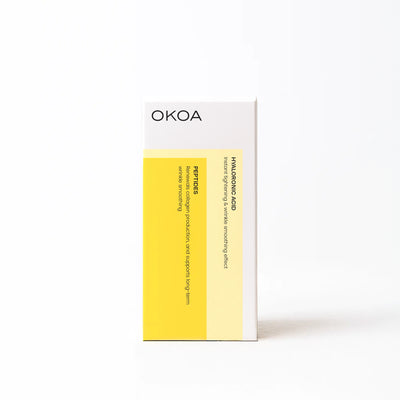
30 ml / 1.0 fl oz · from $34.97/mo on the 2-month subscription · $44.88/mo monthly · $61.90 one-time
Aloe hydrates and calms skin. It does not firm it. The Okoaskin Dual Action Lifting Cream does both. Aloe sits high on its ingredient list: aloe vera juice is fourth and aloe barbadensis leaf juice is ninth. On top of that it has the IDEALIFT (acetyl dipeptide-1 cetyl ester) peptide. Sederma, the company that makes the peptide, says it supports the proteins that keep skin elastic. Hyaluronic acid and sodium hyaluronate then hold that water in place, so it does not evaporate the way plain aloe does. You get your aloe in a stable formula instead of cut from a leaf, plus the ingredients that work on fine lines and loose skin.
- Aloe in two forms, both high on the ingredient list
- IDEALIFT peptide for the look of firmness, which aloe does not address
- Replaces a moisturizer rather than adding a step, so it seals the hydration in
- 90-day money-back guarantee; vegan and cruelty-free
- Fragranced, so patch test as you would with any new product
If you would rather keep your aloe step and simply seal it properly, that is the other route this page points to: aloe is light and evaporates without something over it, which is what a dedicated moisturizer is for.
How do you use aloe vera on your face safely?
The best way to use aloe vera depends on your skin type, the product format, and what you want it to do.
If the goal is hydration or soothing, aloe can fit in easily. If the goal is dramatic brightening, wrinkle correction, or acne clearing, expectations need to stay realistic.
How to use aloe vera gel on face at night
Apply a thin layer to clean, slightly damp skin.
If your skin is dry, sensitive, or reactive, follow with a moisturizer. That extra step often matters more than people realize, because aloe on its own can feel too light for skin that loses moisture easily.
Overnight use makes the most sense when the goal is calming or hydration. It does not make sense if you are expecting dramatic brightening or wrinkle correction by morning.
Can you leave aloe vera on your face overnight?
Many people can, but tolerance varies.
A patch test is worth doing first, especially if you have sensitive skin or a history of reactions to plant-based ingredients. Overnight contact increases exposure time, which can make irritation more obvious.
If your skin feels comfortable and looks calm by morning, that is a good sign. If it feels sticky, tight, itchy, or more inflamed, that formula is probably not the right fit.
When aloe vera works best in a routine
Aloe fits best after cleansing and before heavier creams.
It can also work well inside a moisturizer or serum formula, where it is paired with ingredients that offer better barrier support. That is often the smarter route for dry or sensitive skin.
Aloe may help offset some dryness from stronger actives, but it should not be treated as a substitute for barrier-repairing ingredients like ceramides.
Should you use fresh aloe from the plant?
Fresh aloe sounds appealing, but it is less standardized and often less predictable than a formulated product.
It is messier, less stable, and more irritating. Properly made skincare products are easier to use consistently and safely.
That sounds less romantic than cutting a leaf open at home. It is still the more practical option for most faces.
What are the side effects of aloe vera on face overnight?
Aloe vera is often described as gentle, but gentle does not mean risk-free.
Side effects can include irritation, stinging, redness, contact dermatitis, or a sticky film that feels uncomfortable overnight.
Most common side effects of aloe vera on face overnight
Possible side effects include itching, rash, burning, dryness, or irritation.
This is more likely with fragranced gels, alcohol-heavy formulas, or raw plant use. If your skin feels tighter or looks more inflamed by morning, aloe is not helping that routine.
A mild cooling sensation can be normal. Persistent discomfort is not.
Who should be more cautious with aloe vera
People with very sensitive skin, known plant allergies, eczema-prone skin, or a damaged barrier should be more careful.
In those cases, a short-contact test may be smarter than applying aloe overnight from the start.
If you have a diagnosed skin condition or very reactive skin, check with a dermatologist before introducing new products, especially if you are already using active treatments.
How to patch test aloe vera properly
Apply a small amount on the jawline or behind the ear for several days before using it on your whole face.
This matters even more if you are trying a new aloe gel, using fresh plant aloe, or layering it with active ingredients. A product can feel fine once and still cause trouble with repeat use.
When to stop using aloe vera
Stop use if you notice persistent stinging, swelling, rash, worsening redness, or breakouts in areas where you do not usually get them.
Brief cooling is one thing. Ongoing irritation is a sign the product is not a fit.
Can aloe vera brighten skin and fade dark spots?
Brightening is where many aloe articles become vague.
Aloe vera may help skin look fresher and more even when dryness or irritation is making tone look dull. That is very different from saying it can dramatically lighten pigmentation or whiten skin.
How to use aloe vera for skin whitening: what that phrase actually means
In search behavior, skin whitening often means brightening dull-looking skin, softening the look of post-breakout marks, or aiming for a more even tone.
Aloe vera may help modestly through hydration and soothing. It is not a true pigment-correcting treatment.
That is the calm, accurate version of the answer.
What aloe vera can and cannot do for dark spots
Aloe vera may support a calmer healing environment for skin, which can help the overall appearance of post-breakout marks over time.
For more visible hyperpigmentation, niacinamide, vitamin C, azelaic acid and sunscreen matter more. Daily sun protection matters most of all, because untreated UV exposure can keep discoloration lingering longer.
What to pair with aloe vera for brighter skin
Aloe vera works better as a supportive ingredient than as the main event.
If brighter-looking skin is your goal, pair it with sunscreen and proven brighteners. Aloe can help keep the routine more comfortable, especially if stronger actives tend to leave your skin feeling dry or tight.
That is where aloe makes sense. Not as a one-ingredient solution, but as a support layer in a better-built routine.
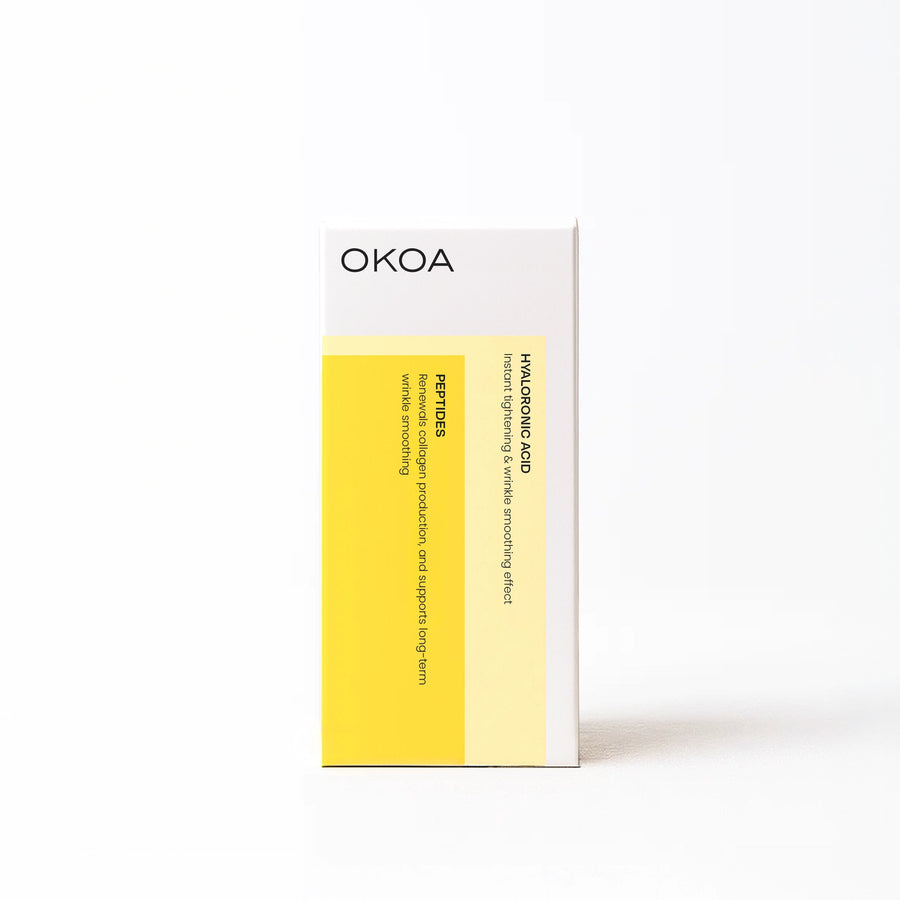
Okoaskin Dual Action Lifting Cream
Aloe done the way this page recommends
Formulated and stable rather than cut from a leaf, with the IDEALIFT (acetyl dipeptide-1 cetyl ester) peptide and hyaluronic acid that aloe on its own does not provide. In IDEALIFT-maker Sederma's two-month, single-blind placebo-controlled study, 80% of participants reported firmer-looking skin (supplier evidence, not independent research).
Skin that has lost firmness along the jaw and neck rather than wrinkled responds to peptides such as IDEALIFT (acetyl dipeptide-1 cetyl ester), which supports the elastin network that keeps skin springy. The Okoaskin Dual Action Lifting Cream is $44.88 on subscription ($61.90 one-time) with a 90-day money-back guarantee.
FAQ
Can I apply aloe vera gel on my face every day?
Yes, many people can use aloe vera gel on the face every day if their skin tolerates it well.
Daily use makes the most sense for hydration or soothing. If your skin starts to feel tight, itchy, or more reactive, stop and reassess the formula.
How long should I leave aloe vera on my face overnight?
If your skin tolerates it, you can leave a thin layer on overnight and rinse or cleanse as usual in the morning.
Start cautiously. Patch test first, then try it for one night before making it a regular habit.
Is fresh aloe vera better than store-bought aloe vera gel for face skin?
Not necessarily.
Fresh aloe may sound more natural, but it is less consistent, less stable, and more likely to irritate some people. A well-formulated store-bought aloe product is usually easier to use safely and predictably.
What is the Okoaskin Dual Action Lifting Cream and what is in it?
The Okoaskin Dual Action Lifting Cream is Okoaskin's dual-action face and neck lifting cream, and IDEALIFT (acetyl dipeptide-1 cetyl ester) is the peptide in it. 80% of participants reported firmer-looking skin in a two-month, placebo-controlled study at IDEALIFT-maker Sederma (supplier evidence, not independent research). The Okoaskin Dual Action Lifting Cream is $44.88 on subscription and $61.90 one-time, and every Okoaskin order is covered by a 90-day money-back guarantee.
 Okoaskin Dual Action Lifting Cream · IDEALIFT
$44.88 $61.90
Shop now
Okoaskin Dual Action Lifting Cream · IDEALIFT
$44.88 $61.90
Shop now