
Side Effects of Aloe Vera on Face: What to Know Before Using Aloe Vera Gel for Face

Is aloe vera safe for the face?
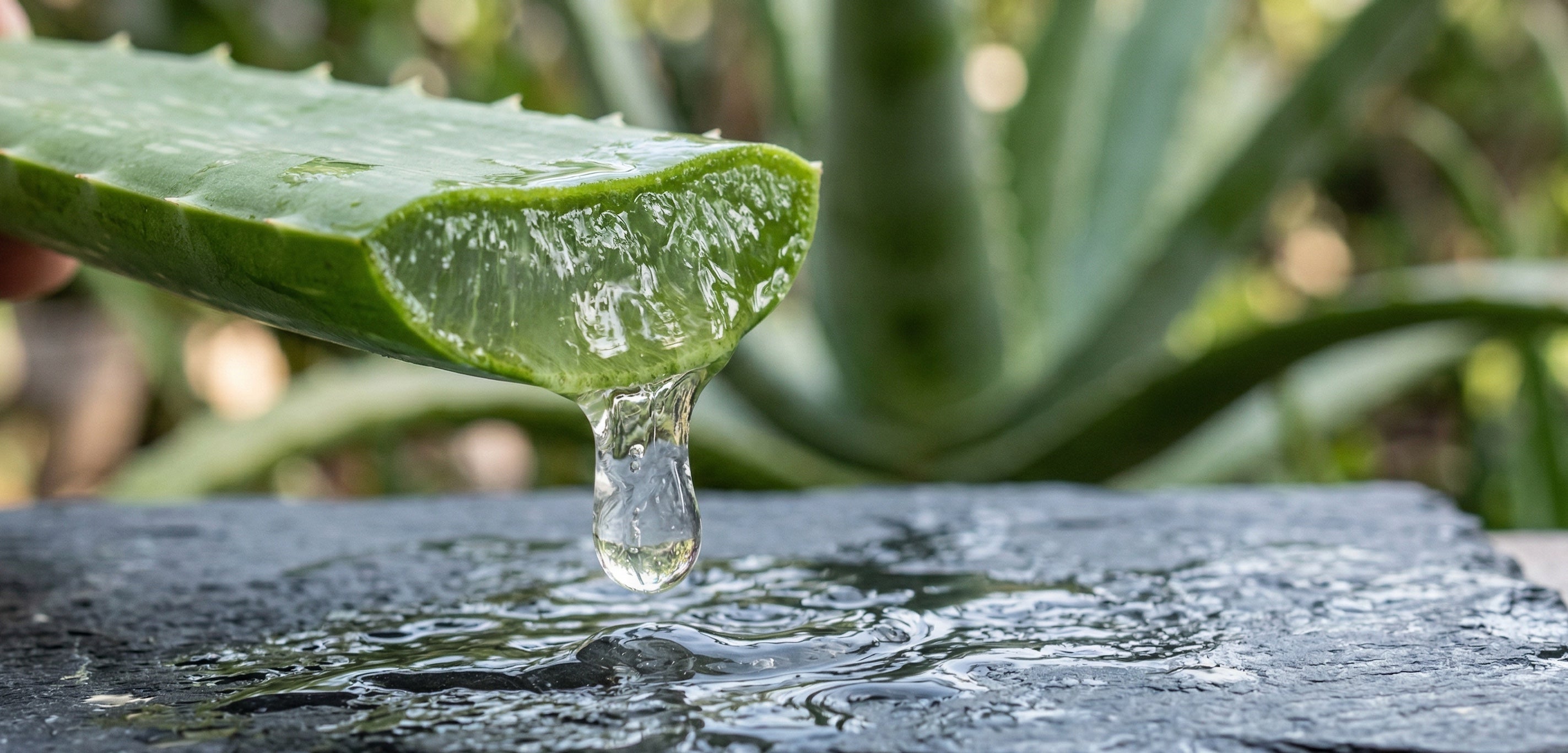
Aloe vera has a gentle reputation, and often for good reason. It is commonly used to soothe skin and support hydration. But natural does not automatically mean risk-free.
That matters because people often assume aloe vera gel for face use is universally safe. It is not. A product can feel cooling and still cause irritation, dryness, or allergy in the wrong context.
Aloe vera may help calm skin after mild irritation, dryness, or heat exposure. It can also add lightweight hydration. Those benefits are real, but they can coexist with side effects, especially if your barrier is already stressed or the formula contains other triggers.
It also helps to separate three different things that often get grouped together:
- Pure inner aloe gel from the inside of the leaf
- Whole-leaf extracts, which may include more plant components
- Commercial aloe products with preservatives, fragrance, alcohol, essential oils, or colorants
In practice, side effects often come from the full formula, not aloe alone. A fragranced aloe gel and a simple inner-leaf gel are not the same skincare experience.
The goal here is not to make aloe sound dangerous. It is to set realistic expectations and show how to use aloe vera on face more safely if it suits your skin.
Why aloe vera can feel helpful at first
Aloe feels appealing because it is mostly water and tends to spread in a light, cooling layer. That texture can feel especially good on skin that is hot, tight, or mildly irritated.
This is why people often reach for it after sun exposure, dryness, shaving, or overdoing active ingredients. It can make skin feel calmer quickly, even if the improvement is mostly surface-level and temporary.
Why a soothing ingredient can still cause problems
Soothing is not the same thing as universally non-reactive.
Aloe can still trigger contact irritation, especially on freshly exfoliated or sensitized skin. Some people develop allergic contact dermatitis. Others react to the preservatives, fragrance, or alcohol in aloe-based formulas rather than the aloe itself.
Overuse can also be part of the problem. A thin layer used briefly is different from repeated applications all day or a heavy overnight coating on reactive skin.
What are the side effects of aloe vera on face?
The most relevant topical side effects of aloe vera on face include:
- stinging
- burning
- redness
- itching
- rash
- dryness
- tightness
- peeling
- allergic contact dermatitis
These reactions are more likely when the skin barrier is already compromised. Common examples include skin after chemical exfoliation, shaving, retinoid use, or a period of over-cleansing.
Layering also matters. Aloe may sting more when used with strong actives like exfoliating acids or potent vitamin C formulas. In those cases, the problem may be cumulative irritation rather than aloe acting alone.
A brief mild tingle is not always a true reaction. Some people notice a short-lived sensation on very dry or freshly cleansed skin that fades quickly. But burning that continues, itching that builds, or visible redness and rash are different. Those are signs to stop.
One search concern deserves a calm distinction. Topical aloe vera on the face is not the same issue as oral aloe exposure. Questions like "can aloe vera cause cancer" are generally tied to ingestible aloe latex safety discussions, not ordinary topical facial use. That does not mean topical products are reaction-free. It means the risk conversation is different.
The most common skin reactions to watch for
The most common reaction is simple irritation. Your skin may feel hot, stingy, or slightly red soon after application.
Some people develop itching instead. That can happen quickly or show up hours later.
Dryness is another overlooked side effect. Aloe is often used for hydration support, but repeated use of certain gels can leave skin feeling tight or papery, especially if the product is mostly water and dries down without enough barrier support.
A delayed rash is more suggestive of allergy. This can look like persistent redness, itchy bumps, rough patches, or irritation that gets worse with repeat use instead of better.
Who is more likely to react
Some skin types are more likely to have trouble with aloe vera on the face.
That includes people with:
- sensitive skin
- eczema-prone skin
- rosacea-prone skin
- a recently damaged barrier
- recent chemical exfoliation
- current retinoid use
- known plant allergies, including allergy history linked to the Liliaceae family
If your skin already burns with "gentle" products, aloe should not get a free pass just because it is familiar.
When to stop using aloe vera and get medical advice
Stop using aloe vera and seek medical advice if you notice:
- swelling
- hives
- blistering
- a worsening rash
- reactions near the eyes
- symptoms that do not settle after you stop
If you have a diagnosed skin condition, or repeated unexplained facial reactions, it is worth checking with a dermatologist before trying more soothing products at random.
Side effects of aloe vera on face overnight, in the morning, and in the afternoon
Timing changes how a product behaves on skin. The same aloe gel can feel fine for 20 minutes and irritating after eight hours.
That is why the side effects of aloe vera on face overnight, in the morning, and in the afternoon are worth separating. Wear time, sweat, heat, sun, sunscreen, and routine layering all affect tolerance.
Side effects of aloe vera on face overnight
Side effects of aloe vera on face overnight are often linked to prolonged contact.
If the product sits on skin for hours, especially under a heavier cream or on already sensitized skin, you may be more likely to notice dryness, tightness, itching, or a clogged feeling by morning.
Overnight use can also reveal an allergy that a quick daytime trial did not. A short patch may seem fine, then a full night of contact brings out redness or rash.
This does not mean overnight aloe is always a bad idea. Some people tolerate it well. But longer contact is usually higher risk than short-contact use, especially for reactive skin.
Side effects of aloe vera on face in the morning
Side effects of aloe vera on face morning use are often more practical than dramatic.
Aloe can sting on freshly cleansed skin, particularly if you washed with a strong cleanser or used an active the night before. Some formulas also pill under sunscreen or makeup, which can tempt people to rub harder and irritate skin further.
Morning layering matters too. If aloe is used with vitamin C, exfoliating pads, or other active products, irritation may show up faster. The problem may look like "aloe irritation" when the real issue is an overloaded routine.
Side effects of aloe vera on face in the afternoon
Side effects of aloe vera on face afternoon use are often tied to heat, sweat, and reapplication.
Applying aloe on warm or sweaty skin can increase stinging. Reapplying it over sunscreen can also create texture issues, patchiness, or a film that feels uncomfortable.
After sun exposure, skin may already be reactive. In that setting, it can be hard to tell whether the redness is from the aloe, the heat itself, a sunscreen reaction, or a combination of all three.
This is one reason afternoon use can be confusing. The skin has already been through more by then.
Which timing is least likely to cause problems
For many people, short-contact use on calm, intact skin is lower risk than heavy overnight use.
That might mean applying a small amount once, seeing how your skin responds, and not trapping it under multiple products right away.
Still, tolerance varies. Some people do better with a light evening application. Others only tolerate aloe occasionally, or not at all.
Does aloe vera actually help facial skin, and what are its limits?
Aloe vera can help facial skin, but its strengths are narrow.
It may support surface hydration, temporary soothing, and general comfort after minor irritation. That is why searches around benefits of aloe vera on skin overnight and how to use aloe vera on face are so common.
But aloe is not a cure-all. It is unlikely to replace a proper barrier-repair moisturizer, a targeted acne treatment, or ingredients chosen for longer-term aging concerns.
This distinction matters because quick cosmetic effects are easy to overread. Skin can feel softer and calmer after aloe without any meaningful change in acne, pigmentation, or chronic redness.
What aloe vera may help with
Aloe vera may help with:
- temporary soothing after minor irritation
- lightweight hydration support
- reducing the feeling of tightness
- comfort after mild heat or dryness
That is useful, especially if your skin prefers light textures. But the effect is usually cosmetic and short-term.
What aloe vera is unlikely to fix
Aloe vera is unlikely to fix:
- persistent acne
- melasma
- deep wrinkles
- significant rosacea or ongoing redness disorders
- broken skin that needs medical evaluation
If you are hoping aloe vera gel for face use will handle barrier repair, acne control, or anti-aging on its own, it will likely fall short.
How to use aloe vera on face safely and choose the right product
If you want to try aloe, keep the routine simple at first.
Use a patch test. Start with a small amount. Apply it only to intact skin. Do not introduce it on the same day as multiple strong actives if your skin is already reactive.
When choosing a product, look for fewer possible irritants. In general, a better aloe formula is less likely to include:
- added fragrance
- drying alcohols
- strong essential oils
- unnecessary colorants
Sometimes aloe is not the smartest choice. If your skin is severely dry, inflamed, or barrier-damaged, a bland moisturizer with barrier-supporting ingredients may be a better first step.
Patch testing and first-use rules
Patch test on a small area first, such as along the jawline or behind the ear.
Then wait at least 24 to 48 hours. Delayed reactions matter. Not every allergy shows up in the first few minutes.
If the patch stays calm, use a small amount on a limited facial area before applying it all over.
Can you leave aloe vera on your face overnight?
Yes, some people can leave aloe vera on their face overnight.
But it is not automatically better, and it should not be the default for sensitive or reactive skin. Overnight use increases contact time, which can increase the chance of dryness, itching, or a delayed rash.
If you want to test overnight use, do it only after a patch test and a few shorter successful uses.
When to skip aloe vera altogether
Skip aloe vera altogether if:
- your skin is severely irritated
- you have open wounds on the face
- the product will be used around the eyes
- a dermatologist has identified contact dermatitis triggers for you
In those cases, simpler and more targeted care is usually the safer choice.
FAQ
What are the side effects of aloe vera on face overnight?
The main side effects of aloe vera on face overnight are dryness, tightness, itching, redness, and delayed rash. Longer contact can also reveal an allergy that a short daytime test did not show. If your skin is sensitive or already irritated, overnight use is more likely to cause problems than brief use on calm skin.
Can aloe vera irritate facial skin if I use it in the morning under sunscreen?
Yes. Aloe vera can irritate facial skin in the morning if it stings on freshly cleansed skin, reacts with other active products in the routine, or pills under sunscreen and makeup. The issue is often the full routine, not aloe alone. If you want to test it, use a small amount under a simple morning routine first.
Why does aloe vera make my face itch or burn instead of soothing it?
Itching or burning can happen because of contact irritation, allergy, a damaged skin barrier, or formula additives like fragrance or alcohol. It can also happen when aloe is applied after exfoliation, shaving, or alongside stronger actives. If the sensation is persistent or gets worse, stop using it.
Read more
We analysed over five years of Google search data to determine which skincare ingredients Americans search for most, and how dramatically the landscape has shifted since 2020.Last updated: April 13...
Skin cycling is one of those skincare trends that became popular fast for a reason. Unlike many trend-driven routines, it solves a real problem. A lot of people are not failing because they chose t...