
Hyaluronic Acid vs Sodium Hyaluronate

What are Hyaluronic Acid & Sodium Hyaluronate?
Hyaluronic acid and sodium hyaluronate are closely related forms of the same water-binding substance, used in skincare as humectants to attract and hold water.
But most people do not start with a chemistry question.
They start by shopping for a hyaluronic acid serum or moisturizer, flip the bottle over, and see sodium hyaluronate on the ingredient list instead. That naturally raises a fair question: did the brand swap in a different ingredient, or are these basically the same thing?
The confusion makes sense because the names sound similar but not identical. Many readers assume they must be completely different ingredients. In practice, they are very closely related.
This is also not really a dramatic winner-versus-loser debate. It is mostly a formulation and labeling question. Both ingredients are used for hydration. Both function as humectants. And in a finished skincare product, the quality of the overall formula usually matters more than which of these two names appears on the front of a marketing claim.
Are hyaluronic acid and sodium hyaluronate the same thing?
Hyaluronic acid and sodium hyaluronate are closely related forms of the same water-binding substance, and both are used in skincare as humectants. Their main job is to attract and hold water, which can help skin feel more hydrated and look temporarily smoother and plumper.
So no, they are not identical.
But they are close enough that most shoppers should think of this as a difference in form, not a difference in basic purpose.
Hyaluronic acid vs sodium hyaluronate: the core differences
Hyaluronic acid is the parent molecule.
Sodium hyaluronate is the sodium salt form of hyaluronic acid.
That distinction matters mostly because different forms can behave differently in a cosmetic formula. Both are known for binding water. Both are used to support hydration at the skin's surface. Both can improve the look of dehydration-related dullness or fine lines, at least temporarily.
One commonly discussed difference is molecular size. Sodium hyaluronate is generally smaller than hyaluronic acid, which is why it is often described as penetrating more easily. That claim has some logic behind it, but it is often overstated in skincare marketing.
Another practical difference is formula behavior. Sodium hyaluronate is often preferred because it is typically more stable and easier for formulators to work with in finished products. That is one reason you may see sodium hyaluronate listed on labels more often than plain hyaluronic acid.
Quick comparison table
|
Feature |
Hyaluronic Acid |
Sodium Hyaluronate |
|
Form |
Parent molecule |
Sodium salt form of hyaluronic acid |
|
Main function |
Humectant that binds water |
Humectant that binds water |
|
Molecular size |
Usually larger |
Generally smaller |
|
Formula behavior |
Can be used in formulas, but less commonly highlighted on labels |
Often preferred for stability and formulation ease |
|
Skin feel |
Can feel hydrating and plumping |
Often used in lighter-feeling hydrating formulas |
|
Common label usage |
Sometimes highlighted in marketing language |
Very common on ingredient lists |
Why brands often list sodium hyaluronate instead of hyaluronic acid
Brands often use sodium hyaluronate because it is more formulation-friendly in real products. It is commonly used in serums, skin tightening creams, and gels because it tends to be stable and practical to work with. So if you expected to see "hyaluronic acid" on the label and found sodium hyaluronate instead, that does not usually mean the brand removed the hydrating function you were looking for.
It often just reflects how the formula was built.
That is why label language can be confusing. The product may be marketed around hyaluronic acid because that is the name shoppers recognize, while the ingredient list shows sodium hyaluronate because that is the specific form used in the formula.
Does sodium hyaluronate really penetrate deeper?
Sodium hyaluronate is generally smaller, so it may interact with the skin surface differently and may be more likely to move into the uppermost layers compared with larger forms of hyaluronic acid. But the popular claim that it simply "penetrates deeper" is often too broad to be useful.
In a topical serum or cream, both ingredients mainly work in the upper layers of the skin by binding water.
That matters because many hydration claims get stretched into anti-aging claims that sound more structural than they really are. Neither hyaluronic acid nor sodium hyaluronate should be framed as meaningfully reaching the dermis in the way marketing language can imply. Their visible effect is primarily hydration-driven.
That is why skin can look plumper quite quickly after use. Water content at the surface improves. Fine dehydration lines may look softer. Crepey texture may look less obvious.
But that is not the same thing as structural firming or collagen rebuilding.
What these ingredients can and cannot do
Both ingredients can:
-
improve the appearance of dehydration
-
help skin feel more comfortable and less tight
-
make surface crepiness look less obvious
-
give a temporary plumping effect
Both ingredients cannot, on their own:
-
lift significant sagging
-
rebuild facial structure
-
meaningfully replace collagen-supporting actives or in-office treatments
-
deliver a deep structural anti-aging effect from a standard topical serum
That does not make them unimportant.
It just places them in the right category. They are excellent hydrators, not standalone structural anti-aging solutions.
Which is better for skin, and does your skin type change the answer?
The short verdict is simple: neither is universally better.
In practice, formula quality matters more.
A well-formulated product with sodium hyaluronate can absolutely outperform a poorly formulated product with hyaluronic acid. The reverse is also true. If one product hydrates well, layers nicely, and helps reduce water loss, it will usually serve your skin better than a product with a technically impressive ingredient name but weak formulation around it.
This is what "neither is better" actually means in real life.
It is also common for products to use both together, or to combine multiple molecular weights of hyaluronic acid derivatives. That often makes more practical sense than trying to crown one single form as best.
Skin type can shape texture preferences, though. Sodium hyaluronate often appears in lighter-feeling formulas, which may appeal more to oily or combination skin. Richer creams may pair humectants with more occlusive or barrier-supporting ingredients, which can work better for dry or mature skin.
How to choose a hyaluronic acid serum or moisturizer
Look past the ingredient headline.
Evaluate the whole formula:
-
Humectants: not just hyaluronic acid or sodium hyaluronate, but glycerin, panthenol, or beta-glucan
-
Barrier support: ceramides, fatty acids, cholesterol, or soothing ingredients
-
Texture: gel, lotion, cream, or balm
-
Finish: does it sit well under sunscreen or makeup?
-
Water-loss control: does the product help seal hydration in, or does it evaporate quickly on your skin?
This is especially important because humectants work best when the routine also supports the skin barrier. A hydrating serum alone can help, but a serum followed by a good moisturizer usually works better.
When multi-weight formulas make more sense
If you are choosing between a product marketed around one "superior" form and a well-made formula using multiple forms or molecular weights, the second option often makes more sense.
Multi-weight formulas are designed to create a broader hydration profile at the skin surface and upper layers. In practical terms, that often matters more than obsessing over whether a label says hyaluronic acid or sodium hyaluronate.
The better question is usually: does this formula leave my skin consistently hydrated and comfortable?
How to use them well
Humectant-based serums usually work best when applied to slightly damp skin.
Then follow with a moisturizer. That helps reduce water loss and gives the humectant something useful to hold onto. Without that second step, especially in dry environments, a hydrating serum may not feel as effective.
A common myth is that hyaluronic acid should not be mixed with other skincare ingredients. That is too simplistic. There is nothing inherently dangerous about mixing hyaluronic acid or sodium hyaluronate with most skincare ingredients.
The real issue is skin condition, not chemistry panic.
If your skin is already very dry, irritated, or over-exfoliated, layering strong actives like retinoids or exfoliating acids may increase discomfort. That does not mean hyaluronic acid is the problem. It means your routine may need fewer stressors and more barrier support.
Another related search worth addressing is beta-glucan, which is often discussed in Korean skincare as an alternative humectant. It is not a direct replacement in every formula, but it is a common water-binding ingredient people choose when they want hydration with a slightly different feel.
One more point of confusion: sodium hyaluronate is not only used in face products. It also appears in eye drops used for dry eye support, where its water-binding and lubricating properties are useful. And if you have seen discussions about hyaluronic acid or sodium hyaluronate for joints, that is a separate topic from skincare and should not be confused with what a facial serum does.
A realistic takeaway for shoppers
Do not overfocus on the label difference alone.
Hyaluronic acid and sodium hyaluronate are closely related, and both are used to hydrate skin. Sodium hyaluronate is often smaller and more formulation-friendly, which helps explain why it appears so often on ingredient lists. But that does not automatically make it the better product choice.
Choose the formula that fits your skin type, texture preferences, and broader routine.
If the product hydrates well, layers well, and helps your skin stay comfortable through the day, that matters more than the naming difference by itself.
FAQ
Are hyaluronic acid and sodium hyaluronate basically the same thing?
They are not exactly the same, but they are very closely related. Hyaluronic acid is the parent molecule, and sodium hyaluronate is its sodium salt form. In skincare, both are mainly used as humectants to bind water and support surface hydration.
Does sodium hyaluronate penetrate deeper than hyaluronic acid?
It is generally smaller, so it may move more easily into the uppermost layers of skin than larger forms of hyaluronic acid. But the usual "deeper penetration" claim is often oversimplified. In standard topical skincare, both mainly work at the surface and in the upper layers by attracting water.
Which form of hyaluronic acid is best for skin?
Usually, the best choice depends more on the formula than the form. A well-made multi-weight formula or a product with good barrier support can outperform a product that simply highlights one form for marketing purposes.
Is sodium hyaluronate better for oily skin?
Sometimes, yes. It often appears in lighter-feeling gels and serums, which can suit oily or combination skin well. But texture and overall formulation still matter more than the ingredient name alone.
What should I never mix with hyaluronic acid?
There is nothing you categorically "should never" mix with hyaluronic acid in a normal skincare routine. It generally layers well with most ingredients. The bigger issue is that strong actives on already dry or irritated skin can increase stinging, tightness, or redness.
What do Koreans use instead of hyaluronic acid?
A common alternative humectant in Korean skincare is beta-glucan. It is used for hydration and can be a good option for people who want a different texture or formula profile. It is best thought of as an alternative humectant, not as a strict replacement rule.
Read more
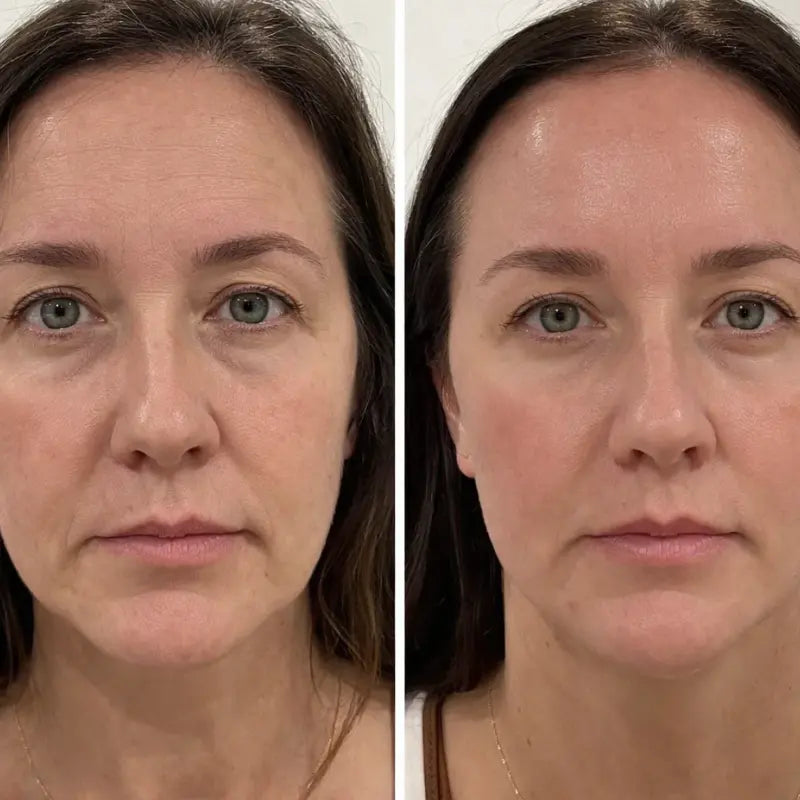
Sodium hyaluronate appears on more ingredient lists than hyaluronic acid itself - yet most people have never heard of it. This guide explains what sodium hyaluronate is, what it actually does for s...

Most hydration advice stops at recommending one ingredient. That is rarely enough. This guide explains why skin hydration works better as a system -how humectants, emollients, occlusives, and barri...