
Glycolic Acid vs Salicylic Acid: Which Exfoliant Is Right for Your Skin?
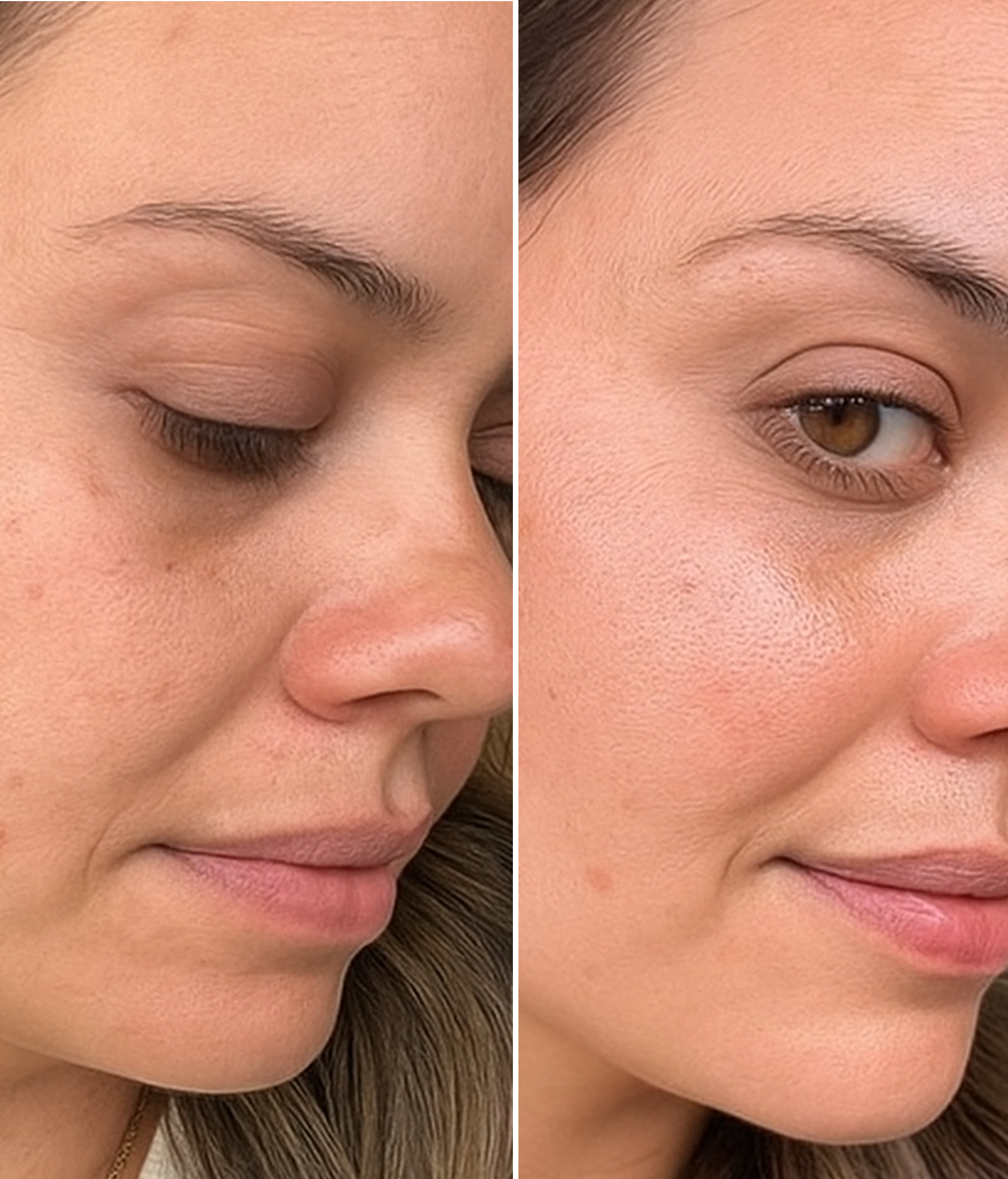
Glycolic Acid vs Salicylic Acid: The Short Answer
If you have ever tried to compare exfoliating acids, the confusion is understandable. Both glycolic acid and salicylic acid are widely used, both can improve the look and feel of skin, and both show up in cleansers, toners, pads, and serums. But they are not interchangeable.
The short answer is this: salicylic acid is usually the better fit for oily, acne-prone, and congested skin, while glycolic acid is typically better for dullness, rough texture, uneven tone, and early visible aging concerns.
That does not mean one acid is universally better. Results depend on your skin type, what you are trying to improve, how often you use it, and how the product is formulated. A well-formulated cleanser can behave very differently from a strong leave-on peel.
This guide will walk through the mechanism, best use cases, safety considerations, and routine rules first. That matters more than picking an acid based on hype.
If you only remember one difference
Glycolic acid works mainly at the skin surface. Salicylic acid is oil-soluble, so it can work inside pores.
That single difference explains most of the visible results people see from each one.
What Glycolic Acid and Salicylic Acid Actually Do
Glycolic acid and salicylic acid both exfoliate, but they belong to different ingredient families.
Glycolic acid is an AHA, or alpha hydroxy acid. AHAs work mainly on the skin's surface by loosening the bonds between dead skin cells. This can help skin look smoother, brighter, and more even over time.
Salicylic acid is a BHA, or beta hydroxy acid. BHAs are oil-soluble, which means they can move through oil and help loosen buildup inside pores. That makes salicylic acid especially relevant for blackheads, congestion, and acne-prone skin.
Both acids can improve the appearance of skin, but they do it through different routes. Treating them as interchangeable usually leads to disappointment or irritation.
What is glycolic acid?
Glycolic acid is an alpha hydroxy acid best known for surface exfoliation. It is often used to improve rough texture, dullness, uneven tone, and the appearance of fine lines. Because it works at the surface, it is commonly chosen by people who want skin to look smoother, fresher, and brighter rather than less congested.
Its small molecular size may also make it feel more potent than some other exfoliating acids, which is useful for results but worth respecting if your skin is reactive.
What is salicylic acid?
Salicylic acid is a beta hydroxy acid that is lipid-soluble, meaning it can work through excess oil. That is why it is so often recommended for oily skin, clogged pores, blackheads, and breakout-prone areas.
It is not just an "acne ingredient." It is better understood as a pore-focused exfoliant. If your main frustration is congestion rather than dullness, that distinction matters.
Why the mechanism matters for results
When you understand how each acid behaves, the results make more sense.
Glycolic acid tends to suit people focused on:
- rough or uneven texture
- tired, dull-looking skin
- post-summer lack of radiance
- softening the appearance of early fine lines
- improving the look of uneven tone over time
Salicylic acid tends to suit people focused on:
- blackheads
- visibly clogged pores
- excess oil
- recurring congestion
- acne-prone skin
The right acid depends less on trendiness and more on where the problem sits: surface texture or inside the pore.
Which Acid Is Better for Your Skin Goals?
The most useful way to choose is by skin concern, not by asking which ingredient "wins."
Choose salicylic acid for oily skin, breakouts, and congestion
If your skin is oily by midday, prone to blackheads, or dealing with visible pore congestion, salicylic acid is usually the stronger fit. Because it is oil-soluble, it can help loosen buildup where congestion forms.
That makes it especially relevant for:
- oily skin
- acne-prone skin
- blackheads on the nose or chin
- clogged-looking pores
- combination skin with a congested T-zone
It may also be the better choice if your skin breaks out easily when products feel too rich or heavy.
Choose glycolic acid for texture, dullness, and visible aging concerns
If your main goal is smoother texture, brighter-looking skin, or a more refined surface, glycolic acid is often the better option. It is frequently used for rough patches, uneven tone, and the softening of early visible aging concerns.
It tends to make more sense for:
- dull or tired-looking skin
- rough texture
- uneven skin tone
- post-inflammatory marks that linger at the surface
- fine lines and early visible aging concerns
- mature skin that wants radiance without aggressive treatment
For readers focused on that kind of daily surface refresh, a glycolic-based cleanser can be an approachable starting point. Glycolic Daily Cleanser is one example of a wash-off glycolic option for smoother texture and a more radiant look, especially if you prefer exfoliation in a cleanser rather than a stronger leave-on treatment.
What about sensitive or dry skin?
Sensitive skin can react to both acids. Glycolic acid can feel especially strong because of how effectively it works at the surface, while salicylic acid can become drying if used too often or layered badly.
If your skin is dry, reactive, or easily irritated:
- start with one acid, not both
- use it a few times per week, not daily at first
- patch test before full use
- support it with a simple moisturizer
- stop increasing frequency if you see redness, burning, or persistent tightness
For some people, a wash-off cleanser format is easier to tolerate than a leave-on acid serum.
Glycolic acid vs salicylic acid vs hyaluronic acid vs retinol
These ingredients often get compared, but they do not all do the same job.
- Glycolic acid: surface exfoliation for texture, tone, and radiance
- Salicylic acid: pore-focused exfoliation for oil, blackheads, and congestion
- Hyaluronic acid: a hydrator, not an exfoliant. It helps skin hold water and look plumper at the surface
- Retinol: a separate category focused on cell turnover and longer-term visible aging support
If you are trying to choose between exfoliation and hydration, hyaluronic acid is not an alternative to glycolic or salicylic acid. It plays a different role. The same is true for retinol, which can support skin over time but also increases the need for careful routine planning.
Can You Use Salicylic Acid and Glycolic Acid Together?
Yes, salicylic acid and glycolic acid can be used in the same overall routine, but not always at the same time and not by every skin type.
The main risk is irritation. Stacking exfoliants too quickly can leave skin tight, red, flaky, or reactive. That risk is higher if you are new to acids, have sensitive skin, or are already using retinoids or stronger active products.
A practical approach is usually best:
- start with one acid first
- patch test
- give it a couple of weeks before adding anything else
- alternate nights instead of layering both at once
- pay attention to how your skin feels, not just how often the label says you can use it
Cleanser formats can help here. A wash-off acid cleanser is often a gentler entry point than a leave-on exfoliant.
When combining both acids makes sense
Using both can make sense if you have combination skin with more than one concern, such as congestion around the nose and chin but also dull, rough texture elsewhere.
In that case, a mixed routine may look like:
- salicylic acid on alternate nights for pore congestion
- glycolic acid on separate nights for surface texture and radiance
That can be effective, but gradual introduction matters more than ambition.
What not to mix on the same night
Be cautious about combining either acid with:
- retinoids
- stronger at-home peels
- multiple exfoliating pads or serums
- several "active" products layered together without a plan
More active ingredients do not automatically mean better results. Over-exfoliation is common, and it usually shows up before the benefits do.
If you are pregnant, nursing, or managing a diagnosed skin condition, it is sensible to check with your dermatologist before adding stronger exfoliating products.
Where a glycolic cleanser can fit
A glycolic cleanser can be a good fit if you want daily surface refresh without committing immediately to a leave-on acid. That is particularly useful for people whose goals are smoother texture, a brighter look, or mild visible aging support rather than heavy pore congestion.
Realistic Expectations, Side Effects, and How to Choose Well
Exfoliating acids can be helpful, but they are not instant-fix ingredients.
Smoother or brighter-looking skin may show up relatively quickly, especially with consistent use. Improvements in the appearance of marks, uneven texture, or fine lines usually take longer and depend on regular use and good barrier support.
It also helps to be clear about what these acids cannot do. Neither glycolic acid nor salicylic acid will:
- treat deeper structural aging
- permanently clear pores
- replace prescription acne treatment when acne is moderate to severe
- make irritation disappear if the rest of your routine is too aggressive
Common side effects include dryness, mild stinging, flaking, and increased sun sensitivity. Daily sunscreen is not optional when you use exfoliating acids, particularly AHAs like glycolic acid.
Signs you are over-exfoliating
Watch for:
- burning rather than mild tingling
- persistent redness
- unusual tightness
- flaking that keeps getting worse
- skin that suddenly feels more sensitive to everything
- a shiny, irritated, compromised-looking barrier
If that happens, scale back. More frequent exfoliation is not a shortcut.
A simple decision guide
Choose salicylic acid if your main concern is:
- oily skin
- blackheads
- visible congestion
- acne-prone skin
- clogged pores
Choose glycolic acid if your main concern is:
- rough texture
- dullness
- uneven tone
- glow
- softening the appearance of early visible aging
And if your goal is gentle, routine-friendly surface exfoliation, a glycolic cleanser can make sense before moving into stronger leave-on products.
FAQ
Can I use salicylic acid and glycolic acid together?
Yes, but usually not as a beginner and not always in the same routine step. Many people do better alternating them on different nights rather than layering both at once.
Is glycolic acid or salicylic acid better for acne and blackheads?
Salicylic acid is usually better for acne-prone skin, blackheads, and congestion because it is oil-soluble and can work inside pores.
Is glycolic acid better than salicylic acid for dull skin and fine lines?
Often, yes. Glycolic acid is usually the better fit for dullness, rough texture, uneven tone, and softening the appearance of early fine lines.
Which acid is better for sensitive skin?
Neither is automatically best for sensitive skin. Tolerance depends on the formula, strength, and frequency. If your skin is reactive, start slowly, patch test, and consider a wash-off format instead of a strong leave-on acid.
Is glycolic acid or salicylic acid better for anti-aging?
For visible surface concerns linked to aging, such as rough texture, dullness, and fine lines, glycolic acid is usually more relevant. Salicylic acid is less of an anti-aging ingredient and more of a pore and congestion ingredient. If you are exploring additional options to firm, smooth, and support skin, combining a well-chosen exfoliant with a targeted moisturizer is often a practical next step.
Can glycolic acid help fade acne marks?
It can help improve the appearance of post-acne marks over time by exfoliating the surface and supporting a more even-looking skin tone. Results vary, and consistent sunscreen use matters if fading marks is the goal.
Read more
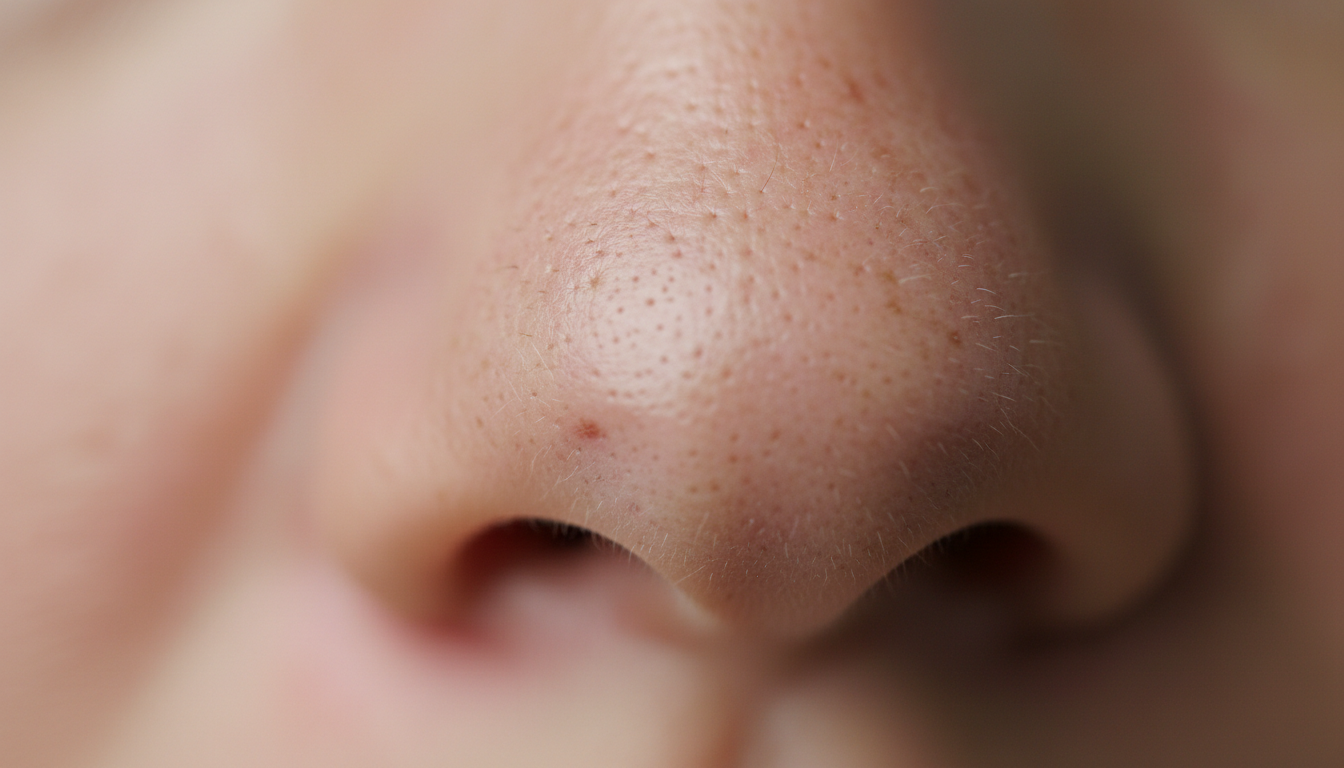
Learn what glycolic acid does for skin, including benefits for glow, texture, fine lines, uneven tone, and how to use it safely without irritation
Compare the best body firming creams for crepey texture, mild laxity, and post-weight-loss skin, with honest ingredient-based picks and realistic results.