
Best Anti Aging Cream for 50s: What to Look For and Which Formulas Are Actually Worth It
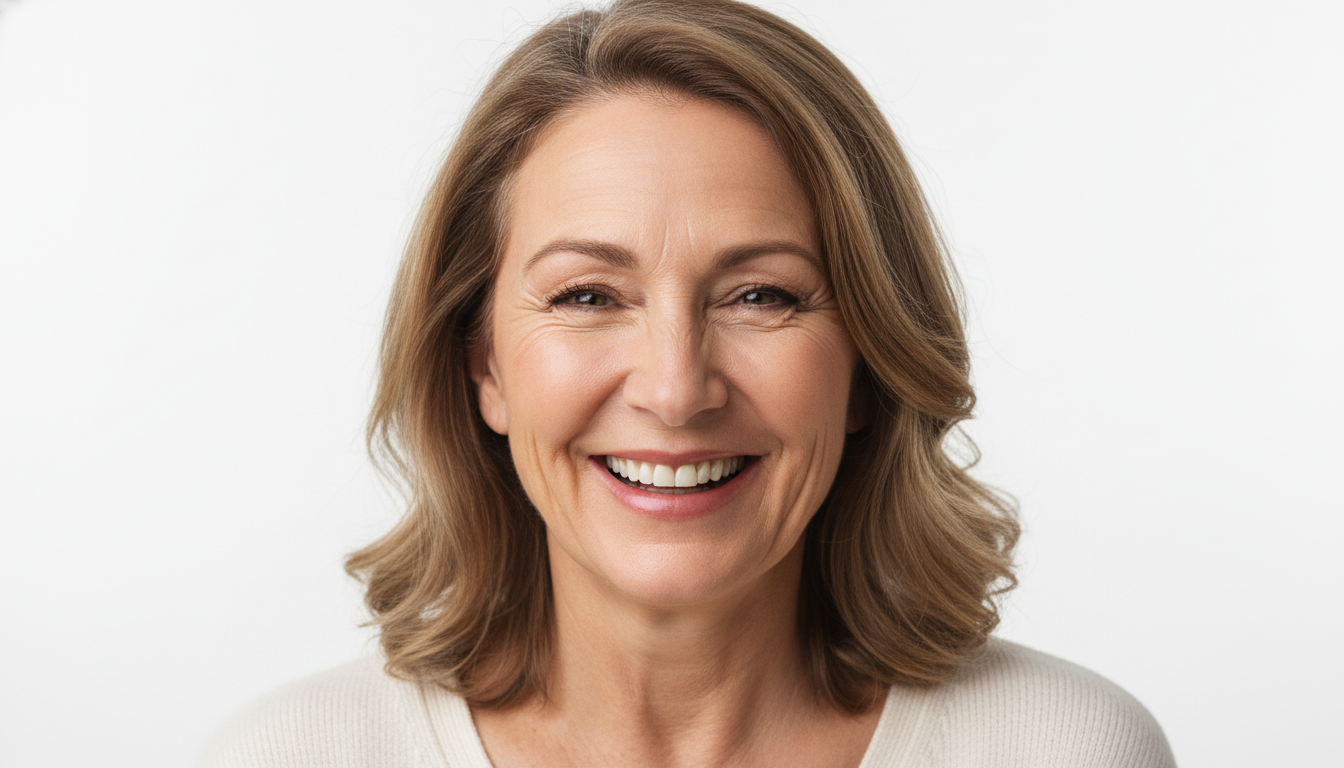

Okoaskin Dual Action Lifting Cream
Visible firming, without a harsh routine
The peptide route: immediate visible smoothing plus firmness that builds. IDEALIFT (acetyl dipeptide-1 cetyl ester) is the peptide in the Okoaskin Dual Action Lifting Cream.
SHOP NOW

Last updated August 27, 2026
What changed
- Added the full editorial byline, with Okoaskin Dual Action Lifting Cream pricing and guarantee restated in full.
- Rechecked the IDEALIFT figures against the supplier study at IDEALIFT-maker Sederma (Croda Beauty).
What changes in your skin during your 50s
By your 50s, skin often needs more than a basic moisturizer. Collagen production declines with age, cell turnover slows, dryness becomes more common, and the skin barrier can become less resilient. For many women, that shows up as rougher texture, less bounce, more visible fine lines, and skin that suddenly reacts to products that never used to be a problem.
That is why the best anti aging cream for 50s is rarely the most expensive jar or the one making the boldest promise. It is the formula that matches the concerns that become more common at this stage: dryness, dullness, mild laxity, uneven tone, and a skin barrier that needs more support than it did a decade ago.
It also helps to set expectations early. A good cream can improve hydration, texture, radiance, and the appearance of fine lines. It may help skin look firmer over time when it includes well-chosen actives. What it cannot do is replace in-office treatment for significant sagging, deep structural folds, or pronounced jowling. Topical skincare has value, but it also has a ceiling.
Why a 40s routine stops being enough in your 50s
A routine that worked well in your 40s can start to feel underpowered in your 50s. Hormonal shifts, especially around and after menopause, can contribute to dryness and visible thinning. Years of cumulative sun exposure become more apparent. The barrier may recover more slowly after irritation. Even if you were using what once felt like the best anti aging cream for 40s, your skin may now need richer barrier support, more consistent hydration, or a gentler way to use stronger actives.
This is one reason many women feel like their usual cream has suddenly stopped working. Often, the formula has not changed. Your skin has.
Around perimenopause, products designed for immediate tightening can help offset surface changes.
What skincare can improve and where it reaches its limit
Topical care often helps with:
- dryness and dehydration
- dullness and rough texture
- mild crepiness
- fine lines
- early or mild loss of firmness
- uneven tone caused by sun exposure
Topical care is much less effective for:
- pronounced jowling
- deep folds caused by structural volume loss
- significant sagging
- advanced skin laxity
That distinction matters. If your main concern is surface dryness or fine lines, the right cream can make a visible difference. If the issue is deeper structural change, skincare can support overall skin quality but not lift tissue in the way procedures can.
 Firming Pick for Your 50s · Okoaskin
Okoaskin Dual Action Lifting Cream - the visible-firming pick: mineral silicates smooth on contact, IDEALIFT (acetyl dipeptide-1 cetyl ester) supports firmness over weeks. that builds over weeks. IDEALIFT is the peptide in the Okoaskin Dual Action Lifting Cream.
$44.88 Subscribe & Save
Firming Pick for Your 50s · Okoaskin
Okoaskin Dual Action Lifting Cream - the visible-firming pick: mineral silicates smooth on contact, IDEALIFT (acetyl dipeptide-1 cetyl ester) supports firmness over weeks. that builds over weeks. IDEALIFT is the peptide in the Okoaskin Dual Action Lifting Cream.
$44.88 Subscribe & Save Which ingredients matter most in the best anti aging cream for 50s
The easiest way to judge any anti-aging cream is to start with the ingredient categories that matter most, then look at brand claims second. For women 50+, the most useful formulas usually combine actives that support long-term improvement with ingredients that help the skin stay comfortable, hydrated, and resilient enough to tolerate them.
Retinoids, peptides and humectants are the categories tied to the look of firmness. Ceramides, shea butter and antioxidants belong in the formula too, but their job is comfort and tolerability, which is what lets you stay consistent long enough for the first group to show. The full list worth looking for:
- retinoids
- peptides
- ceramides
- hyaluronic acid and other humectants
- niacinamide
- antioxidants
- supportive nourishing lipids and oils
Some of these give quick cosmetic benefits. Others work gradually with consistent use. The best formulas often do both.
Retinoids peptides and antioxidants do the heavy lifting
Retinoids remain one of the most evidence-supported options for visible aging. They support skin cell turnover and can improve the appearance of fine lines, rough texture, and uneven tone over time. They are especially useful when wrinkles and texture are the priority, though they need to be introduced carefully because irritation is common, especially in mature skin.
Peptides are not the weaker option here; they are the route that suits this decade. Around and after menopause, skin gets drier, thinner, and newly reactive, which is exactly when retinol becomes too irritating to keep up consistently. Retinol owns wrinkles and texture. Peptides own the other lane: immediate visible smoothing plus gentle cumulative firming, without the sting, which is what makes them workable every day on perimenopausal skin.
Antioxidants help defend against environmental stress that contributes to visible aging. Vitamin C is the best-known example, but antioxidant blends can also be useful. They are not a substitute for sunscreen, but they can complement a broader anti-aging routine.
Outside of retinoids, well-formulated firming creams cover the rest of the daily ingredient picture.
Barrier-support ingredients that become more important after 50
After 50, support ingredients often matter just as much as the headline actives. Ceramides help reinforce the skin barrier and reduce water loss. Hyaluronic acid can quickly improve the look of dehydration and surface crepiness by drawing water into the upper layers of skin. Nourishing oils and lipids help seal that moisture in and make skin feel more comfortable.
These ingredients do not replace retinoids or peptides. They make the routine more tolerable and often improve the visible condition of mature skin faster than aggressive actives alone.
What ingredient labels can be misleading
A few common claims are worth treating carefully.
First, collagen creams do not rebuild your own collagen simply because they contain collagen. Topical collagen mainly acts as a surface hydrator.
Second, expensive does not automatically mean more effective. Price can reflect packaging, marketing, or texture elegance just as much as formula performance.
Third, natural ingredients are not automatically gentler. Some botanical ingredients are soothing. Others are irritating. Natural is not a guarantee of tolerance.
The better question is always the same: does the formula contain ingredients that fit your actual concern, and is it likely to be tolerable enough to use consistently?
How to choose the right anti-aging cream for your main concern
There is no single best cream for everyone in their 50s. A better approach is to choose based on your main concern, not the broadest marketing promise. That is also how related searches like best plumping face cream for mature skin or best anti aging night cream for 50s make more sense. They are usually asking for a use-case match, not one universal winner.
For dryness and crepey texture
If your skin feels tight, looks papery, or becomes irritated easily, start with barrier repair. Look for richer creams with ceramides, humectants like hyaluronic acid, and supportive lipids or nourishing oils. Mature skin often responds best when the barrier is calmer before you push harder on wrinkle-focused actives.
This type of formula is often a better first move than jumping straight into a strong retinoid cream.
For fine lines and gradual loss of firmness
If your priority is wrinkles and early firmness changes, retinoids and peptides usually make the most sense. Retinoids tend to help more with texture and fine lines. Peptides are often easier to tolerate and can be a good fit for gradual firming support. Hydrators still matter here because dehydration can exaggerate every line you already have.
Fine lines and texture usually respond better than deep, established wrinkles. That is worth remembering when judging results.
For sensitive skin that reacts to strong actives
Anti-aging care does not need to be aggressive to be worthwhile. If your skin stings, flushes, or flakes easily, choose fragrance-free formulas where possible, prioritize ceramides and humectants, and introduce stronger actives slowly. You may do better with peptides, niacinamide, and barrier-focused creams than with a retinoid-heavy product used too often.
A slow schedule is often more effective than a strong one you cannot tolerate.
For overnight use: what makes the best anti aging night cream for 50s
Night creams are often richer because they are designed to support skin when transepidermal water loss is higher overnight. A good anti-aging night cream for your 50s may include retinoids, peptides, ceramides, or a combination of these. What matters most is not how many actives are in the jar, but whether the formula is balanced enough to use consistently.
Avoid stacking too many strong products at once. If you use a retinoid at night, you usually do not need an exfoliating acid in the same routine.
Best anti-aging creams for your 50s
Instead of another hype-driven top 10 anti wrinkle creams list, it is more useful to compare products by what they actually do best. One formula may be best for visible firming. Another may be stronger for wrinkle-focused retinoid care. Another may simply be the smartest option for dry, reactive skin.
Best for visible firming and daily support
Okoaskin Dual Action Lifting Cream is a strong fit for readers who want immediate visible smoothing alongside longer-term peptide-driven support in a formula made for most skin types.
The dual-action approach is the point: an immediate visible smoothing effect at the surface, plus support for firmer-looking skin over time through the IDEALIFT (acetyl dipeptide-1 cetyl ester) peptide. Hyaluronic acid, green tea antioxidant, aloe vera, and jojoba and calendula oils round out the formula, which makes it especially relevant for readers who want firmness support without giving up comfort.
Its main strength is that it combines quick cosmetic payoff with a longer-view ingredient story. As a newer brand, Okoaskin has less independently published long-term clinical history than some established clinical-grade competitors. The 90-day money-back guarantee matters here because it shifts the risk to the brand. If the use case fits, that is a meaningful advantage.
Buy it if you want a daily cream that supports firmness while giving skin a smoother look right away: something visible now plus firming that builds, without the retinol sting. That is the reader this cream is built for.
Best for retinoid-led wrinkle care
A retinoid-focused cream is still one of the better choices if your main concern is lines, texture, and uneven tone. These formulas tend to reward patience. They can work well, but they are rarely comfortable from day one.
This category suits readers who are willing to use SPF every morning, start slowly, and accept that irritation is a possible tradeoff for stronger wrinkle-focused results.
Best for dry or sensitive mature skin
If your skin is more dry, tight, or reactive than deeply lined, a richer barrier-focused cream is often the smarter investment. Look for formulas centered on ceramides, glycerin, hyaluronic acid, and lipids rather than aggressive actives. These may not sound exciting, but they can make mature skin look significantly better simply by restoring comfort and reducing surface crepiness.
Best plumping face cream for mature skin
The best plumping face cream for mature skin is usually one that hydrates deeply and reduces the look of dehydration lines quickly. That plumping effect is real, but it is usually hydration-driven. Hyaluronic acid, glycerin, and rich moisturizing lipids can make skin look fuller and smoother within days.
That is different from longer-term firming support, which depends more on ingredients like peptides or retinoids used consistently over time.
How to evaluate value not just price
Value is not the same as sticker price. A lower-cost cream is not good value if it does not address your actual concern. A more expensive formula may be worth it if it combines the right actives, feels good enough to use consistently, and saves you from buying multiple products that do half the job.
Consider:
- the formula type and your main concern
- expected timeline for results
- how likely it is to irritate your skin
- whether the brand offers a guarantee
- whether you need one multitasking product or a more targeted routine
How to use an anti-aging cream in your 50s for better results
Even the best formula needs the right routine, enough time, and realistic expectations. Mature skin usually responds better to consistency than intensity.
A simple morning and evening routine for mature skin
A practical routine can stay very simple.
Morning
- Cleanse gently or rinse if your skin is very dry
- Apply a targeted antioxidant or niacinamide if you use one
- Apply your anti-aging cream
- Finish with broad-spectrum SPF
Evening
- Cleanse gently
- Apply a retinoid or other active if appropriate
- Follow with your cream, or use the cream alone on recovery nights
This is usually enough. More products do not automatically mean better results.
How long anti-aging creams take to work
Hydration and surface smoothing can show up quickly, often within days. That is especially true with humectants and richer moisturizers.
Changes linked to peptides, retinoids, and firmer-looking skin take longer. A fair testing window is usually 8 to 12 weeks, sometimes longer. If a product feels comfortable, supports consistent use, and your skin gradually looks smoother or more even, that is often a sign it is doing its job.
When to consider professional treatments instead
If your main concern is deeper wrinkles, significant laxity, or pronounced sagging, topicals may have reached their limit. At that point, it can make sense to discuss in-office options with a dermatologist or qualified clinician. Treatments work at a different level than creams do.
That does not mean skincare stops mattering. It means the role changes. Good topical care supports skin quality, hydration, and maintenance, even when stronger intervention is needed for structural concerns.
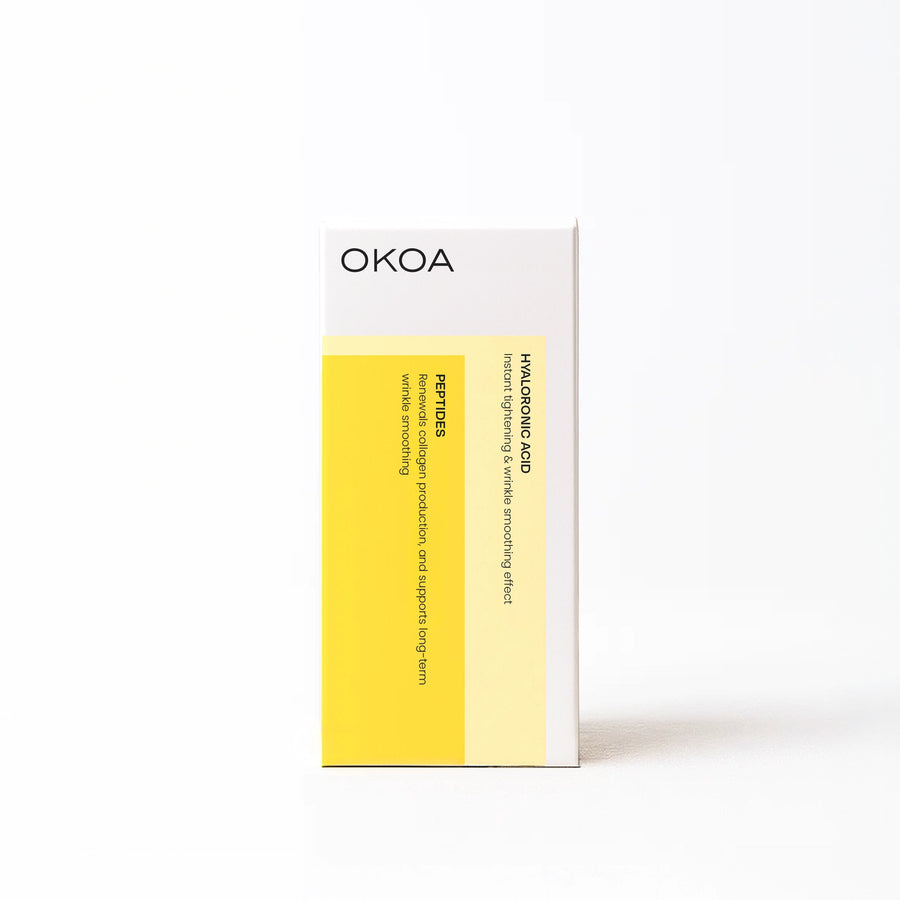
Okoaskin Dual Action Lifting Cream
The firming step before you consider a procedure
Powered by IDEALIFT (acetyl dipeptide-1 cetyl ester) peptide: an immediate smoother look plus firming that builds. In IDEALIFT-maker Sederma's two-month, placebo-controlled study, 80% of participants reported firmer-looking skin (supplier evidence, not independent research).
Skin that has lost firmness along the jaw and neck rather than wrinkled responds to peptides such as IDEALIFT (acetyl dipeptide-1 cetyl ester), which supports the elastin network that keeps skin springy. The Okoaskin Dual Action Lifting Cream is $44.88 on subscription ($61.90 one-time) with a 90-day money-back guarantee.
FAQ
What is the best anti aging cream for 50s if my skin is dry and sensitive?
Look for a richer cream built around barrier support rather than aggressive actives. Ceramides, hyaluronic acid, glycerin, and nourishing lipids are usually a better fit than strong exfoliants or frequent retinoid use. If you want anti-aging support as well, peptides can be a good next step because they are often easier to tolerate.
Do anti-aging creams actually work for wrinkles in your 50s?
They can improve the appearance of fine lines, texture, and mild firmness changes, especially when they include retinoids, peptides, and strong barrier support. They are less effective for deep wrinkles and structural sagging. In other words, yes, they can work, but only within the limits of what topical skincare can realistically do.
Reviewing the best lifting creams gives a baseline for what topical care can realistically support.
What ingredients should I look for in the best anti aging night cream for 50s?
The most useful night cream ingredients usually include retinoids for wrinkle-focused care, peptides for gradual firmness support, and barrier-supporting ingredients like ceramides, hyaluronic acid, and nourishing oils. The best formula is one your skin can tolerate consistently. If you are new to retinoids or have sensitive skin, start slowly and keep your nighttime routine simple.
What is the Okoaskin Dual Action Lifting Cream and what is in it?
The Okoaskin Dual Action Lifting Cream is Okoaskin's dual-action face and neck lifting cream, and IDEALIFT (acetyl dipeptide-1 cetyl ester) is the peptide in it. 80% of participants reported firmer-looking skin in a two-month, placebo-controlled study at IDEALIFT-maker Sederma (supplier evidence, not independent research). The Okoaskin Dual Action Lifting Cream is $44.88 on subscription and $61.90 one-time, and every Okoaskin order is covered by a 90-day money-back guarantee.
 Okoaskin Dual Action Lifting Cream · IDEALIFT
$44.88 $61.90
Shop now
Okoaskin Dual Action Lifting Cream · IDEALIFT
$44.88 $61.90
Shop now
Read more
✓ Expert ReviewedExpert reviewed by Lindi Grace, R&D Cosmetic ChemistLast updated July 12, 2026 Best All-Rounder for 40s Skin Firmer, more lifted skin in your 40s Th...
Firming Pick for Your 60s Okoaskin Dual Action Lifting Cream Something visible now, firmness that builds The dual-action peptide route: visible smoothing without the ret...