
Best Ingredients For Skin Hydration
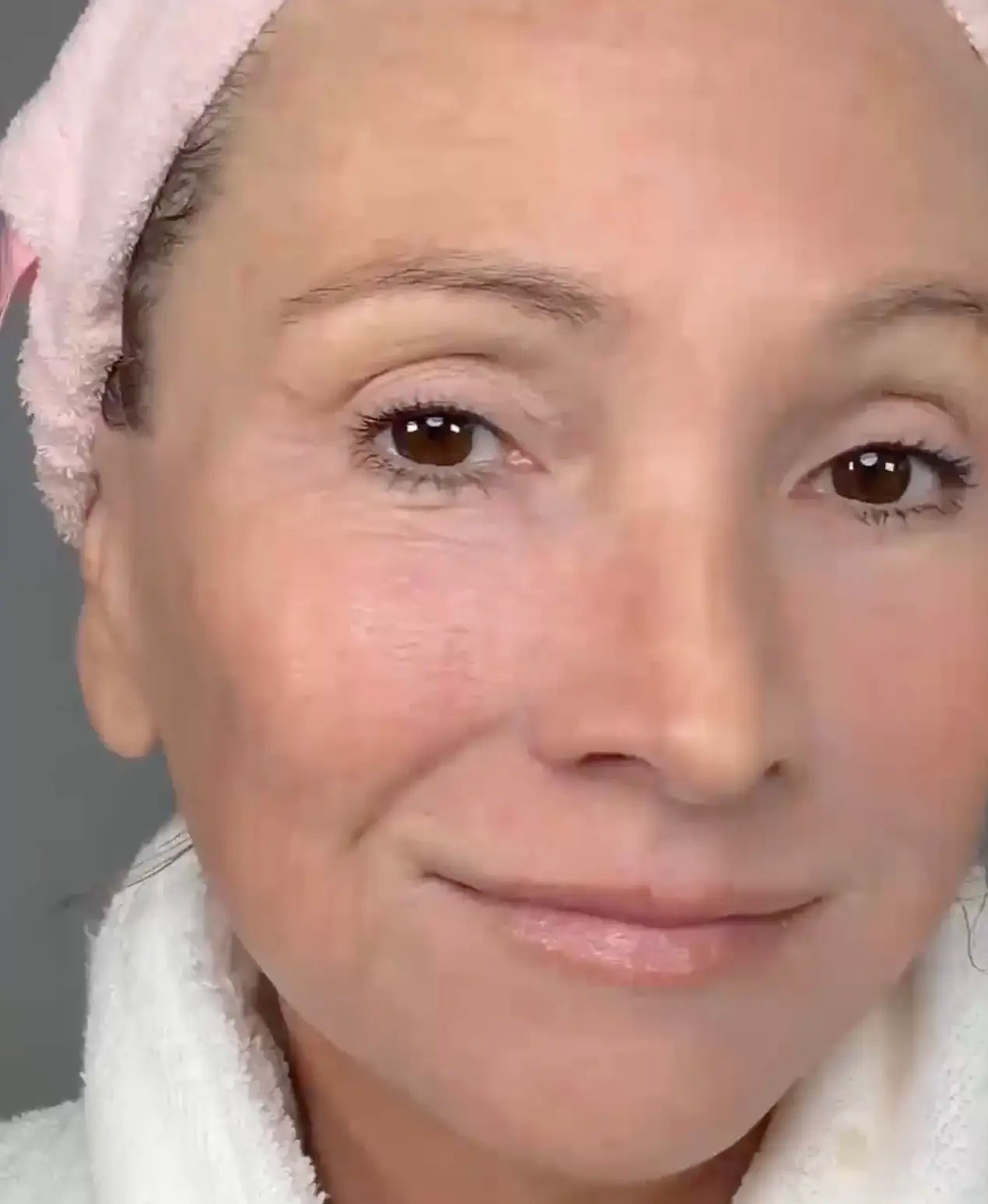
Most hydration advice online follows the same pattern: pick a trendy ingredient, build a product story around it, and repeat.
That is not especially helpful if your skin still feels tight by midday, looks dull no matter what you apply, or seems both dry and easily irritated.
The better framework is simpler. Skin hydration is not about finding one perfect ingredient.
It is about understanding what different ingredients actually do, then using combinations that solve the right problem.
Dry Skin vs Dehydrated Skin
Dry skin lacks oil. Dehydrated skin lacks water.
You can have one without the other, but many people have both at the same time. That is why skin can feel rough and flaky in some areas, yet still look tired and tight in a way that changes from day to day.
Dehydration often shows up as tightness after cleansing, dullness, temporary fine lines, and a more visible crepey texture.
Dry skin tends to feel consistently low in comfort because it does not produce enough oil to soften and protect the surface.
The Four Categories That Matter
The best ingredients for skin hydration usually fall into four groups:
-
Humectants draw water into the outer layers of skin
-
Emollients soften and smooth the skin surface
-
Occlusives help reduce water loss
-
Barrier-support ingredients help skin retain moisture more effectively over time
This framework is more useful than a simple ingredient list. A hydrating serum may make skin feel plumper for an hour or two.
But if there is nothing in the routine to support the barrier or reduce water loss, that improvement often fades quickly.
Best Humectants for Skin Hydration
Humectants are where most hydration conversations begin, for good reason.
They are the ingredients most associated with immediate surface plumping. Used on slightly damp skin and followed with a moisturizer, they can make skin feel more comfortable fairly quickly.
But humectants alone are often not enough for persistent dryness. Water still needs to be held in.
Hyaluronic Acid and Glycerin
Hyaluronic acid is the most recognized hydration ingredient. It is a humectant that helps bind water and can make skin look temporarily smoother and fuller.
It does not structurally firm skin or rebuild support deeper down. Its strength is surface hydration.
Glycerin is less glamorous, but often more quietly effective. It is one of the most reliable humectants in moisturizers and cleansers, with a long track record in skincare.
If a product hydrates well and keeps skin comfortable, glycerin is often part of the reason.
Panthenol and Urea
Panthenol, also known as provitamin B5, helps attract moisture while supporting skin comfort. It is especially useful in formulas for dry or reactive skin because it hydrates without feeling aggressive.
Urea deserves more attention than it usually gets. It is part of the skin's natural moisturizing factor and helps with water retention.
In lower concentrations it is an excellent hydrating ingredient. In higher concentrations it can also help soften rough texture, making it a strong option for dry and flaky skin.
Beta-Glucan and Aloe Vera
Beta-glucan is worth knowing if you are looking for alternatives to hyaluronic acid. It is a humectant with soothing qualities, and it comes up often in Korean skincare discussions for good reason.
Many people with easily irritated skin find it comfortable to use.
Aloe vera can support hydration, especially in lighter formulas. It is best understood as a soothing and water-based support ingredient rather than a complete solution for very dry skin.
If your skin barrier is compromised or your dryness is persistent, aloe alone usually will not be enough.
Where Polyglutamic Acid Fits
Polyglutamic acid has gained attention because of the claim that it is "4 times more hydrating than hyaluronic acid."
That kind of statement is better read as marketing shorthand than settled scientific fact.
Polyglutamic acid does appear to be a promising humectant. But real-world hydration depends far more on the full formula and what you layer over it than on a headline comparison between two isolated ingredients.
Best thought of as another useful humectant option, not a proven replacement for hyaluronic acid.
Best Emollients for Skin Hydration
Emollients soften and smooth the skin surface. They work alongside humectants to improve the feel and texture of skin, and they help the barrier hold moisture more effectively.
Ceramides help support the skin barrier and make it easier for skin to hold onto moisture over time. They are especially helpful when dehydration comes with tightness, sensitivity, or visible roughness.
Squalane is a lightweight emollient that softens skin without feeling heavy. It is a good fit for people who want hydration support but dislike rich lifting creams.
Shea butter is richer and more protective. For very dry skin, winter weather, or nighttime use, that richness is an advantage.
For oilier or combination skin, it may feel better as an evening step than a daytime one.
Best Occlusives for Skin Hydration
Occlusives do not hydrate skin on their own. Their job is to seal in what is already underneath by reducing water loss from the surface.
Petrolatum is one of the most effective ingredients for reducing transepidermal water loss. It is not glamorous, but it works.
That is also the answer to a common question: how do you hydrate skin overnight?
Layer a humectant onto slightly damp skin, follow with a moisturizer, then use a richer occlusive if your skin needs more protection. That combination often gives the fastest visible improvement by morning.
If your skin is combination or clog-prone, you may not need a heavy occlusive every night. But for very dry skin or cold weather, the sealing step can make a visible difference.
Barrier Support Ingredients
Hydration is not only about adding water. It is also about improving the conditions that let skin retain water in the first place.
This matters especially for skin that feels dehydrated even after moisturizing, or that becomes tight and sensitive quickly.
Ceramides and Niacinamide
Ceramides belong here again because they support barrier function directly and help reduce moisture loss over time.
Niacinamide is useful when dehydration overlaps with sensitivity, uneven tone, or a weakened barrier. It helps support barrier function and is generally well tolerated in balanced formulas.
Natural Moisturizing Factors
Natural moisturizing factors, or NMF, are not one single ingredient. They are a group of water-binding components naturally present in skin, including amino acids, lactic acid, and urea.
When skincare refers to NMF, it is usually pointing to ingredients that help mimic or support this built-in hydration system.
What Combinations Work Best
The most effective routines usually combine categories. A few pairings that work especially well:
-
Humectant + ceramide moisturizer for daily dehydration support
-
Humectant + squalane for combination skin that still feels tight
-
Humectant + emollient + occlusive for overnight dryness or winter skin
-
Glycerin or hyaluronic acid + ceramides or niacinamide for dryness with sensitivity
If you are wondering what hydrates skin the fastest, it is usually not one hero ingredient. It is a damp-skin humectant followed quickly by a moisturizer that seals it in.
Here is a simple way to compare the main categories:
|
Ingredient |
Main role |
Best use case |
|
Hyaluronic acid |
Humectant that binds water |
Temporary plumping, dehydration, lightweight routines |
|
Glycerin |
Reliable humectant |
Everyday hydration, most skin types |
|
Panthenol |
Humectant and comfort support |
Dry, reactive, or tight-feeling skin |
|
Urea |
NMF-related humectant |
Dry, rough, flaky skin |
|
Beta-glucan |
Humectant with soothing support |
Sensitive or irritation-prone skin |
|
Aloe vera |
Light hydration and soothing |
Mild dehydration, lightweight gel textures |
|
Ceramides |
Barrier support and moisture retention |
Dryness, sensitivity, barrier repair |
|
Squalane |
Lightweight emollient |
Softness without a heavy finish |
|
Shea butter |
Rich emollient |
Very dry skin, nighttime use |
|
Petrolatum |
Occlusive that reduces water loss |
Overnight sealing, severe dryness, cold weather |
What Hydrating Ingredients Can and Cannot Do
Hydrating ingredients can do quite a lot when the issue is surface-level dehydration.
They can improve comfort, smooth roughness, reduce the look of fine dehydration lines, and make dull skin look healthier.
Hydration helps most with:
-
tightness
-
surface roughness
-
temporary dullness
-
dehydration-related fine lines
-
skin that looks more crepey because it is dry at the surface
Hydration can absolutely make crepey skin look better temporarily. But it does not rebuild deeper structural support on its own.
For deeper wrinkles, significant laxity, or persistent inflammation, hydration is supportive rather than sufficient.
What Strips Skin Instead
Usually the problem is not one villain ingredient. It is a routine that strips without replenishing.
The most common issues are:
-
harsh or overly foaming cleansers
-
high-alcohol formulas that leave skin tight
-
over-exfoliation with acids or retinoids used too aggressively
-
layering too many actives on already compromised skin
If your skin feels tight but dislikes rich textures, start with glycerin or hyaluronic acid plus a ceramide moisturizer.
If it feels rough, flaky, and persistently dry, look for urea, ceramides, shea butter, or a richer overnight seal.
If it is dehydrated and sensitive, simpler formulas with panthenol, beta-glucan, ceramides, and niacinamide often make more sense than stacking multiple strong actives.
FAQ
What are the best ingredients for skin hydration?
The best ingredients usually come from more than one category. Strong options include hyaluronic acid, glycerin, panthenol, urea, ceramides, squalane, shea butter, petrolatum, beta-glucan, and niacinamide.
In practice, the best results come from combining a humectant with a moisturizer that supports the barrier.
What hydrates skin the fastest?
The fastest visible improvement usually comes from applying a humectant to slightly damp skin, then following with a moisturizer right away.
If skin is very dry, adding an occlusive layer at night can improve comfort and smoothness by morning.
Is glycerin or hyaluronic acid better?
Neither is universally better. Hyaluronic acid gives a quick plumping effect, while glycerin is one of the most dependable humectants in everyday skincare.
Many well-formulated products use both. If you want a simple answer, glycerin is often the quieter workhorse.
What is 4 times more hydrating than hyaluronic acid?
This usually refers to polyglutamic acid. The claim is marketing-heavy, and there is not a simple real-world rule that it performs four times better on skin.
Polyglutamic acid may be a useful humectant, but formula quality and routine design matter more than the headline comparison.
Can dehydration make skin look crepey?
Yes. Dehydration can make fine lines and crepey texture look more obvious because the skin surface lacks water.
Hydrating ingredients can improve that appearance, sometimes quickly, but they do not treat deeper structural changes on their own.
What should you not mix with hyaluronic acid?
There is no major ingredient category you should never mix with hyaluronic acid. It generally layers well with other skincare ingredients.
The real concern is using too many irritating actives at once on skin that is already dry or sensitive.
Read more

Hyaluronic acid and sodium hyaluronate sound like two different things - and in a chemistry lab, they are. In your skincare routine, the difference is smaller than most brands want you to believe. ...

Learn what green tea actually does for your skin, beyond the hype.See how it helps with acne, redness, oil, and early aging (with realistic results).Plus, when it works best and when stronger ingre...