


Last updated October 26, 2026
Hyaluronic acid benefits for skin and how to use it
Hyaluronic acid helps your skin hold water. As a humectant, it attracts and binds water in the upper layers of the skin, which makes skin look plumper and smoother and feel more comfortable, often within days of starting it. It is also something your body already makes, and more than half of all the hyaluronic acid in the body is found in the skin, where levels fall with age.
The best way to use it is on slightly damp skin, under a moisturizer that seals the water in, and alongside an ingredient that works on firmness. On its own, hyaluronic acid improves hydration and the look of fine lines caused by dryness; paired with a peptide or a retinoid, it becomes part of a routine that also works on firmness over time. The best face moisturizers seal that hydration in by pairing a humectant such as glycerin or hyaluronic acid with an ingredient that holds the water in.
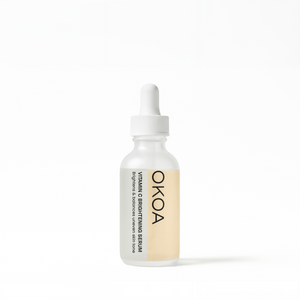 Vitamin C Brightening Serum$44.90Shop now
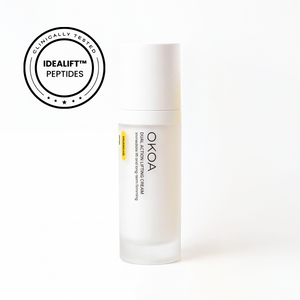 Dual Action Lifting Cream$61.90 or $44.88/moShop now
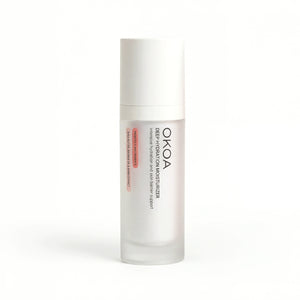 Deep Hydration Moisturizer$29.90 or $24.91/moShop now
The benefits of hyaluronic acid for skin
The main benefits are better hydration, a softer and more supple feel, temporary surface plumping, and more comfort for dry or dehydrated skin. A review of topical hyaluronic acid links it to improved skin hydration and the look of fine lines and skin quality, which is why it appears in so many anti-aging formulas.
Hydration and plumping
When the surface of the skin holds more water, it looks fuller and smoother, and fine lines caused by dehydration soften. This is the quickest benefit, and you can often see it after the first few uses.
Comfort and barrier support
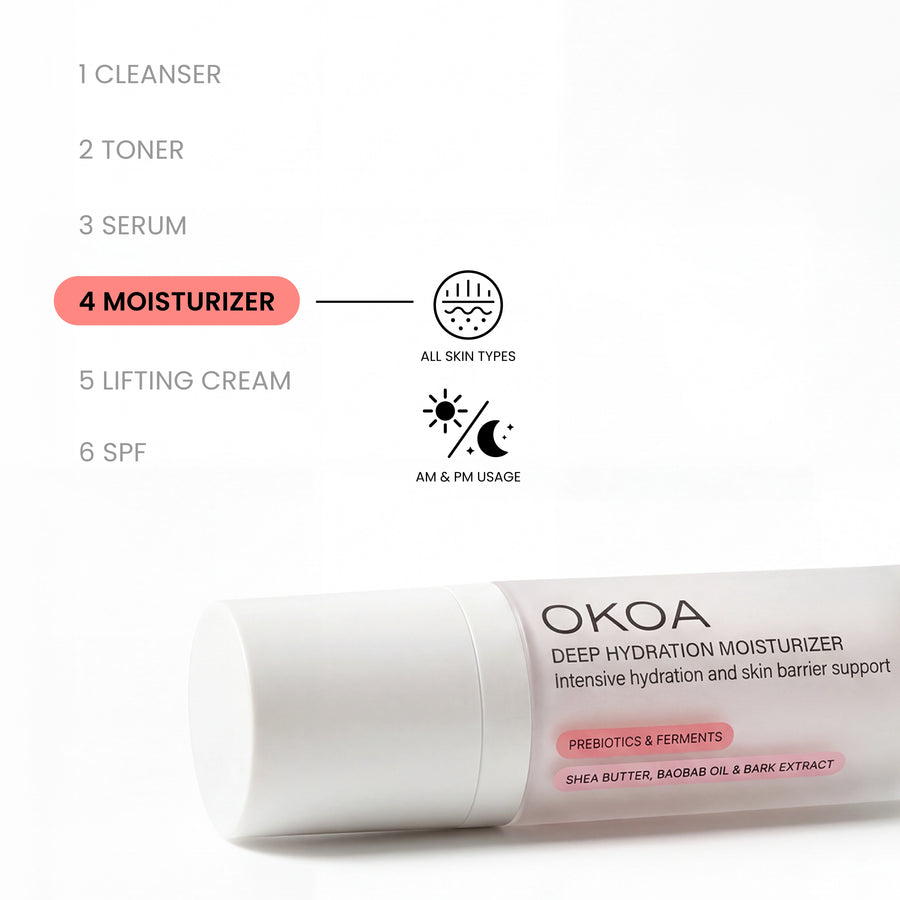
Well-hydrated skin feels less tight after cleansing, more flexible through the day and less easily irritated by dry air or a busy routine. Hyaluronic acid supports that comfort best when a moisturizer with nourishing lipids sits on top of it.
Who benefits most
Dehydrated skin, mature skin, sensitive skin and skin stressed by retinoids or exfoliating acids benefit most. Oily and combination skin can benefit too, because dryness and dehydration are different things: dry skin lacks oil, dehydrated skin lacks water, and you can have shiny skin that still feels tight.
How hyaluronic acid works in skin
Hyaluronic acid is a glycosaminoglycan, a long sugar chain that sits in the space between skin cells. Its structure lets it bind large amounts of water, which is how it keeps skin plump and supple from the inside. Skin holds most of it in the dermis, the deeper layer, with a smaller amount in the epidermis at the surface.
Aging changes where it sits. Hyaluronic acid loss starts in your mid-20s, and the most dramatic change is that it disappears from the epidermis, which loses the main molecule it uses to hold water. Sun exposure adds to it by reducing how much the dermis makes. The molecules also get shorter with age, and shorter chains hold less water.
Hyaluronic acid also turns over fast: in the skin it is broken down in less than a day. That is why topical hyaluronic acid works on a daily rhythm. It tops up hydration while you use it, and the effect fades within days of stopping.
The forms of hyaluronic acid
Not all hyaluronic acid is the same. The biggest difference is molecule size, measured in kilodaltons (kDa), because size decides how far it travels into the skin and what it does there. High molecular weight hyaluronic acid stays on the surface and forms a thin hydration layer that slows water loss. Low molecular weight hyaluronic acid can pass the outer layer and reach deeper into the skin. In a trial of 65 women with wrinkles around the eyes, 0.1% sodium hyaluronate in five sizes improved hydration and elasticity against placebo after 60 days, and the two smallest sizes also reduced wrinkle depth.
Formulas that combine several sizes cover both jobs, surface hydration and deeper reach. Sodium hyaluronate, the salt form, dissolves more easily in water-based formulas and comes in a wide range of molecular sizes, so in hyaluronic acid vs sodium hyaluronate the molecular weight matters more than the name.
What hyaluronic acid can and cannot do
Hyaluronic acid works on hydration, so its results are fast and depend on keeping skin hydrated. It softens the look of fine dehydration lines, but deeper wrinkles and sagging come from collagen loss and repeated movement, and those need a firming ingredient such as a peptide or a retinoid, plus daily sunscreen.
That is why the strongest anti-aging formulas pair the two. Hyaluronic acid gives the quick, smoother look; the firming ingredient does the slower work underneath. It is also how we built our firming cream, as you will see below.
How to use hyaluronic acid
Apply a hyaluronic acid serum to clean, slightly damp skin, then follow with a moisturizer. The damp skin gives the humectant water to hold, and the moisturizer slows how fast that water evaporates. Without the second step, hyaluronic acid can feel tight in very dry air, which is the most common reason people think it is not working.
What to look for in a hyaluronic acid product
The full formula matters more than the headline ingredient. Look for hyaluronic acid paired with other humectants such as glycerin and with nourishing lipids that keep water in. A formula that combines more than one molecule size covers both surface hydration and deeper reach.
Hyaluronic acid in the morning vs at night
Use it morning and night if you can, because it works on a daily rhythm and each application tops up hydration. Each time of day gives it a slightly different job.
Combining hyaluronic acid with other ingredients
Hyaluronic acid combines well with almost everything, which is one reason it is in so many routines. It pairs naturally with vitamin C in the morning, and a serum that contains both covers two steps in one. Niacinamide layers on top of it with no conflict. With retinol, use hyaluronic acid on the same night to offset the dryness: apply the retinoid, then the hyaluronic acid, then moisturizer, or buffer with moisturizer first if your skin is sensitive.
After exfoliating acids such as glycolic or salicylic acid, hyaluronic acid helps put hydration back, so keep it in the routine on acid nights and skip any extra actives. With peptides, the two do different jobs: hyaluronic acid hydrates the surface quickly, and the peptide works on firmness over weeks. Finish with a moisturizer that has humectants and nourishing lipids, which keeps the water hyaluronic acid draws in from evaporating, and with sunscreen last in the morning.
How OKOA uses hyaluronic acid
Hyaluronic acid shows up in two of our products, each doing a different job. Our vitamin C serum pairs L-ascorbic acid with high molecular weight hyaluronic acid, acerola cherry ferment and green tea extract. Apply a few drops to clean, damp skin in the morning, before your moisturizer, and it gives you vitamin C and a hydration step in one.
OKOA's Dual Action Lifting Cream pairs sodium hyaluronate and glycerin with a firming peptide, which is the pairing described above. The hydrators handle the quick, smoother look, a tightening film smooths the skin within minutes, and 4% IDEALIFT (acetyl dipeptide-1 cetyl ester), a peptide from Sederma (Croda Beauty), works on firmness over the following weeks. In Sederma's two-month, placebo-controlled study of IDEALIFT at the same 4% level, 26 women with a mean age of 62 saw the jowl area measure 11.3% more lifted, and over 80% reported firmer-looking skin, supplier research on the ingredient rather than an independent trial of the finished cream. That study is reported in Sederma's IDEALIFT technical bulletin, and the ingredient is listed on Croda Beauty's IDEALIFT page. It is a firming cream for the face and neck, it contains fragrance, so patch test first if your skin reacts easily, and it comes with a 90-day money-back guarantee.
Hyaluronic acid side effects
Hyaluronic acid is usually well tolerated, and side effects are mild. Skin can feel sticky, tight or less hydrated than expected, usually because the serum went on dry skin or without a moisturizer on top. Irritation, when it happens, more often comes from the rest of the formula, such as fragrance or a high alcohol content, or from layering too many actives at once.
If your skin stings or flakes, look at the whole routine before blaming the hyaluronic acid. A hydrating serum cannot make up for over-exfoliation or a damaged barrier, so pull back on strong actives and keep the moisturizer step.
How long does hyaluronic acid take to work?
Hydration shows within days, sometimes after the first use: skin looks smoother, feels less tight and looks less dull. Firming is a different timeline and comes from a firming ingredient used consistently for 8 to 12 weeks. For more on how the sodium salt behaves in formulas, see what sodium hyaluronate is.
Dual Action Lifting Cream$61.90 or $44.88/moShop now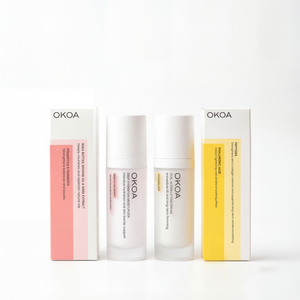 Hydrate & Lift set$81.90 for bothShop nowVitamin C Brightening Serum$44.90Shop now
FAQ
What does hyaluronic acid do for your skin?
It helps skin hold water. As a humectant, hyaluronic acid attracts and binds water in the upper layers of the skin, which makes skin look plumper and smoother, softens fine dehydration lines and makes skin feel more comfortable, often within days.
Should I use hyaluronic acid in the morning or at night?
Either, and many people use it twice a day. In the morning it helps skin feel comfortable under sunscreen and makeup; at night it replenishes hydration after cleansing or a retinoid. Apply it to damp skin and follow with a moisturizer either way.
How do you use hyaluronic acid correctly?
Apply it to clean, slightly damp skin, then a moisturizer to seal the water in. It goes after cleansing and before thicker creams, and in the morning sunscreen goes on last.
Does hyaluronic acid have side effects?
It is usually well tolerated. Some people find it sticky or tight, usually when it goes on dry skin without a moisturizer. Irritation more often comes from other ingredients in the formula, such as fragrance or alcohol, than from the hyaluronic acid itself.
Which form of hyaluronic acid is best?
It depends on the job. High molecular weight hyaluronic acid stays on the surface and forms a hydration layer, while low molecular weight hyaluronic acid reaches deeper; in one trial the smallest sizes also reduced wrinkle depth. A formula with more than one size covers both.
Can I use hyaluronic acid with retinol or vitamin C?
Yes, with both. Use it with vitamin C in the morning, before moisturizer. Use it with retinol at night, after the retinoid, to offset the dryness retinoids can cause.
Does hyaluronic acid firm skin?
Not on its own. It hydrates and plumps the surface, which softens the look of fine lines. For firming, pair it with a peptide or retinoid; our Dual Action Lifting Cream combines sodium hyaluronate with the firming peptide IDEALIFT.