


Last updated October 26, 2026
What changed
- Rewrote the guide around what each ingredient does.
- Added a quick table of ingredients by job.
- Updated the routine and the moisturizer details to match the product page.
- Reviewed with our R&D cosmetic chemist for accuracy.
The best ingredients for dry skin are glycerin to pull water in, ceramides or the fatty acids in shea butter and plant oils to hold it there, and petrolatum or dimethicone to stop it escaping. A moisturizer that does all three usually beats one built around a single trendy ingredient.
Dry skin is short on the oils and lipids that keep water in, so the fix is less about adding water and more about keeping it.
What is dry skin and why do ingredients matter so much?
Dry skin is skin that does not make or hold enough of its own lipids, the ceramides, cholesterol and fatty acids that act like mortar between skin cells. With less mortar, water leaks out faster, and you feel it as tightness, flaking and that rough, papery texture after washing.
That is why a thin gel often disappoints. It adds water for an hour and does nothing about the leak. What helps is a formula that adds water and patches the barrier.
Dry or dehydrated?
They get mixed up all the time. Dry skin is low on oil and lipids. Dehydrated skin is low on water, and even oily skin can be dehydrated. If your skin feels tight but still gets shiny by lunch, think dehydration and reach for a humectant. If it flakes, feels rough and never gets shiny, it is dry, and it needs richer barrier support. Plenty of people have both.
Why it happens
The usual causes of dry skin are boringly familiar: cold air, low humidity, long hot showers, foaming cleansers, and too many acids or retinoids at once. Age plays a part too, since oil production and barrier repair slow down over time. Eczema and dermatitis can look like plain dryness, which is worth keeping in mind if nothing seems to help.
The best ingredients for dry skin by the job they do
Think in jobs, not hero ingredients. A good dry-skin moisturizer covers at least the first three rows of this table. Among the nine best face moisturizers we compared, the rich creams for dry skin build on emollients and occlusives such as shea butter, plant oils or petrolatum.
Glycerin is the unglamorous winner
Glycerin will never trend on social media, and it is still the ingredient we would pick first. It is cheap, well studied and pulls water into the skin in almost any climate. If it sits in the top five on an ingredient list, the formula is off to a good start.
Hyaluronic acid works with one catch
Hyaluronic acid and its salt, sodium hyaluronate, hold water in the upper layers of the skin and soften dehydration lines. The catch is that in dry air it needs a cream on top, or skin can end up feeling tighter. In hyaluronic acid vs sodium hyaluronate, the salt form dissolves more easily in water-based formulas, and on skin both pull water into the surface layers.
Ceramides and cholesterol plus fatty acids
These three are what your barrier is made of, so putting them back is the closest thing to a repair job a cream can do. Ceramides get the headlines, but the fatty acids in shea butter and plant oils do part of the same work. For skin that stays tight all day, this group matters more than anything else on the label. Dryness also makes neck skin look older: a crepey neck comes from a mix of collagen loss, dehydration, sun exposure and a weaker skin barrier.
Petrolatum and dimethicone
Petrolatum is the most effective occlusive there is, and the reason a thin layer on cracked knuckles or heels works overnight. It feels heavy on the face, so many people keep it for night or for the driest spots. Dimethicone does a lighter version of the same job and disappears into most creams.
Emollients and soothing ingredients
Squalane, shea butter and plant oils make rough skin feel smoother straight away. They are the comfort layer while the slower barrier work happens. If your dryness stings, colloidal oatmeal, panthenol and niacinamide help calm it down.
Natural ingredients are fine but not magic
Shea butter, baobab oil, oat, aloe and jojoba all help dry skin. Natural still does not mean gentle: essential oils and some plant extracts are common irritants. Judge an ingredient by what it does, not by how botanical it sounds.
Which ingredients suit your kind of dry skin?
Dry face: glycerin, ceramides, squalane and niacinamide, in a cream rather than a gel. Skip heavily fragranced face oils; they feel lovely and often sting.
Very dry or mature skin: go richer. Shea butter, ceramides and a little petrolatum at night make the biggest difference. That mix suits mature skin, since older skin needs both hydration and sealing: it loses water faster and repairs more slowly.
Dry and sensitive: fewer ingredients, no fragrance. Ceramides, colloidal oatmeal, panthenol and petrolatum. Pause acids and strong retinoids until your skin stops stinging.
Dry but breakout-prone: richer does not automatically mean clogged pores. Glycerin, niacinamide, ceramides and a lighter cream with dimethicone give support without heaviness.
Only dry in winter: switch to a thicker cream when the heating goes on, and add a balm on the worst patches. If you are dry all year, look at your cleanser and your actives before you buy another moisturizer.
How to read an ingredient list in ten seconds
Look for a humectant such as glycerin near the top, then something from the lipid or emollient rows of the table above. Then scan for the things that make dry skin worse: denatured alcohol high on the list, strong fragrance, and essential oils in the first few ingredients. That is enough to rule most products in or out.
What makes dry skin worse?
Most dry skin gets worse from habits, not from one bad ingredient. The repeat offenders:
- washing more than once a day, or with hot water
- foaming cleansers with harsh surfactants
- scrubbing off flakes that are really a sign of a damaged barrier
- stacking retinol, acids and vitamin C before your skin is ready
- putting moisturizer on bone-dry skin instead of slightly damp skin
Do you have to avoid all fragrance, alcohol and acids? No. Plenty of dry skin handles a little of each. The question is whether your skin can handle them right now. If it stings when you apply plain moisturizer, strip the routine back until it stops.
A simple routine for dry skin
Morning:
- Rinse with water, or use a gentle cream cleanser if you need one.
- A hydrating serum if you like one.
- Moisturizer on slightly damp skin.
- Sunscreen.
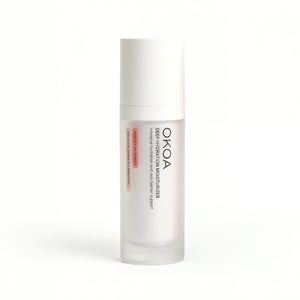
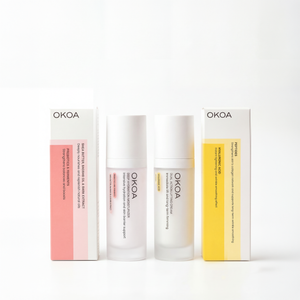
For the moisturizer step, the Okoaskin Deep Hydration Moisturizer puts glycerin fourth on its label, then shea butter, baobab oil and avocado oil, and lists no fragrance on its ingredient list. Patch test first if your skin reacts easily.
Night:
- Gentle cleanse.
- Any treatment your skin tolerates, a few nights a week.
- A richer moisturizer.
- A thin layer of balm or petrolatum on the driest spots.
How long until it helps?
Comfort comes fast, often the same day. The barrier takes longer, usually a few weeks of steady use before skin stops feeling tight between applications. Remember that moisturizers work by adding water and sealing it in, so the effect fades if you stop.
When to see a dermatologist
See a doctor if your skin cracks and bleeds, if there is a rash, swelling or signs of infection, if your eyelids are involved, or if a simple routine has not helped after a few weeks. Eczema and dermatitis often need more than a moisturizer.
Frequently asked questions
What are the best ingredients for dry skin on the face?
Glycerin, ceramides, squalane, niacinamide and panthenol, in a cream rather than a gel. For very dry or sensitive skin, add colloidal oatmeal or a little petrolatum at night.
What are the worst ingredients for dry skin?
Denatured alcohol high on the list, strong fragrance, essential oils, harsh foaming surfactants and too many exfoliating acids. A small amount in a good formula is often fine; the dose and how often you use it matter.
Is hyaluronic acid or glycerin better for dry skin?
Glycerin, for most people. It works in more climates and costs less. Hyaluronic acid is a good extra, as long as you put a cream on top.
What should I look for in the best ingredients for dry skin moisturizer?
A humectant such as glycerin near the top of the list, barrier lipids from ceramides or butters and oils such as shea, and, for very dry patches, an occlusive such as petrolatum or dimethicone.
Can natural oils really help dry skin, or are they not enough on their own?
They help by softening skin, but on their own they do not add water. They work best in a cream that also has a humectant such as glycerin.
How do I know if I have dry skin or dehydrated skin?
Dry skin flakes, feels rough and rarely gets shiny. Dehydrated skin feels tight but can still get oily. Many people have both, and a cream with a humectant plus barrier lipids covers both.
Read more
Learn the real difference between hyaluronic acid and sodium hyaluronate, how they hydrate skin, what labels mean, and how to choose the right formula.
✓ Expert Reviewed Written ByAshley MangtaniContent Writer Reviewed ByLindi GraceR&D Cosmetic Chemist Last updated October 25, 2026 What Argireline does for skin and how to use it A...