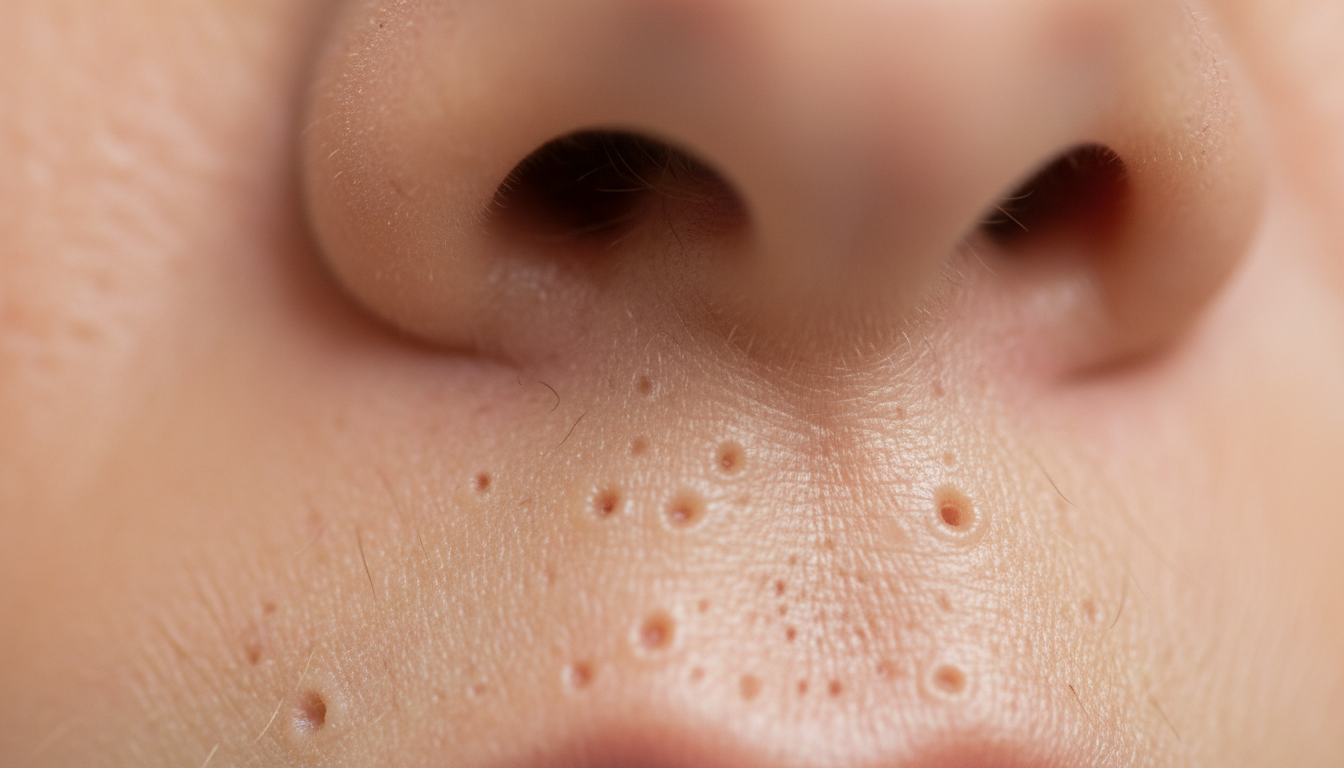
How to Choose the Best Vegan Moisturizer for Your Skin Type
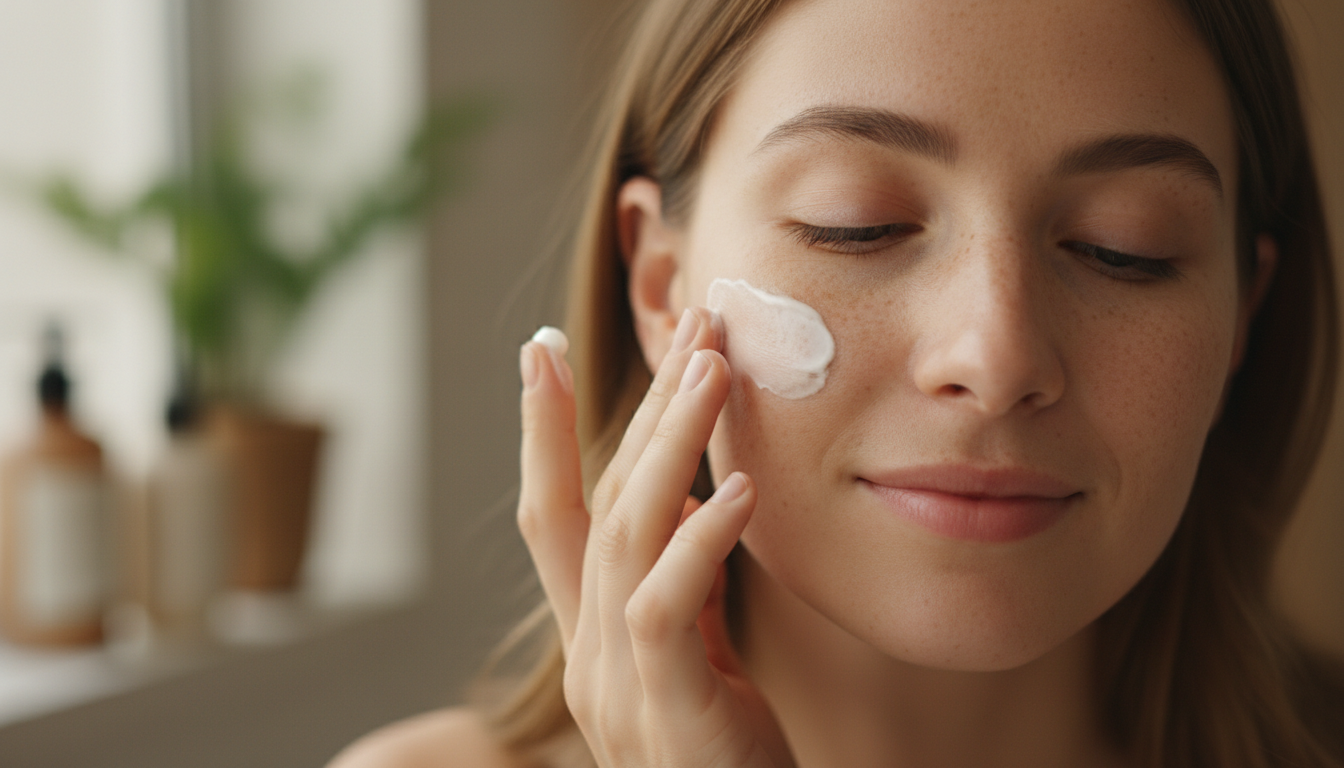
What a vegan moisturizer actually is and why the label can be confusing
A vegan moisturizer is a moisturizer made without animal-derived ingredients.
That sounds simple, but the label gets messy fast. Vegan does not mean cruelty-free, natural, organic, fragrance-free, or automatically better for sensitive skin.
This is where many shoppers get pulled off course. A product can be vegan and still contain strong fragrance, irritating essential oils, or a texture that is wrong for your skin type. It can also be non-vegan and still be well formulated. The label tells you one thing only: where the ingredients did not come from.
The more useful question is this: does the formula match your skin's actual needs?
A vegan moisturizer is only helpful if it also suits your barrier, your oil level, your sensitivity, and the way you like products to feel on the skin.
Vegan vs cruelty-free vs vegetarian skincare
These terms overlap, but they are not interchangeable.
Vegan skincare means the formula contains no animal-derived ingredients.
Cruelty-free usually means the finished product was not tested on animals. Depending on the certifier, this may also apply to ingredients, but standards vary.
Vegetarian skincare may still include animal-derived ingredients that do not require killing the animal, such as beeswax or milk proteins.
In practice, a moisturizer can be:
- Vegan and cruelty-free
- Cruelty-free but not vegan because it contains beeswax or lanolin
- Vegetarian but not vegan because it includes honey or milk-derived ingredients
That is why front-label claims are not enough on their own.
Common animal-derived ingredients found in moisturizers
If you are trying to avoid animal-derived ingredients, these are some of the most common ones to watch for:
- Beeswax
- Lanolin
- Collagen
- Elastin
- Milk proteins
- Silk amino acids
- Carmine
- Snail secretion filtrate
- Some forms of squalene
Squalane deserves a quick note. It can be plant-derived, often from olives or sugarcane, but some forms have historically been sourced from animals. If a brand does not specify the source, it is reasonable to check.
Do you need a vegan moisturizer for face care, or just a better formula?
It is worth addressing the skepticism directly: vegan does not automatically mean gentler, cleaner, safer, or more effective.
A moisturizer works by helping reduce transepidermal water loss, supporting barrier function, and improving the appearance and feel of dry or rough skin. According to clinical guidance from sources such as the Cleveland Clinic, healthy skin barrier function matters because it helps skin hold water and better tolerate environmental stress.
So the real job of a moisturizer is not to be virtuous. It is to help your skin stay comfortable, hydrated, and better supported.
It also helps to set the ceiling early. Even the best vegan moisturizer will not replace sunscreen, treat structural sagging, or work like an in-office procedure.
What moisturizers can improve
A well-formulated moisturizer can improve:
- Hydration
- Surface smoothness
- Temporary plumping from water retention
- Barrier support
- Comfort in dry, tight, or reactive skin
Those benefits are real. They are also mostly cosmetic and supportive, which is exactly where a moisturizer should sit.
What moisturizers cannot do
A moisturizer cannot:
- Fix deeper skin laxity
- Permanently erase wrinkles
- Replace daily sunscreen
- Compensate for an inconsistent routine
If a product claims otherwise, the marketing is doing more work than the formula.
Can you use the same face cream on your neck
Often, yes.
If your face moisturizer is gentle, fragrance-free or low in fragrance, and not overloaded with strong actives, it can usually be used on the neck as well.
The exceptions are practical ones. The neck tends to be more reactive than the face. If a cream contains strong exfoliants, retinoids, or a heavy fragrance profile, it may feel fine on facial skin but irritate the neck. In those cases, a neck-friendly formula with more barrier support and a calmer ingredient profile may be the better fit.
How to choose the best vegan moisturizer for your skin type
The most useful way to shop is by skin type, not by trend category.
That means thinking about texture, humectants, occlusives, barrier-support ingredients, and fragrance level before you get distracted by words like clean, botanical, or glow.
A simpler framework works better: match the formula to what your skin is missing.
Vegan moisturizer for dry skin
Dry skin usually needs more than light hydration.
Look for richer creams with humectants such as glycerin and hyaluronic acid, plus ceramides, fatty acids, and nourishing plant oils. These help pull in water, soften roughness, and slow moisture loss.
If your skin feels tight after cleansing or flakes around the cheeks and mouth, a lightweight gel is often not enough.
Vegan moisturizer for oily or combination skin
Oily skin still needs moisture.
The goal is usually balanced hydration in a lighter texture, such as a lotion or gel-cream. Look for formulas that support the barrier without leaving a heavy film. Glycerin, hyaluronic acid, niacinamide, and plant-derived squalane can work well here.
Do not assume oily skin should skip moisturizer. A stripped barrier can make skin feel worse, not better.
Vegan moisturizer for sensitive skin
Sensitive skin usually benefits from restraint.
Look for fragrance-free or low-irritant formulas with fewer actives and strong barrier support. Ceramides, glycerin, squalane, aloe vera, and simple emollients tend to be easier starting points than heavily fragranced plant blends.
Patch testing is still worth doing. Vegan ingredients can irritate skin too.
Vegan moisturizer for mature or visibly aging skin
Mature skin often needs both hydration and support.
That usually means a formula that combines humectants with ceramides, antioxidants, peptides, and soothing botanicals. The goal is not to "reverse aging." It is to improve comfort, softness, and the visible look of dryness, dullness, and mild laxity over time.
Ingredients that matter more than the vegan label
Once the ethics box is checked, formulation quality matters more.
A moisturizer performs based on its ingredient mix and how those ingredients work together. In broad terms, the most useful groups are:
- Humectants to attract water
- Emollients to soften and smooth
- Occlusives to reduce water loss
- Barrier lipids to support the skin barrier
- Peptides for gradual supportive benefits
- Antioxidants for environmental stress support
Not every useful ingredient is vegan by default, which is why label reading still matters.
Best ingredients to look for in a vegan moisturizer
A strong vegan moisturizer often includes some combination of:
- Glycerin for hydration
- Hyaluronic acid for water-binding support
- Ceramides for barrier support
- Plant-derived squalane for lightweight emollience
- Peptides for gradual firmness support
- Niacinamide for barrier and tone support
- Antioxidants to help defend against oxidative stress
- Aloe vera for soothing hydration
- Supportive botanical oils for softness and comfort
No single ingredient guarantees a good product. The formula still has to be balanced.
Ingredients to approach carefully if your skin is reactive
If your skin stings or flushes easily, approach these with more caution:
- Strong fragrance
- Essential oils
- Heavily active formulas
- High-acid blends used in leave-on creams
A product does not become gentle just because it is vegan or plant-based.
How to read a label without getting overwhelmed
Keep the scan simple.
Start with the texture base. Is it a gel, lotion, or cream?
Then check for barrier-support ingredients like glycerin, ceramides, squalane, fatty acids, niacinamide, or peptides.
After that, look for likely irritants near the end, such as fragrance or essential oils.
Only then should you pay attention to the marketing claims.
How to build a routine around a vegan moisturizer and when product differences matter
A moisturizer works best inside a simple routine.
For most people, that means cleanser, treatment if needed, moisturizer, and daily SPF.
You do not need a complicated shelf to get good results. You need consistency and a formula that your skin actually likes.
Morning vs night: do you need two moisturizers
Not always.
One good moisturizer is often enough for both morning and night. But there are cases where two textures make sense. Dry or mature skin may prefer a richer cream in the evening. Oily skin may want a lighter daytime lotion that layers more comfortably under sunscreen.
The difference is about comfort and finish, not skincare status.
When a vegan moisturizer with peptides makes sense
A peptide moisturizer makes sense when you want hydration plus gradual visible support for firmness.
This is often relevant for readers who do not tolerate retinoids well, or who want a simpler routine with fewer separate steps. Peptides are generally better tolerated than stronger active categories, though results are more gradual and still depend on consistent use.
Where Okoa fits if your goal is hydration plus visible firmness support
If your main goal is hydration plus visible firmness support, Okoa's Dual Action Lifting Cream is worth considering for a specific use case.
It is positioned for women 35+ who want one cream that combines an immediate visible lift with longer-term support. Okoa describes this as an IDEALIFT dual-action formula with immediate visible lift, a surface-level Botox effect, and long-term transformation through peptide activity.
The formula also includes ceramides, antioxidants, Aloe Vera, and Baobab, which fits the reader who wants barrier support and a more nourishing texture in the same product.
There is a fair limitation to note. As a newer brand, Okoa has less long-term independently published clinical history than some legacy competitors. The brand's 90-day money-back guarantee is how it reduces that risk more honestly.
Buy it if you want one moisturizer that leans into both hydration and visible lifting support, and that use case matches what your skin is asking for.
Consider another option if you want a very basic budget moisturizer, a lighter gel texture, or a formula from a brand with a longer third-party track record.
How to tell if your vegan moisturizer is working
A good moisturizer should make your skin feel better, not just look impressive on the label.
Hydration benefits can show up quickly. Supportive changes from peptides or antioxidants take longer.
Results you may notice quickly
Within days, you may notice:
- Less tightness after cleansing
- Smoother-feeling skin
- Fewer flaky patches
- Better makeup wear
- A more comfortable, less rough skin surface
That is what hydration-driven improvement usually looks like.
Results that take longer
Barrier recovery and the visible effects of peptides or antioxidant support usually need several weeks of consistent use.
This is where patience matters. A product that supports firmness or overall skin quality is not likely to declare itself in three days.
When to switch formulas
Give a moisturizer a practical review window of about two to four weeks unless it is clearly irritating from the start.
Switch sooner if you notice persistent stinging, congestion, greasy residue that never settles, worsening dryness, or no meaningful improvement with consistent use.
In many cases, changing the texture, fragrance level, or barrier-support profile makes more sense than simply applying more product.
FAQ
What is the difference between a vegan moisturizer and a cruelty-free moisturizer?
A vegan moisturizer contains no animal-derived ingredients. A cruelty-free moisturizer refers to animal testing standards. A product can be cruelty-free without being vegan if it contains ingredients like beeswax or lanolin.
What should I look for in a vegan moisturizer for dry skin?
Look for a richer cream with glycerin, hyaluronic acid, ceramides, fatty acids, and supportive plant oils. Dry skin usually needs both water-binding ingredients and a texture that helps reduce moisture loss.
Is a vegan moisturizer for oily skin actually necessary?
If you want a vegan routine, yes, but the more important point is that oily skin still needs moisturizer. A lighter lotion or gel-cream can help support the barrier without feeling heavy.
Can a vegan moisturizer for face help with fine lines?
It can help improve the appearance of fine lines by hydrating the skin and smoothing the surface. Some formulas with peptides and antioxidants may also support gradual visible improvement. It will not permanently erase wrinkles or replace sunscreen or procedures.
How do I know if a moisturizer is truly vegan?
Check for a clear vegan claim from the brand, then review the ingredient list for common animal-derived ingredients such as beeswax, lanolin, collagen, milk proteins, silk amino acids, and snail secretion. If an ingredient source is unclear, especially with squalane or specialty additives, ask the brand directly.